Mountain driving involves navigating steep inclines and declines, which can put extra strain on a vehicle’s brakes. Engine braking is a technique where the driver shifts to a lower gear, allowing the engine to slow the vehicle rather than relying solely on the brakes. This helps prevent brake overheating and maintains better control while descending steep slopes, making mountain driving safer and more manageable for drivers.
Mountain Driving and Engine Braking
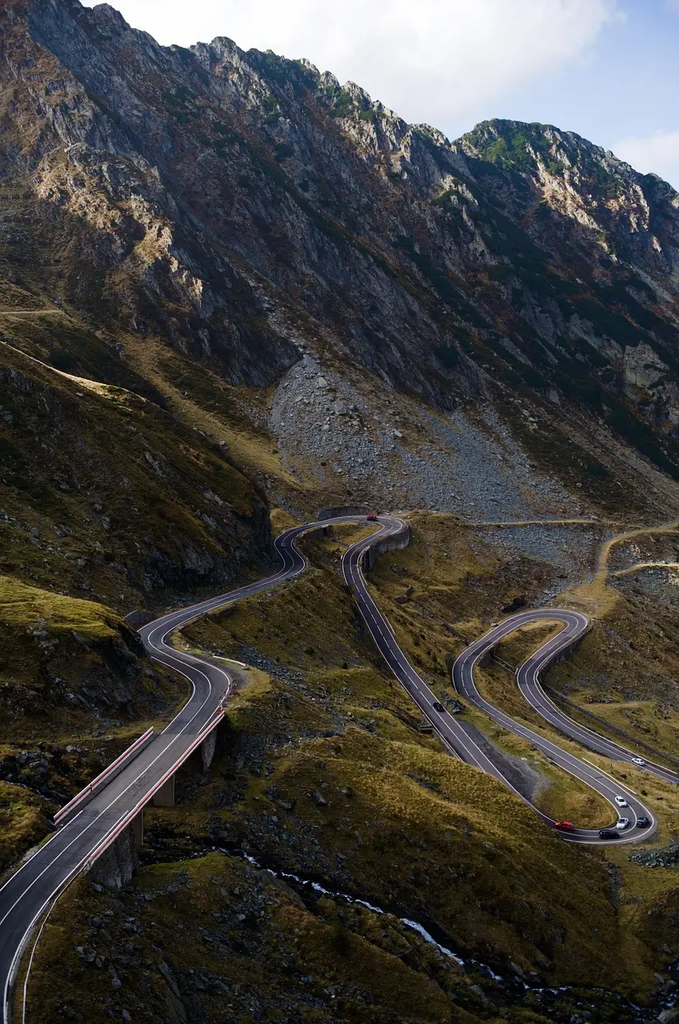
Mountain driving involves navigating steep inclines and declines, which can put extra strain on a vehicle’s brakes. Engine braking is a technique where the driver shifts to a lower gear, allowing the engine to slow the vehicle rather than relying solely on the brakes. This helps prevent brake overheating and maintains better control while descending steep slopes, making mountain driving safer and more manageable for drivers.
💡 Key Takeaways
- Understand how engine braking reduces brake wear and helps control speed on steep descents.
- Learn when and how to downshift to use engine braking effectively without over-revving.
- Differentiate between engine braking and regular braking, and know when each method is appropriate on mountain roads.
- Practice safe downshifting and speed management to prevent brake fade on long mountain descents.
❓ Frequently Asked Questions
What is engine braking?
Engine braking slows the vehicle by downshifting to a lower gear, using the engine's resistance instead of relying solely on the brakes.
Why is engine braking important on mountain descents?
Steep descents can overheat brakes. Engine braking reduces brake wear and helps maintain control by sharing slowing power with the engine.
How do you use engine braking on hills with manual and automatic transmissions?
Manual: downshift progressively to a lower gear before or during the descent to build engine resistance. Automatic: choose a lower gear or use a descent/mountain mode if available, and avoid riding the brakes.
What are best practices for safe mountain driving with engine braking?
Plan the descent, check brakes, downshift early, maintain a steady speed, keep a safe following distance, and combine gentle braking with engine braking.
How can you tell you’re using engine braking correctly?
The vehicle slows with less brake pedal use, the engine note rises slightly, and you avoid brake fade or excessive heat from overusing the brakes.