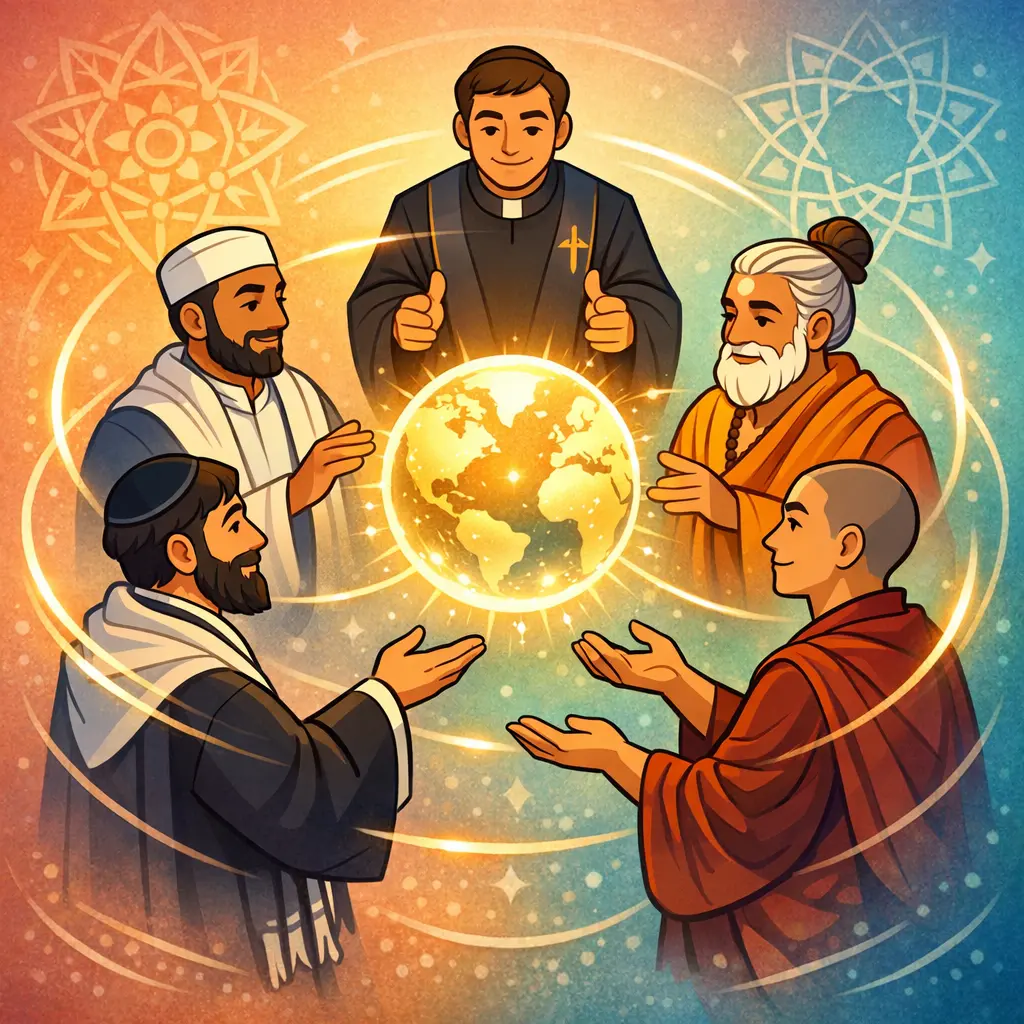
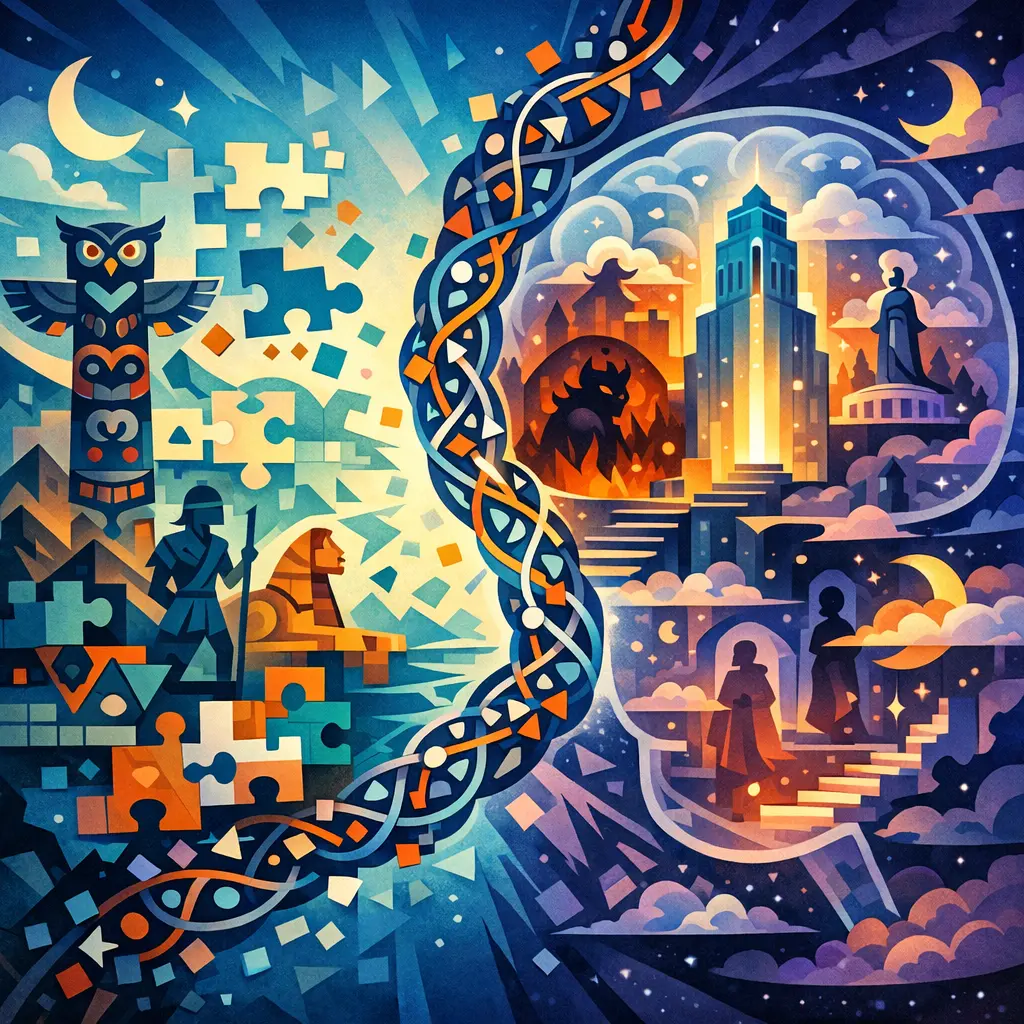
"Movement Legacies, Memory & Democratic Renewal" explores how social movements leave lasting impacts on societies by shaping collective memory, influencing cultural narratives, and fostering democratic values. This phrase emphasizes the interplay between historical activism, the ways societies remember and interpret these movements, and the potential for revitalizing democracy. It also highlights the roles of culture and religion in shaping societal responses, ensuring that past struggles inform present and future efforts toward social justice and democratic participation.
Movement Legacies, Memory & Democratic Renewal
"Movement Legacies, Memory & Democratic Renewal" explores how social movements leave lasting impacts on societies by shaping collective memory, influencing cultural narratives, and fostering democratic values. This phrase emphasizes the interplay between historical activism, the ways societies remember and interpret these movements, and the potential for revitalizing democracy. It also highlights the roles of culture and religion in shaping societal responses, ensuring that past struggles inform present and future efforts toward social justice and democratic participation.
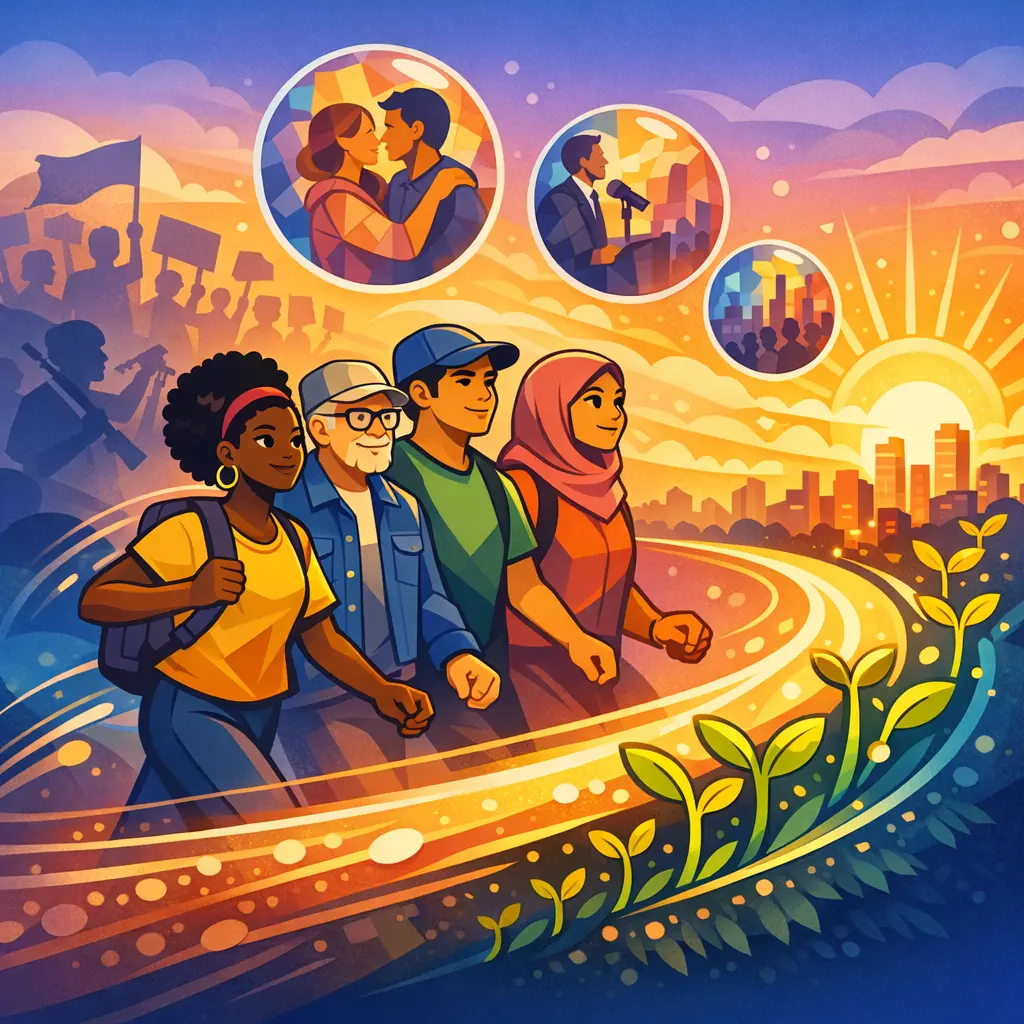
💡 Key Takeaways
- Understand how social movements leave lasting legacies in laws, policies, and cultural norms.
- Learn how collective memory shapes public discourse and democratic renewal.
- Analyze examples of movement-led reforms and their long-term impacts on governance and civic participation.
- Explore strategies for preserving diverse memories and critically evaluating memory narratives to support inclusive democracy.
❓ Frequently Asked Questions
What is meant by "movement legacies" in the context of democratic renewal?
Movement legacies are the lasting impacts of social and political movements—such as organizations, reforms, norms, and policies—that continue to shape governance, participation, and reform efforts.
How does memory influence democratic engagement?
Collective memory frames what is valued, who belongs, and what rights are worth defending. Shared memories can mobilize participation, while contested memories may require dialogue to reduce conflict.
What does "democratic renewal" involve?
Democratic renewal involves strengthening institutions, expanding inclusive participation, ensuring accountability and the rule of law, and pursuing reforms that make democracy more responsive and legitimate.
How can societies address conflicting memories to support renewal?
Through inclusive dialogue, truth-telling, diverse education, and responsible memorialization, plus mechanisms like transitional justice to acknowledge varied experiences and build common democratic norms.