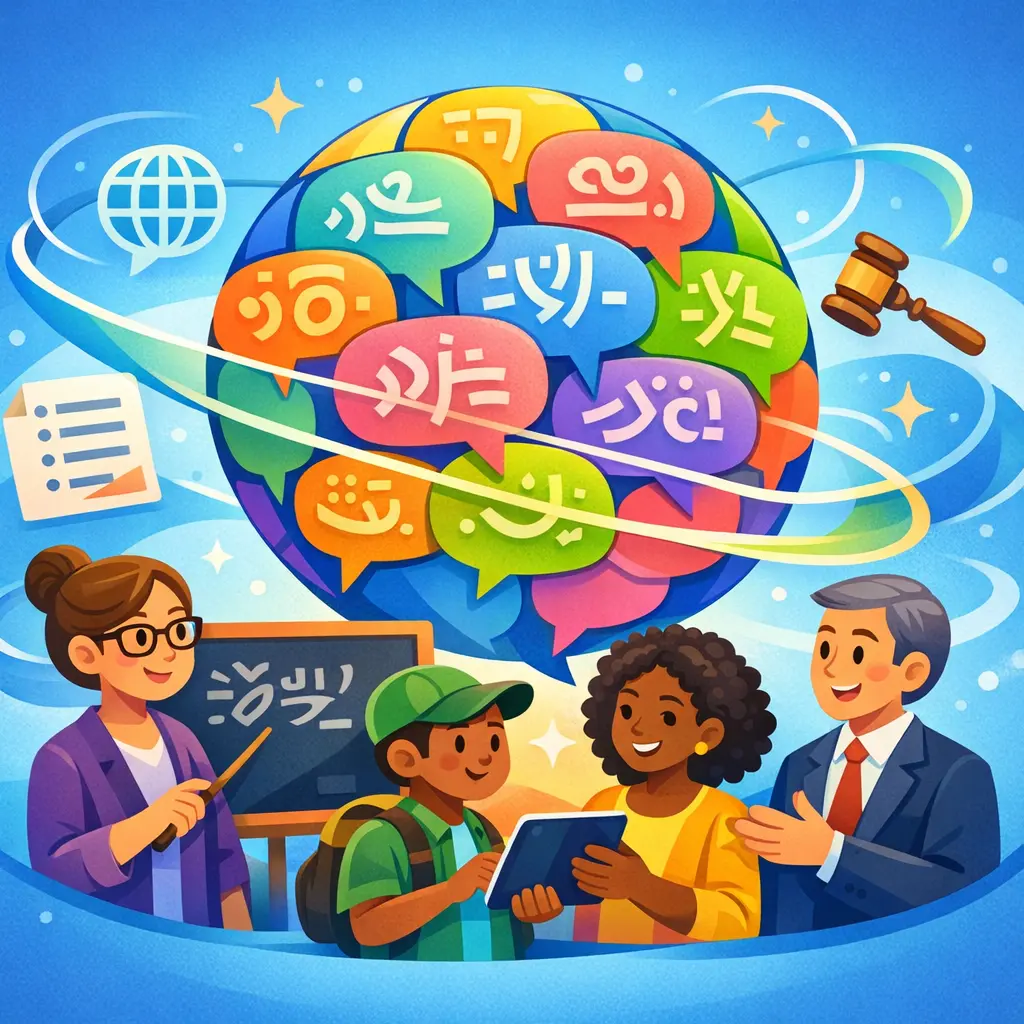
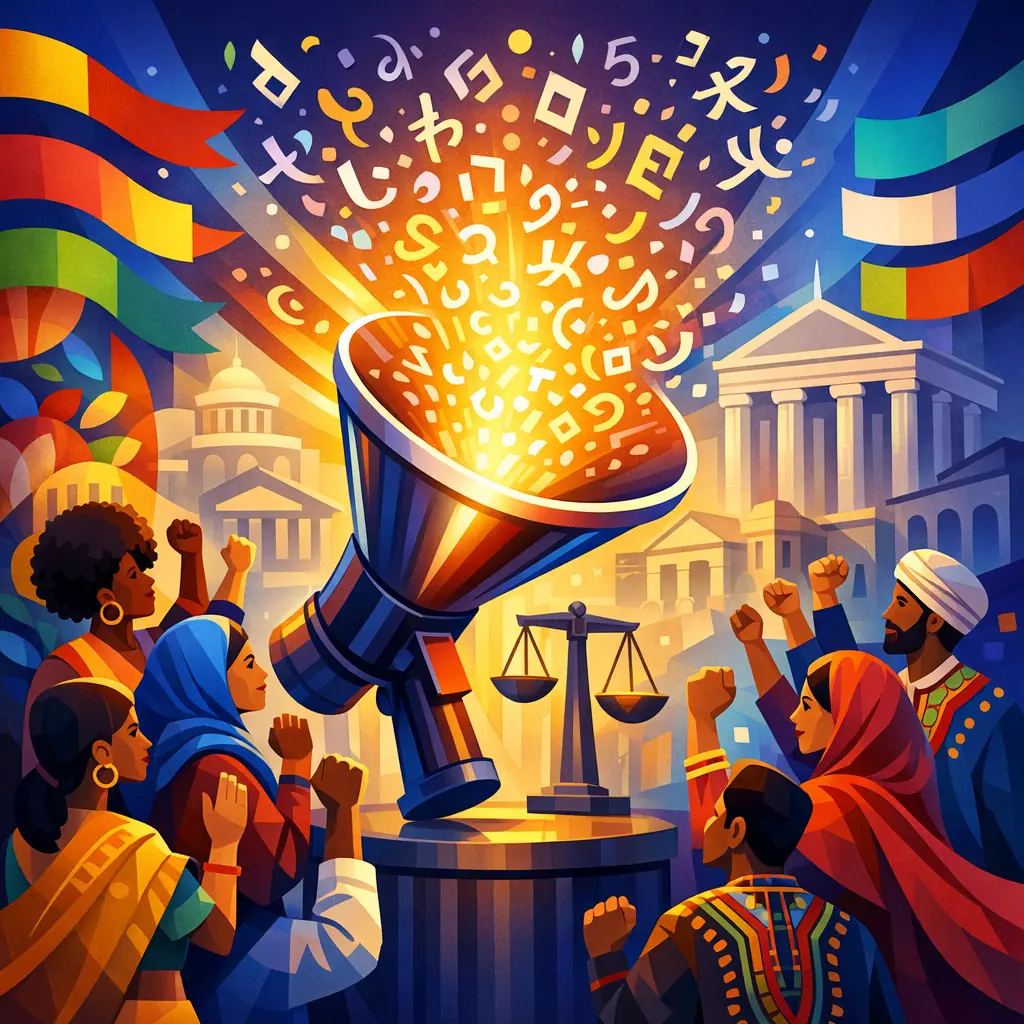
Movement-Party Dynamics & Policy Change (Culture, Religion & Society) refers to the interplay between social movements and political parties in shaping policies, especially those related to culture, religion, and societal norms. Social movements often push for change, influencing party agendas and legislative priorities. Political parties may adopt, resist, or adapt these demands, leading to policy shifts that reflect broader cultural and religious values, ultimately transforming societal structures and collective identities.
Movement-Party Dynamics & Policy Change
Movement-Party Dynamics & Policy Change (Culture, Religion & Society) refers to the interplay between social movements and political parties in shaping policies, especially those related to culture, religion, and societal norms. Social movements often push for change, influencing party agendas and legislative priorities. Political parties may adopt, resist, or adapt these demands, leading to policy shifts that reflect broader cultural and religious values, ultimately transforming societal structures and collective identities.
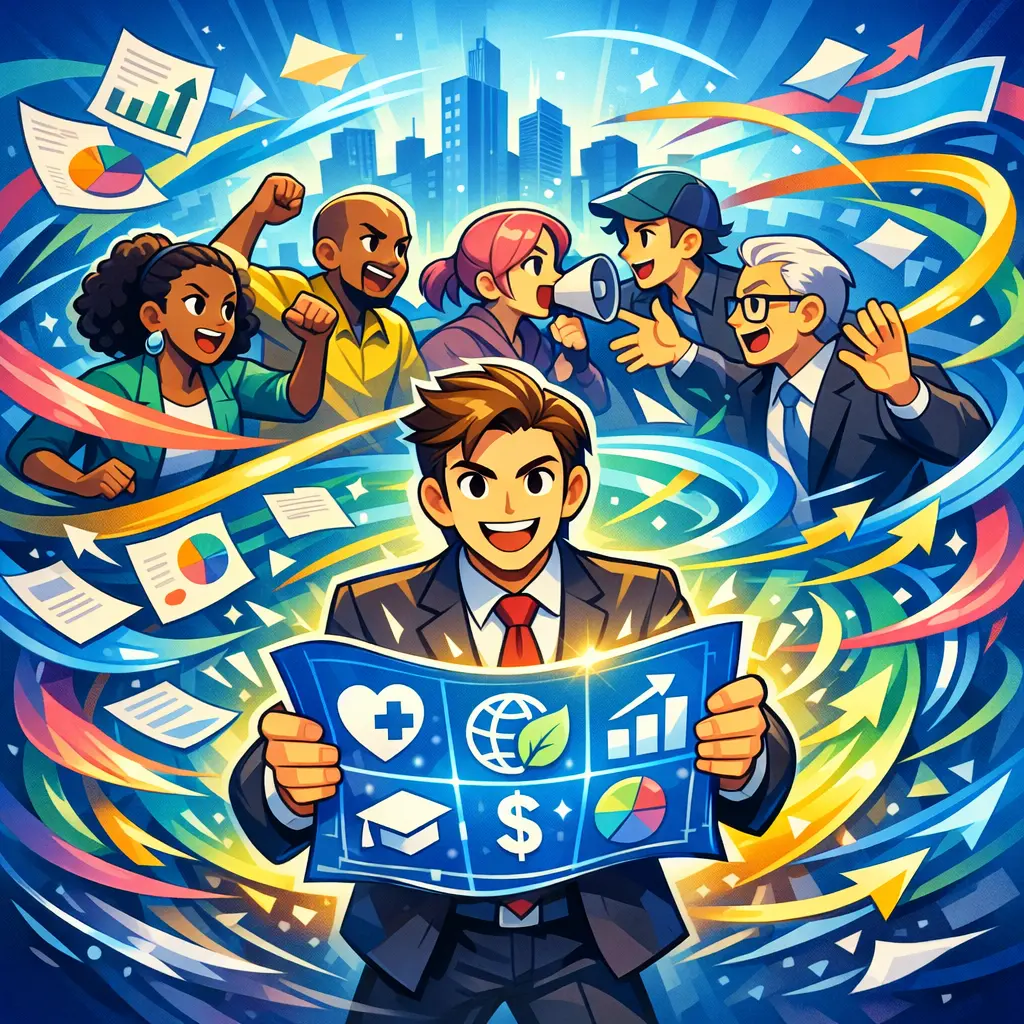
💡 Key Takeaways
- Understand how social movements interact with political parties to set and shift policy agendas.
- Learn the key mechanisms by which movements translate demands into policy change (agenda setting, framing, resource mobilization, and electoral pressure).
- Distinguish between movement-driven tactics (protests and lobbying) and party-aligned strategies, and assess their effectiveness for policy change.
- Recognize the role of political opportunities, institutions, and coalitions in enabling or constraining movement–party change.
- Analyze how policy outcomes feed back into movement strategy, influencing future party alignment and reform efforts.
❓ Frequently Asked Questions
What is the relationship between social movements and political parties in driving policy change?
Social movements mobilize people, frame grievances, and set public agendas; political parties seek electoral power to implement policies. Movements influence party platforms and policy debates, while parties translate demands into formal proposals when in government.
How can movements influence policy without winning elections?
By shaping public opinion, lobbying policymakers, organizing protests, and offering policy proposals that parties may adopt or adapt into their platforms.
What are common pathways for policy change through movement–party dynamics?
Policy change can occur when party platforms incorporate movement demands, governments implement reforms, or legal decisions align with movement goals. Movements also press for accountability and continued momentum.
What factors increase the likelihood that movement-driven demands become policy?
Favorable political opportunities (e.g., elections, power shifts), adequate organizational resources, effective framing that resonates broadly, strategic coalitions with sympathetic actors, and sustained mobilization.