Movie birth scenes often dramatize labor for emotional impact, frequently depicting sudden, intense pain and rapid deliveries. In reality, childbirth is usually a much longer process, with early labor often lasting hours or even days. Medical interventions, such as epidurals or C-sections, are common but rarely shown. Water breaking is less dramatic than portrayed, and immediate crying from newborns is not guaranteed. Films prioritize drama over medical accuracy.
Movie Birth Scenes: Fact vs Fiction
Movie birth scenes often dramatize labor for emotional impact, frequently depicting sudden, intense pain and rapid deliveries. In reality, childbirth is usually a much longer process, with early labor often lasting hours or even days. Medical interventions, such as epidurals or C-sections, are common but rarely shown. Water breaking is less dramatic than portrayed, and immediate crying from newborns is not guaranteed. Films prioritize drama over medical accuracy.
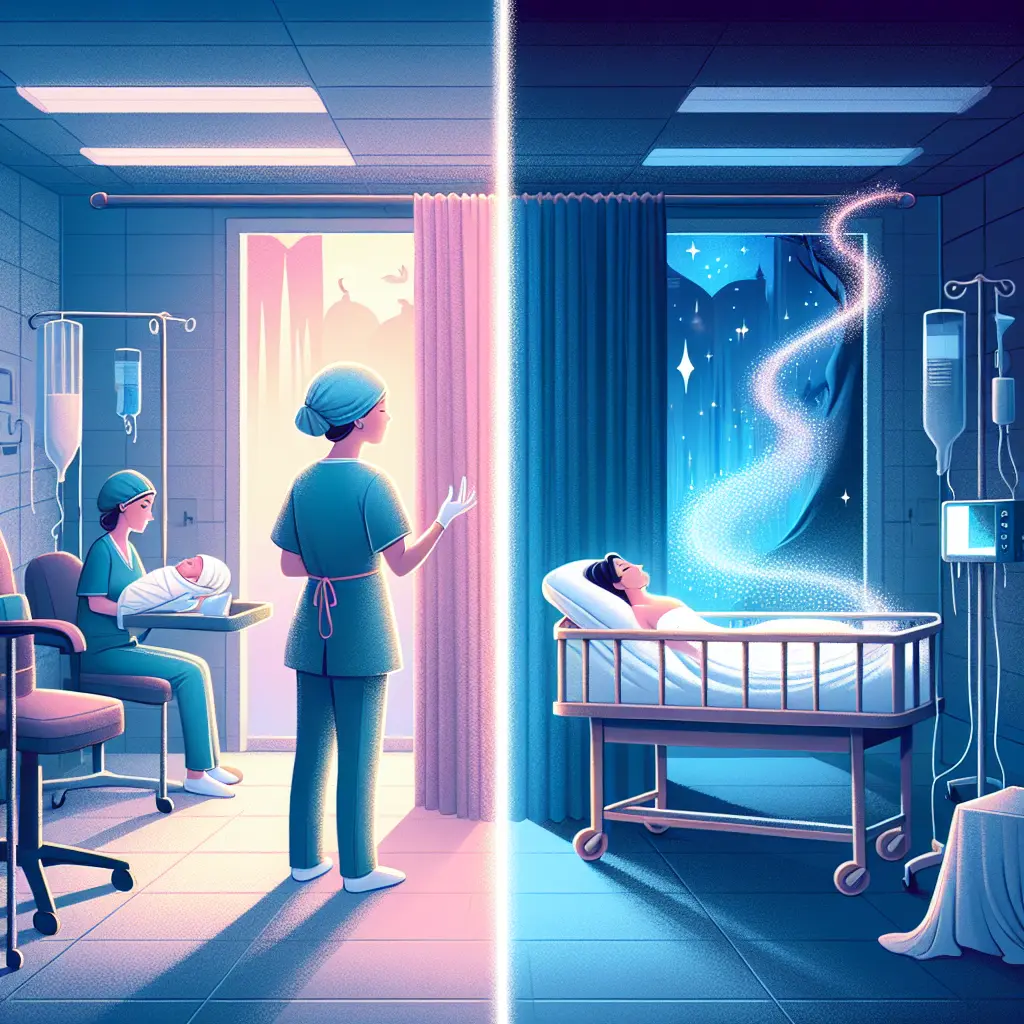
💡 Key Takeaways
- Recognize that movie birth scenes often exaggerate pain and speed compared to real labor.
- Learn the typical labor timeline: early labor, active labor, and delivery, with hours to days for early stages.
- Identify common interventions like epidurals and C-sections and understand why they might be used.
- Apply media literacy to films by differentiating fiction from fact when planning birth-themed baby shower or party games.
❓ Frequently Asked Questions
How do movie birth scenes differ from real childbirth?
Films often dramatize labor with sudden, intense pain and rapid delivery. Real childbirth is usually longer, multi-stage, and varies widely in duration and intensity.
What are early labor and active labor?
Early labor involves slower cervical dilation and milder contractions; active labor features stronger contractions and faster dilation toward delivery, with timings varying for each person.
Do epidurals or C-sections speed up birth in real life?
Epidurals relieve pain and are common, but don’t guarantee a faster birth. C-sections are used when vaginal delivery isn’t safe or possible and may be planned or emergency.
Why do movies often dramatize birth and skip long labor?
For pacing and emotional impact. Filmmakers focus on key moments to keep the story engaging, often omitting the lengthy, routine parts of labor.
How common are interventions in real births, and why?
Interventions are common and depend on circumstances. Pain relief and procedures like C-sections are used to manage safety and comfort as needed.