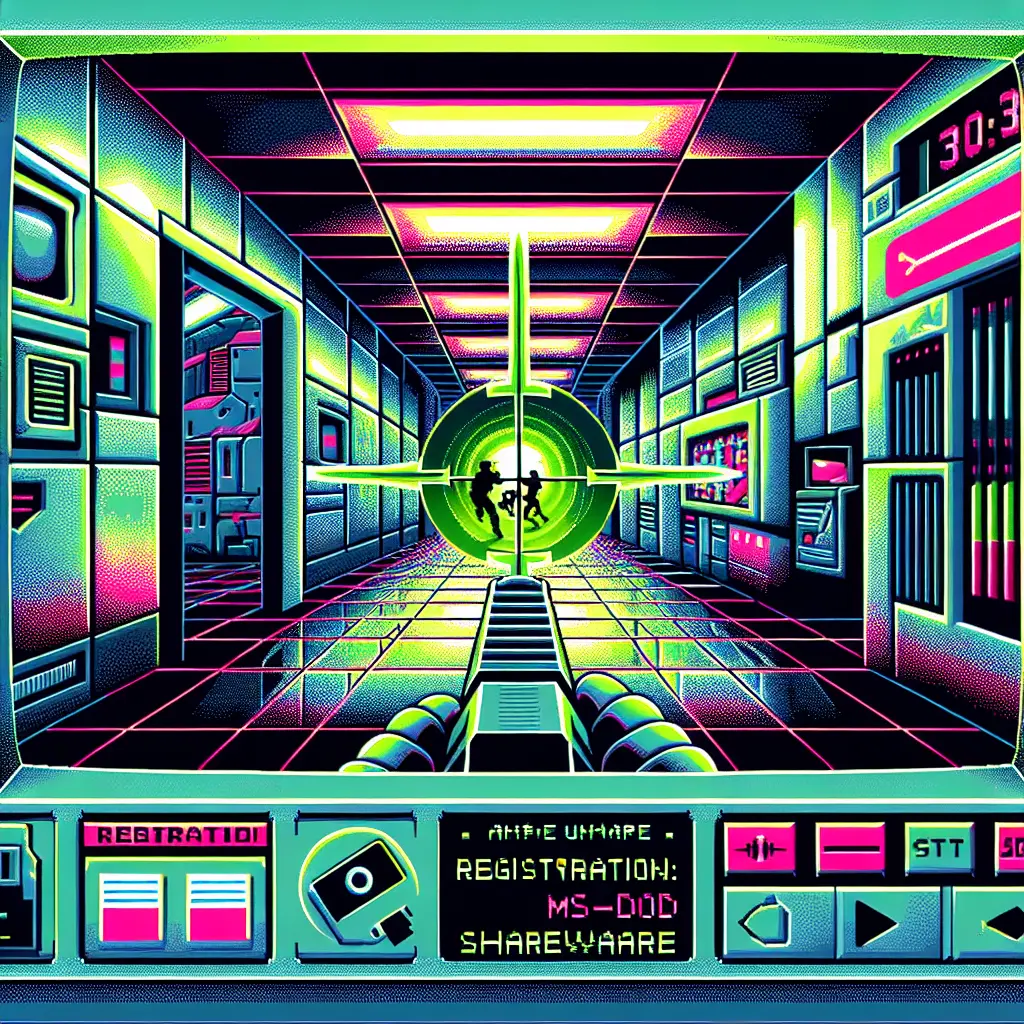
MS-DOS shareware refers to software distributed freely for trial under the MS-DOS operating system, popular in the late 1980s and early 1990s. Early first-person shooters (FPS) like "Wolfenstein 3D" and "Doom" often used this model, allowing players to access part of the game for free and encouraging them to purchase the full version. This approach helped spread groundbreaking FPS games and fostered a thriving PC gaming community.
MS-DOS Shareware & Early FPS
MS-DOS shareware refers to software distributed freely for trial under the MS-DOS operating system, popular in the late 1980s and early 1990s. Early first-person shooters (FPS) like "Wolfenstein 3D" and "Doom" often used this model, allowing players to access part of the game for free and encouraging them to purchase the full version. This approach helped spread groundbreaking FPS games and fostered a thriving PC gaming community.
💡 Key Takeaways
- Understand what MS-DOS shareware is and how it let players try software for free on late-1980s/early-1990s PCs.
- Explore how early FPS games used shareware demos to showcase gameplay and encourage players to buy the full game.
- Identify common shareware formats like level-limited or time-limited demos and how they affected the player experience.
- Compare the shareware model to modern game distribution, noting the shift toward paid full games, demos, and free-to-play approaches.
❓ Frequently Asked Questions
What is MS-DOS shareware?
MS-DOS shareware is a distribution model where a game could be tried for free in part of its content on the MS-DOS platform, with the full game available upon registration or purchase. It typically used limited demos or episodes.
How did the shareware approach work for early FPS games like Wolfenstein 3D and Doom?
Players could access a free demonstration or first episode to experience gameplay and graphics; to continue playing beyond the demo or access remaining levels, they would need to buy the full version.
Which classic games are known for using this model?
Wolfenstein 3D and Doom are prominent examples that used the shareware/demo approach to attract players.
What impact did MS-DOS shareware have on gaming culture and distribution?
It popularized trial versions and episodic releases, helped indie developers reach audiences before the internet, and influenced later digital distribution and marketing strategies.