Multi-camera production techniques involve using multiple cameras simultaneously to capture different angles and perspectives during a live event or studio recording. This approach is common in television, talk shows, sports, and live performances, allowing for seamless editing and dynamic storytelling. In creative careers and media, mastering these techniques is essential for producing visually engaging content, ensuring smooth transitions, and enhancing viewer experience through varied visual coverage and real-time direction.
Multi-camera Production Techniques
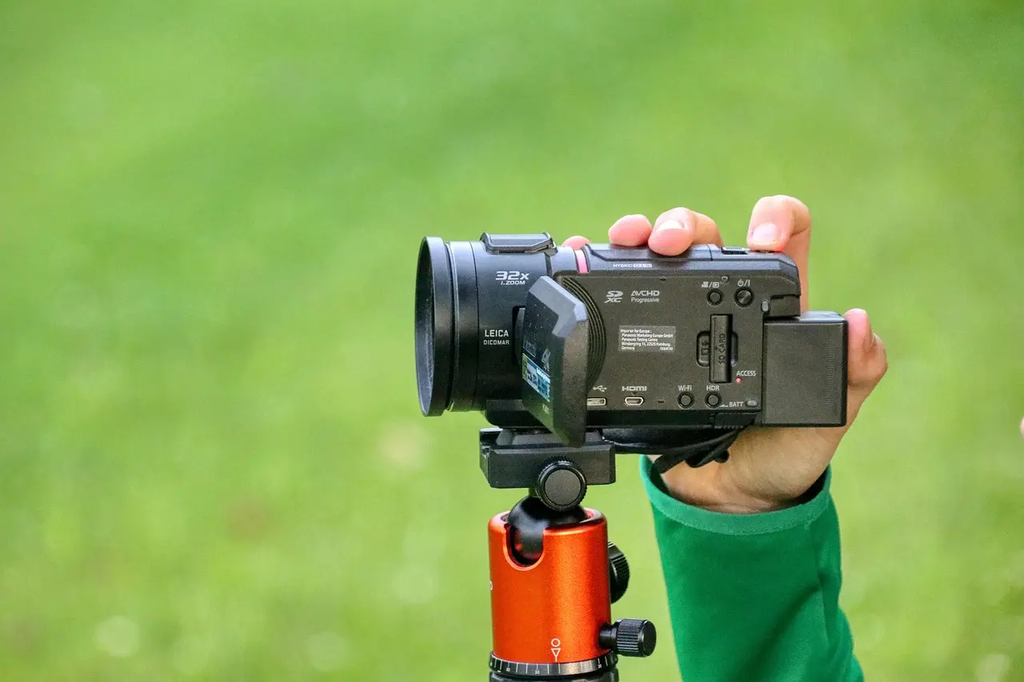
Multi-camera production techniques involve using multiple cameras simultaneously to capture different angles and perspectives during a live event or studio recording. This approach is common in television, talk shows, sports, and live performances, allowing for seamless editing and dynamic storytelling. In creative careers and media, mastering these techniques is essential for producing visually engaging content, ensuring smooth transitions, and enhancing viewer experience through varied visual coverage and real-time direction.
💡 Key Takeaways
- Understand the workflow and roles involved in a multi-camera production.
- Learn how to switch between camera angles smoothly while preserving continuity.
- Identify best practices for lighting, framing, and color consistency across cameras.
- Explore audio capture, cueing, and communication methods essential to multi-camera shoots.
❓ Frequently Asked Questions
What is multi-camera production?
Using two or more cameras to record the same scene from different angles at the same time, enabling real-time switching and richer coverage.
What are the main benefits of multi-camera setups?
Faster filming, consistent performances, smoother live switching, and better coverage of action and group scenes.
What is a production switcher and how is it used?
A production switcher (vision mixer) selects live video from cameras, applies transitions, and outputs the final feed under the director's guidance.
How should you plan camera layout and blocking for multi-camera shoots?
Map camera positions to key actions, designate primary and secondary angles, rehearse timing, and ensure consistent lighting and audio across feeds.