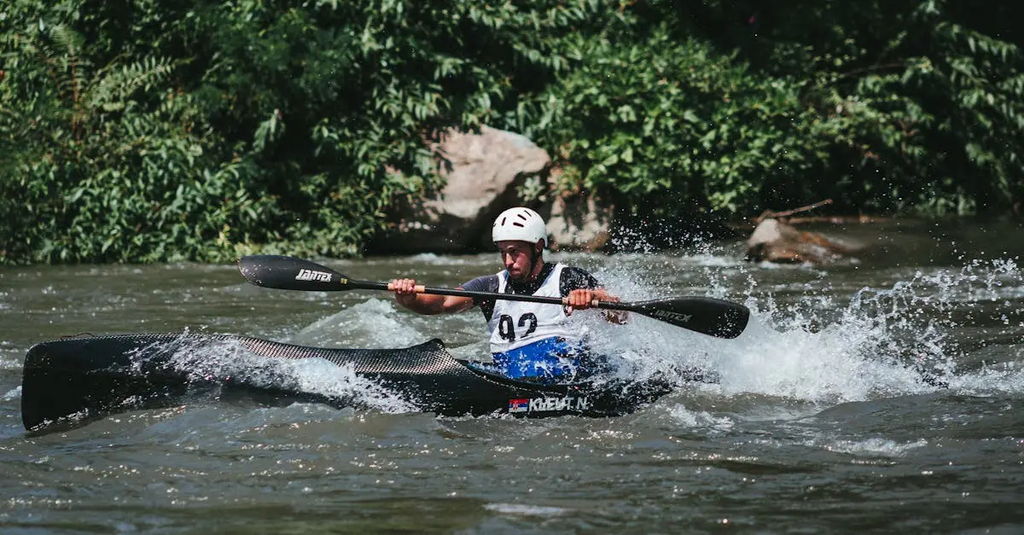
Multi-discipline adventure races are endurance events that combine various outdoor sports such as trekking, mountain biking, paddling, and navigation. Teams or individuals traverse challenging terrains, often in remote locations, using maps and compasses to find checkpoints. These races test physical stamina, mental resilience, teamwork, and problem-solving skills. Distances and durations vary, with some events lasting several days, requiring participants to adapt quickly to changing environments and unpredictable weather conditions.
Multi-Discipline Adventure Races
Multi-discipline adventure races are endurance events that combine various outdoor sports such as trekking, mountain biking, paddling, and navigation. Teams or individuals traverse challenging terrains, often in remote locations, using maps and compasses to find checkpoints. These races test physical stamina, mental resilience, teamwork, and problem-solving skills. Distances and durations vary, with some events lasting several days, requiring participants to adapt quickly to changing environments and unpredictable weather conditions.

💡 Key Takeaways
- Identify the common disciplines in multi-discipline adventure races (trekking, mountain biking, paddling, navigation).
- Explain how maps and compasses are used to navigate and locate checkpoints.
- Describe teamwork and pacing strategies for teams or the mental and physical discipline for solo competitors.
- Recognize key preparation factors: conditioning, nutrition, gear, and safety planning.
- Understand safety and environmental considerations in remote, challenging terrains.
❓ Frequently Asked Questions
What are multi-discipline adventure races?
Endurance events that blend several outdoor sports into one race, often across challenging, remote terrain, with solo or team participation.
Which activities are commonly part of these races?
Trekking or running, mountain biking, paddling, and navigation using maps and compasses; other disciplines may appear depending on the event.
How is navigation used during the race?
Competitors use a map and compass to locate checkpoints spread across the course and plan efficient routes.
What is the race format and goal?
The aim is to visit all checkpoints and finish within a time limit; courses can be point-to-point or staged, emphasizing endurance and decision-making.
How should participants train for these races?
Build cross-discipline fitness (endurance, strength), practice navigation and map-reading, train with the gear you’ll use, and, if in teams, work on communication and teamwork.