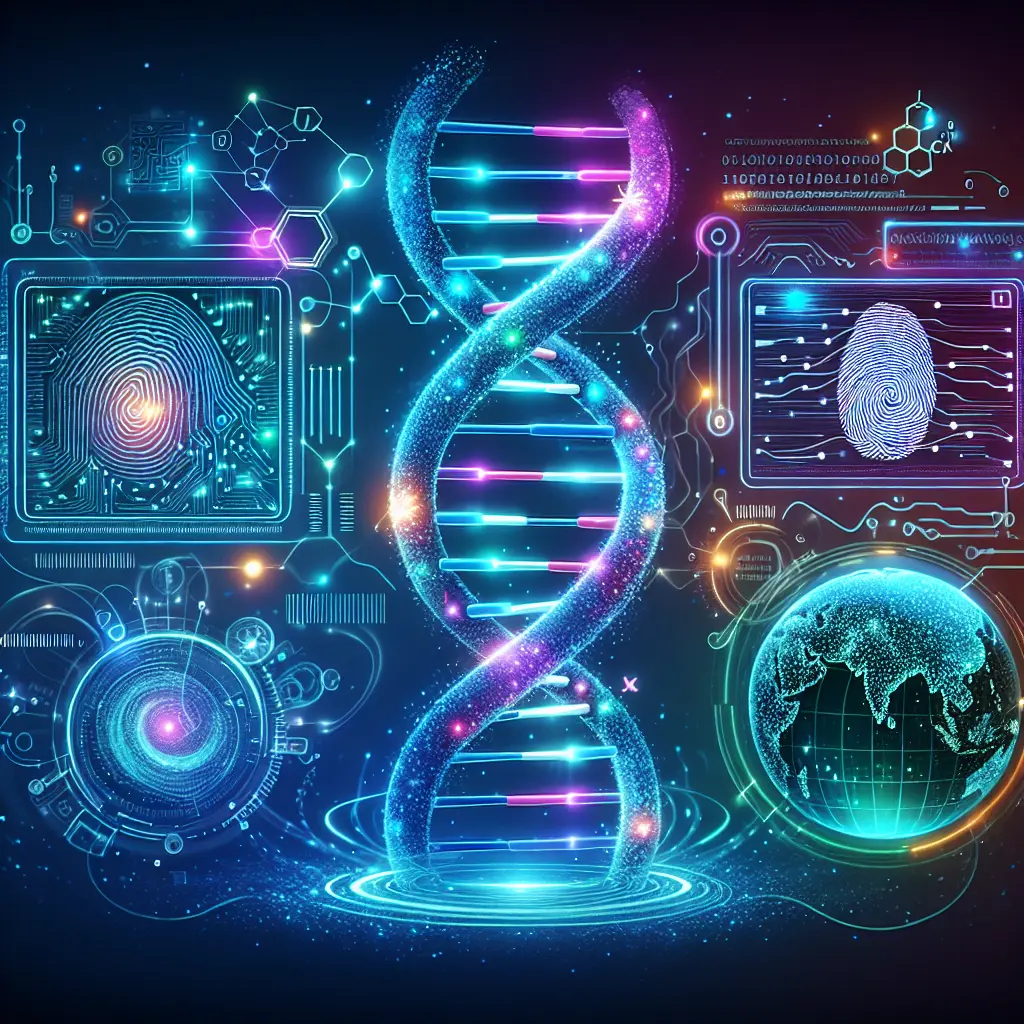
Multimodal Forensics Integration refers to the combined use of various forensic techniques—such as DNA analysis, digital forensics, and geolocation data—to enhance criminal investigations. By integrating biological evidence, electronic data, and location information, investigators can form a more comprehensive understanding of events, establish stronger links between suspects and crime scenes, and increase the accuracy and reliability of forensic conclusions, ultimately improving case resolution rates.
Multimodal Forensics Integration (DNA, Digital, Geo)
Multimodal Forensics Integration refers to the combined use of various forensic techniques—such as DNA analysis, digital forensics, and geolocation data—to enhance criminal investigations. By integrating biological evidence, electronic data, and location information, investigators can form a more comprehensive understanding of events, establish stronger links between suspects and crime scenes, and increase the accuracy and reliability of forensic conclusions, ultimately improving case resolution rates.
💡 Key Takeaways
- Understand how DNA, digital forensics, and geolocation data can be integrated to build a more complete investigative picture.
- Learn how to fuse biological evidence, electronic records, and location information to reconstruct timelines and suspect links.
- Identify common challenges and safeguards in multimodal forensics, including data integrity, privacy considerations, and chain-of-custody issues.
- Explore real-world case scenarios where multimodal evidence changed the course of an investigation and a story’s outcome.
- Gain tips for presenting multimodal findings clearly and responsibly in true crime storytelling and courtroom contexts.
❓ Frequently Asked Questions
What is multimodal forensics integration?
The coordinated use of multiple evidence types—DNA, digital forensics, and geolocation—to build a more complete investigative picture.
How do DNA, digital forensics, and geolocation data contribute to investigations?
DNA links biological material to people or sources; digital forensics uncovers electronic evidence such as messages and timestamps; geolocation shows where a device has been or where events occurred.
What are the key benefits of integrating these modalities?
Cross-validation of evidence, clearer timelines, better reconstruction of events, and stronger, more persuasive findings in court.
What challenges should investigators consider in multimodal forensics?
Privacy and legal constraints, data volume and quality, maintaining chain of custody, need for specialized expertise, and interoperability across systems.