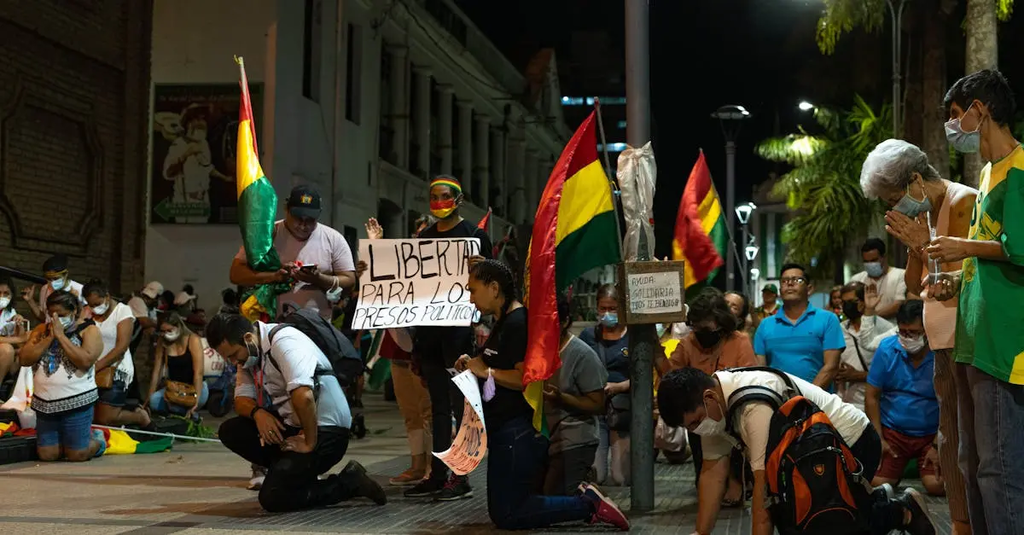
Music and politics are deeply intertwined, as music often reflects, influences, and responds to political events and movements. Artists use songs to voice dissent, promote social change, and rally support for causes, making music a powerful tool for political expression. Throughout history, political anthems and protest songs have united communities, challenged authority, and inspired activism, demonstrating music’s unique ability to shape public opinion and contribute to political discourse.
Music and Politics
Music and politics are deeply intertwined, as music often reflects, influences, and responds to political events and movements. Artists use songs to voice dissent, promote social change, and rally support for causes, making music a powerful tool for political expression. Throughout history, political anthems and protest songs have united communities, challenged authority, and inspired activism, demonstrating music’s unique ability to shape public opinion and contribute to political discourse.

💡 Key Takeaways
- How music reflects political contexts and events across different eras.
- How songs voice dissent, advocate for social change, and mobilize supporters.
- The role of artists and celebrities in shaping political conversations and public opinion.
- Examples of music driving political action and influencing political debates.
❓ Frequently Asked Questions
What does the phrase 'music and politics' cover?
It covers how music reflects political events, influences opinions, and mobilizes people through lyrics, performances, and organized actions.
What is protest music and why is it important?
Protest music is songs that challenge injustice or advocate for change; it helps articulate grievances, mobilize supporters, and often becomes anthems for movements.
In what ways can artists use songs to support a cause?
By writing advocacy lyrics, performing benefit or fundraiser events, releasing campaign records, collaborating with organizations, and using social media to spread messages.
How should you evaluate political messages in music for a quiz?
Look for the intended message, consider the historical and cultural context, distinguish critique from endorsement, and note the potential impact on audiences.