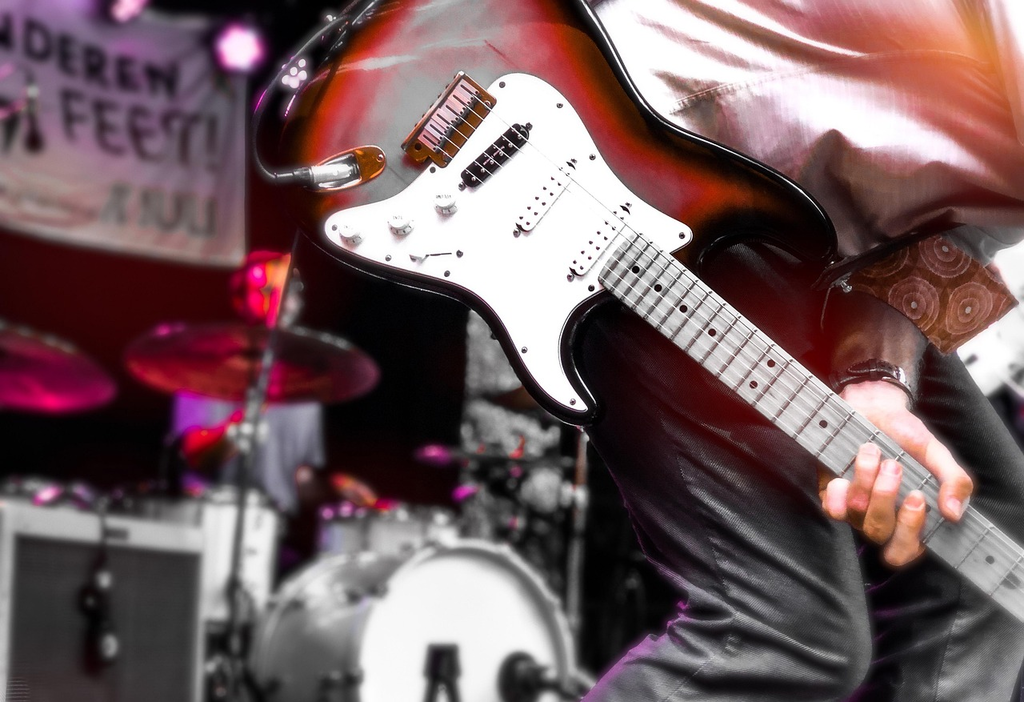
Music and technology have evolved together, shaping how we create, share, and experience sound. From vinyl records to streaming platforms, technology has transformed music’s accessibility and production. Iconic musicians often embrace new tools, influencing trends and inspiring innovation. Synthesizers, digital audio workstations, and social media have redefined genres and global reach. This dynamic relationship continues to push creative boundaries, making music more interactive and inclusive for artists and listeners worldwide.
Music and Technology
Music and technology have evolved together, shaping how we create, share, and experience sound. From vinyl records to streaming platforms, technology has transformed music’s accessibility and production. Iconic musicians often embrace new tools, influencing trends and inspiring innovation. Synthesizers, digital audio workstations, and social media have redefined genres and global reach. This dynamic relationship continues to push creative boundaries, making music more interactive and inclusive for artists and listeners worldwide.
💡 Key Takeaways
- Understand how digital tools (DAWs, plugins, MIDI) have transformed music creation and production.
- Explore the roles of synthesis and sampling in shaping modern sounds.
- Learn how streaming, compression formats, and metadata influence music discovery and access.
- Get a preview of emerging tech like AI-assisted composition and immersive/spatial audio.
❓ Frequently Asked Questions
What is the difference between analog and digital music technology?
Analog tech reproduces sound as continuous signals (e.g., vinyl, tape), while digital tech converts sound into discrete numbers for easy editing and processing in software and digital hardware.
What is MIDI and why is it important?
MIDI (Musical Instrument Digital Interface) lets different instruments and software communicate musical ideas (notes, timing, velocity) without transmitting audio, enabling flexible sequencing and control.
What is a Digital Audio Workstation (DAW) and what is it used for?
A DAW is software for recording, editing, arranging, and mixing music, often hosting virtual instruments and effects to create a full track.
How do streaming services influence music creation and listening?
Streaming uses compressed audio, metadata, and recommendation algorithms; it can affect mastering choices and how artists gain listeners and royalties.