
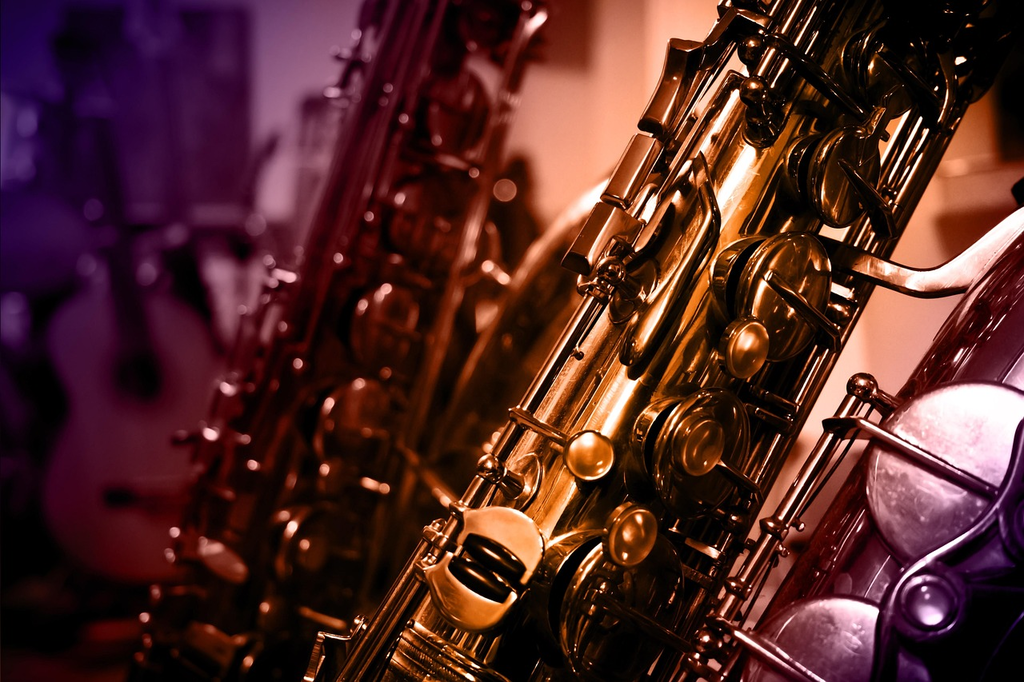
"Musical Instruments (Visual Challenge Vault)" likely refers to a collection or repository of images, puzzles, or visual quizzes centered around musical instruments. Participants may be challenged to identify, match, or differentiate various instruments through pictures, silhouettes, or visual cues. This type of activity is designed to test and enhance recognition skills, musical knowledge, and observation abilities in an engaging, interactive format, appealing to both music enthusiasts and learners.
Musical Instruments
"Musical Instruments (Visual Challenge Vault)" likely refers to a collection or repository of images, puzzles, or visual quizzes centered around musical instruments. Participants may be challenged to identify, match, or differentiate various instruments through pictures, silhouettes, or visual cues. This type of activity is designed to test and enhance recognition skills, musical knowledge, and observation abilities in an engaging, interactive format, appealing to both music enthusiasts and learners.
💡 Key Takeaways
- Identify common musical instrument families and what makes each unique
- Understand how instruments produce sound (strings, air columns, and membranes)
- Learn basic differences between acoustic and electronic instruments
- Explore how pitch, volume, and timbre are affected by playing technique
❓ Frequently Asked Questions
What are musical instruments?
Musical instruments are devices used to produce sound and music, usually by vibrating strings, air columns, membranes, or metal/wood surfaces.
How are musical instruments commonly classified?
They’re often grouped into families such as strings, woodwinds, brass, percussion, and keyboards, based on how they produce sound.
What’s the difference between pitch and volume on an instrument?
Pitch is how high or low a note sounds, while volume is how loud or soft it is; both can be influenced by the way you play.
How do musicians change the sound of an instrument?
They can change sound by adjusting technique (finger placement, breath, striking force), using different notes, and controlling resonance with pedals, valves, or other parts.
Why do some instruments sound louder than others?
Loudness depends on factors like the instrument’s design, resonance, and how efficiently it converts vibration into sound that can be projected to the listener.


