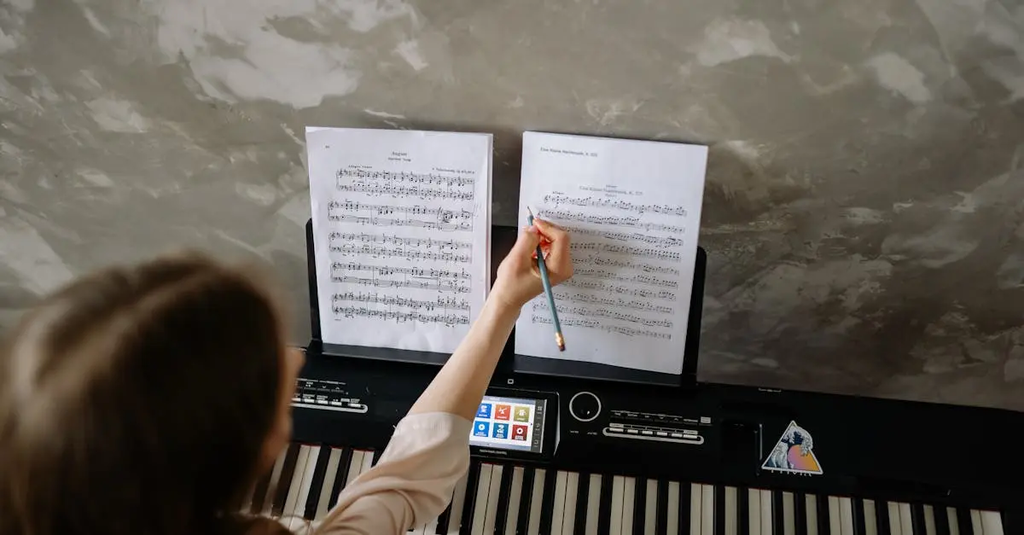
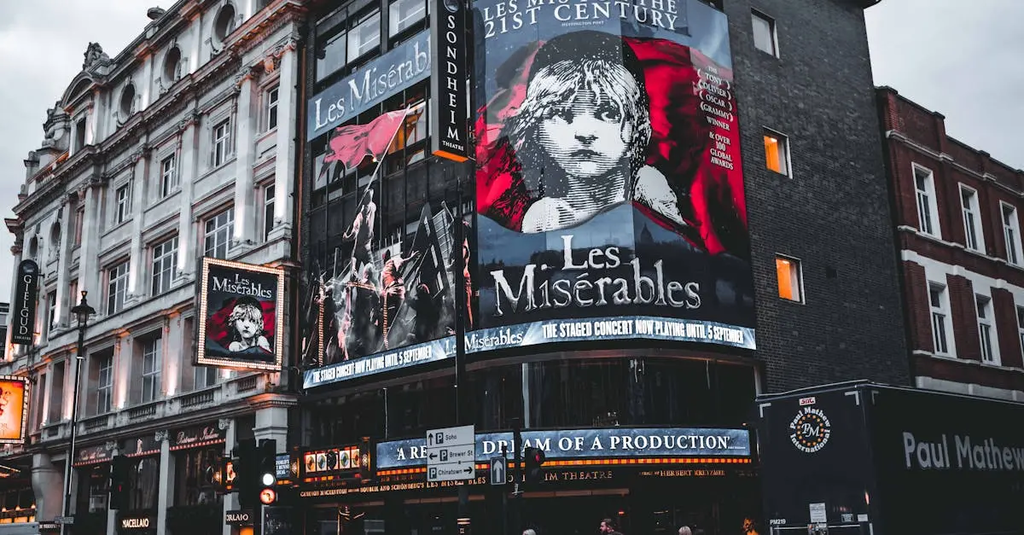
Musical Theatre Classics refers to renowned and influential stage productions that have shaped the performing arts and music landscape. These works, such as "The Phantom of the Opera," "West Side Story," and "Les Misérables," combine compelling storytelling, memorable characters, and iconic musical scores. They are celebrated for their artistic innovation, emotional impact, and enduring popularity, often serving as benchmarks for excellence in the world of musical theatre and inspiring generations of performers and audiences alike.
Musical Theatre Classics+45
Musical Theatre Classics refers to renowned and influential stage productions that have shaped the performing arts and music landscape. These works, such as "The Phantom of the Opera," "West Side Story," and "Les Misérables," combine compelling storytelling, memorable characters, and iconic musical scores. They are celebrated for their artistic innovation, emotional impact, and enduring popularity, often serving as benchmarks for excellence in the world of musical theatre and inspiring generations of performers and audiences alike.
💡 Key Takeaways
- Identify iconic classic musical theatre shows and their signature songs.
- Recognize key composers and lyricists who shaped the genre and their distinctive styles.
- Understand the typical structure of a classic musical (story, numbers, ensemble pieces, reprises) and common theatre terms.
- Trace the historical evolution of musical theatre from the Golden Age to contemporary classics and how cultural context influenced productions.
❓ Frequently Asked Questions
What counts as a musical theatre classic?
A musical that has endured in popularity and influence—often from major eras like the Golden Age—through strong storytelling and memorable songs.
Can you name some iconic musical theatre classics?
Oklahoma!, West Side Story, The Sound of Music, Les Misérables, and The Phantom of the Opera are widely regarded as classics from different eras.
What is a 'book musical'?
A musical in which the dialogue and songs work together to tell the story; the songs are integrated to advance plot and character, not just performed separately.
What is the Golden Age of American musical theatre?
Roughly the 1940s–1960s, when composers like Rodgers & Hammerstein and Lerner & Loewe created enduring shows that emphasized integrated storytelling and memorable songs.