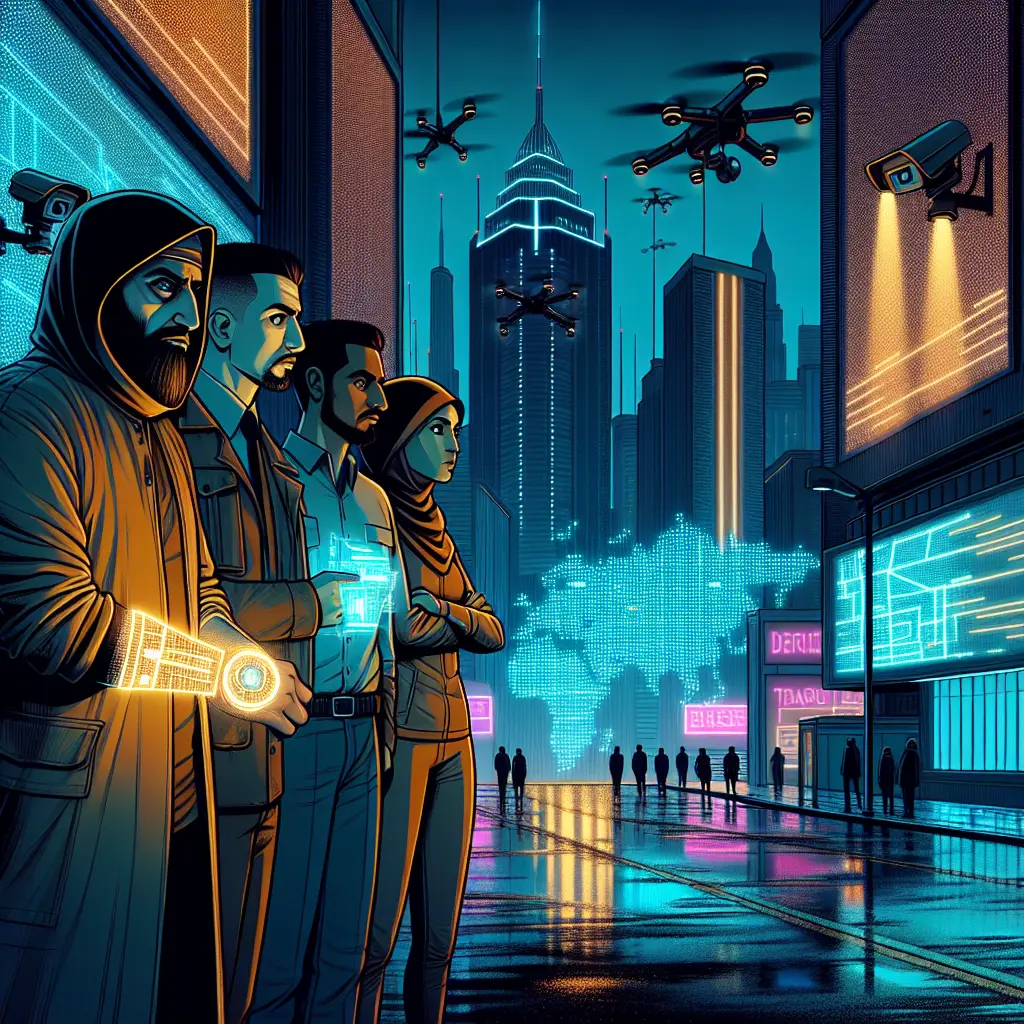
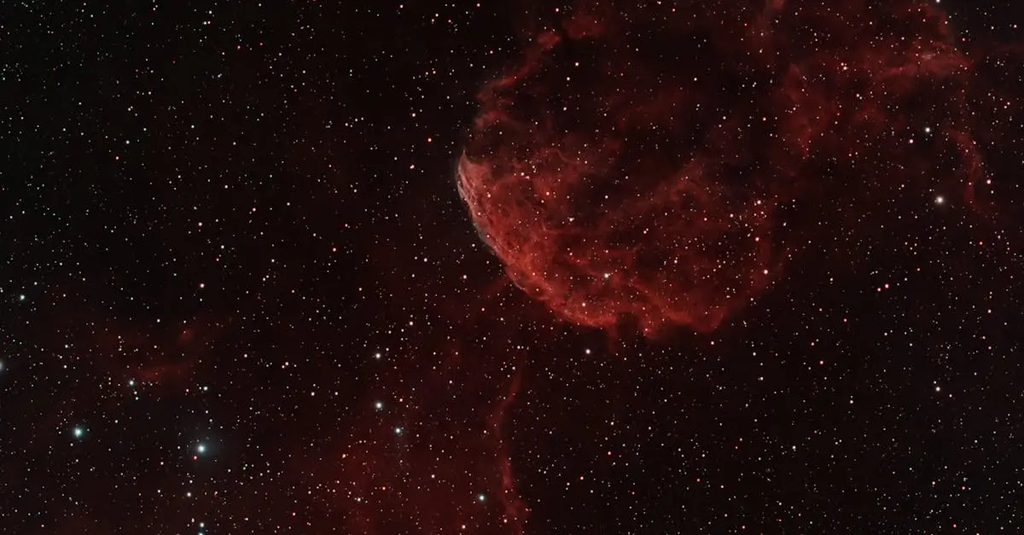
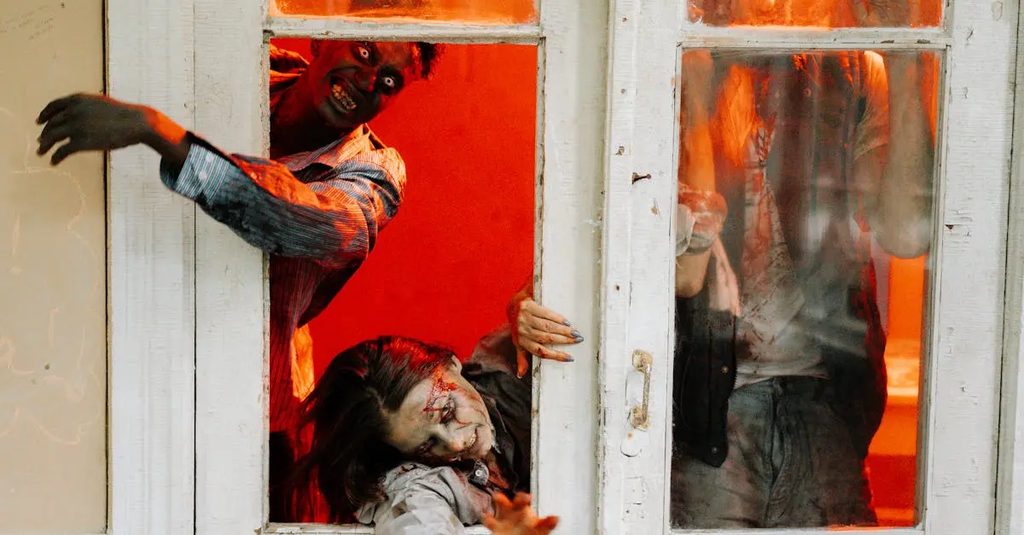
"Mutants & Plagues" evokes a world transformed by catastrophic events, where genetic mutations and widespread diseases shape society and survival. It suggests a setting filled with unpredictable dangers, altered life forms, and the constant threat of infection or transformation. This phrase often appears in science fiction or post-apocalyptic narratives, highlighting themes of adaptation, fear, and the struggle to endure in an environment where both nature and humanity have been drastically changed.
Mutants & Plagues
"Mutants & Plagues" evokes a world transformed by catastrophic events, where genetic mutations and widespread diseases shape society and survival. It suggests a setting filled with unpredictable dangers, altered life forms, and the constant threat of infection or transformation. This phrase often appears in science fiction or post-apocalyptic narratives, highlighting themes of adaptation, fear, and the struggle to endure in an environment where both nature and humanity have been drastically changed.
💡 Key Takeaways
- Understand how mutations and plagues shape world-building across franchises and universes.
- Identify common tropes such as transformation, outbreaks, and mutated ecosystems.
- Compare survival strategies depicted—quarantine, adaptation, and resource management.
- Explore ethical and societal questions raised by biotech threats, including containment and governance.
❓ Frequently Asked Questions
What is a mutant in Mutants & Plagues?
A character whose genetic makeup has been altered, giving new physical, mental, or metabolic traits that differ from the baseline population.
What role do plagues play in these worlds?
Plagues act as crises that threaten survival, reshape ecosystems, and force communities to adapt, quarantine, or fight back.
How can mutations affect individuals and society?
Mutations can grant powers or create risks, influence social status, ethics, governance, and shape how communities respond to threats.
How is a mutation different from a disease in these settings?
A disease is a harmful illness; a mutation is a genetic change that may be contagious or not and can be beneficial, harmful, or neutral—fiction often blends both for storytelling.