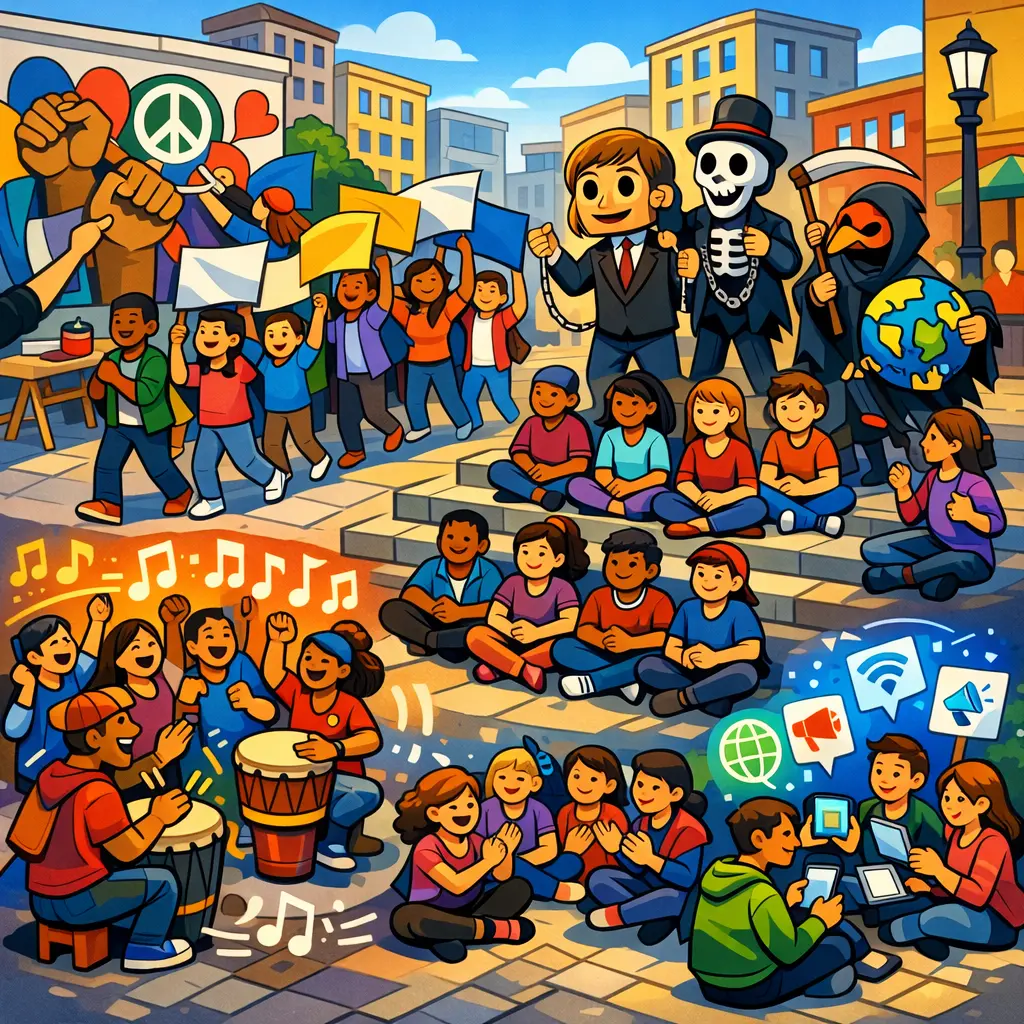
"Myth, Memory & Post-Conflict Reconciliation (Culture, Religion & Society)" explores how collective myths and shared memories influence societies recovering from conflict. It examines the roles culture and religion play in shaping narratives of the past, fostering collective identity, and either aiding or hindering reconciliation processes. By analyzing these dynamics, the phrase highlights the importance of addressing historical narratives and cultural beliefs to achieve lasting peace and social healing in post-conflict societies.
Myth, Memory & Post-Conflict Reconciliation
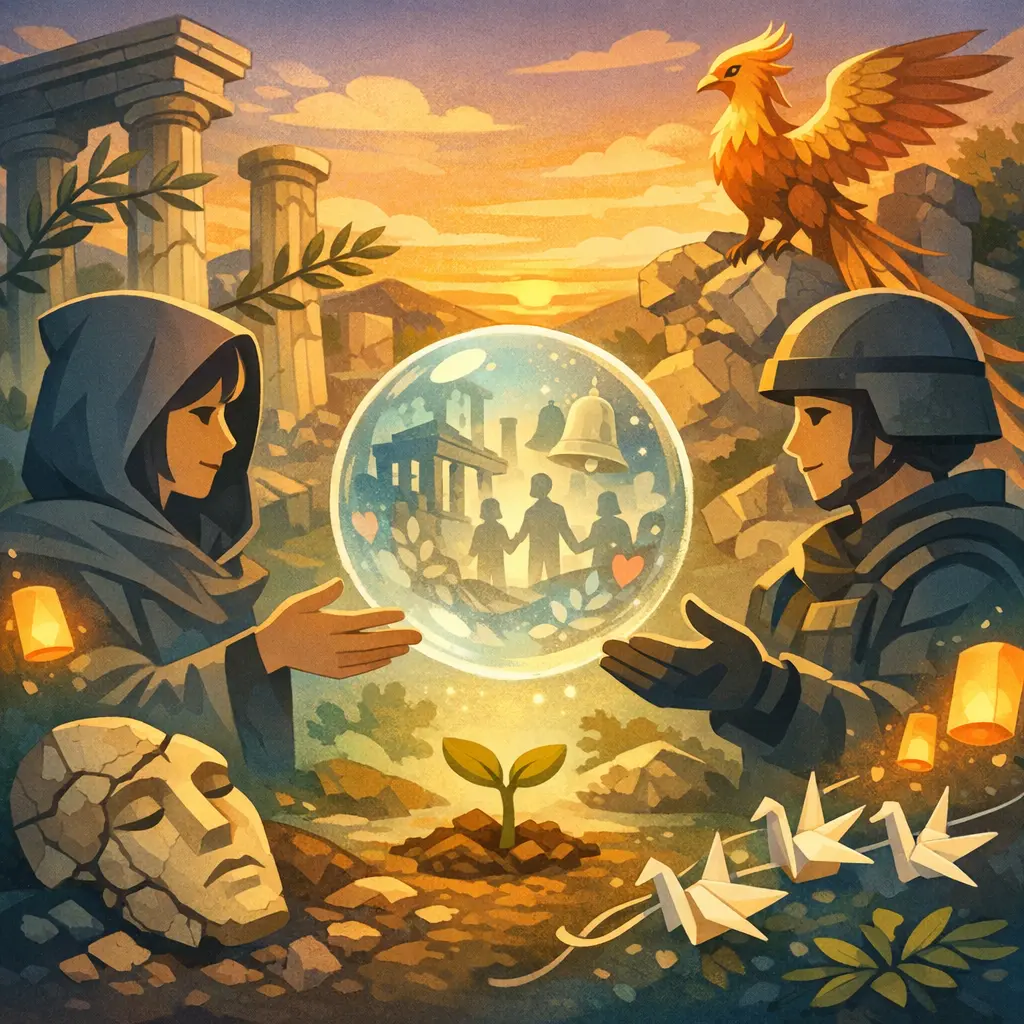
"Myth, Memory & Post-Conflict Reconciliation (Culture, Religion & Society)" explores how collective myths and shared memories influence societies recovering from conflict. It examines the roles culture and religion play in shaping narratives of the past, fostering collective identity, and either aiding or hindering reconciliation processes. By analyzing these dynamics, the phrase highlights the importance of addressing historical narratives and cultural beliefs to achieve lasting peace and social healing in post-conflict societies.
💡 Key Takeaways
- Understand how myths shape collective memory and identity in post-conflict societies.
- Analyze how memory narratives influence reconciliation, forgiveness, and trust.
- Learn communication approaches that acknowledge past harms while promoting dialogue and healing.
- Evaluate strategies that balance truth, accountability, and social repair in reconciliation efforts.
❓ Frequently Asked Questions
What does myth mean in a post-conflict context?
Myths are shared stories about the past that shape group identity and memory; they may be true or contested and can influence attitudes toward the other side.
How does memory affect post-conflict reconciliation?
Collective memory guides trust and dialogue; different memories can block reconciliation, while acknowledging multiple memories can open space for dialogue and healing.
What is the purpose of truth commissions in reconciliation?
They document abuses, acknowledge victims, and establish a common factual basis; they promote accountability and lay groundwork for reforms, while not resolving every grievance alone.
What strategies help balance memory and reconciliation?
Inclusive commemoration, education, memorials, dialogue programs, and restorative justice that recognize victims on all sides and address harmful myths.
How are reconciliation and forgiveness related but different?
Reconciliation is an ongoing process of rebuilding trust and institutions after conflict; forgiveness is a personal or collective decision that can support reconciliation but is not required or sufficient on its own.