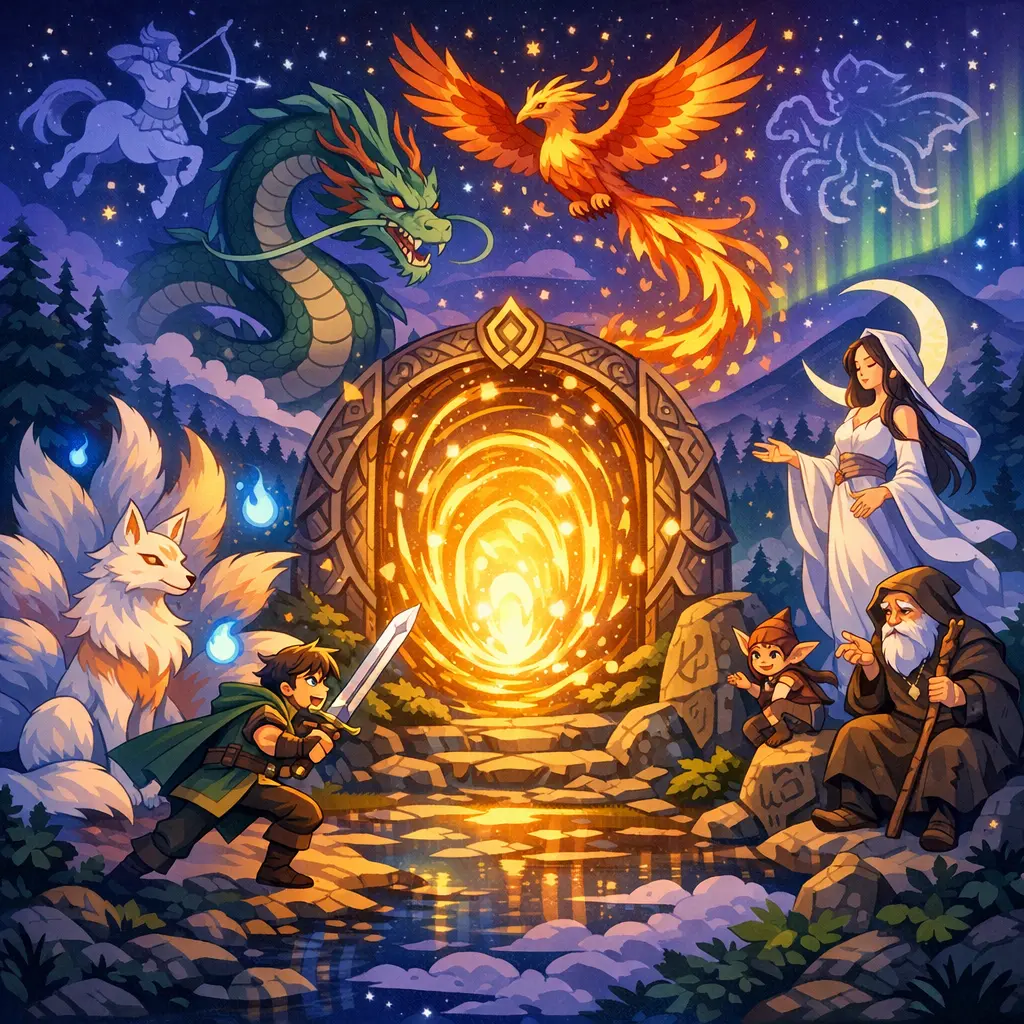
The phrase "Myth, Nationalism & State Narratives (Culture, Religion & Society)" refers to how myths—traditional stories or beliefs—are used by nations and governments to shape collective identity and legitimize authority. These narratives often draw on cultural and religious elements to foster unity, justify political goals, and influence society’s values. By intertwining myth with nationalism, states create powerful stories that define belonging, history, and the nation’s purpose.
Myth, Nationalism & State Narratives
The phrase "Myth, Nationalism & State Narratives (Culture, Religion & Society)" refers to how myths—traditional stories or beliefs—are used by nations and governments to shape collective identity and legitimize authority. These narratives often draw on cultural and religious elements to foster unity, justify political goals, and influence society’s values. By intertwining myth with nationalism, states create powerful stories that define belonging, history, and the nation’s purpose.

💡 Key Takeaways
- Understand how myths shape nationalism and the stories states tell about themselves.
- Identify techniques used in state narratives, such as heroic origins and selective memory.
- Distinguish between myth and historical evidence in national storytelling.
- Assess the impact of state narratives on identity, memory, and minority communities.
❓ Frequently Asked Questions
What does 'myth' mean in the context of national narratives?
A myth is a story or belief about a nation's origins, values, or destiny that helps explain who the people are, often emphasizing ideals and omitting complexities.
What is nationalism and how do state narratives shape it?
Nationalism is loyalty to and pride in a nation. State narratives shape it by presenting curated histories, symbols, and heroes to foster a shared identity and legitimize policies.
How are myth, history, and propaganda different?
History uses evidence to reconstruct past events; myths convey meaning and identity; propaganda aims to persuade by presenting selective or biased information.
How can you critically evaluate national myths and state narratives?
Compare multiple sources, watch for bias and omissions, distinguish facts from interpretation, and consider the purpose and context behind the narrative.