Mythic crossovers and syncretism refer to the blending and merging of myths, deities, and religious traditions from different cultures. This process often occurs when societies interact, leading to the creation of new stories, hybrid gods, or shared rituals. Such crossovers help explain similarities among world mythologies and demonstrate how cultures adapt and reinterpret spiritual beliefs, fostering greater understanding and unity between diverse communities over time.
Mythic Crossovers & Syncretism
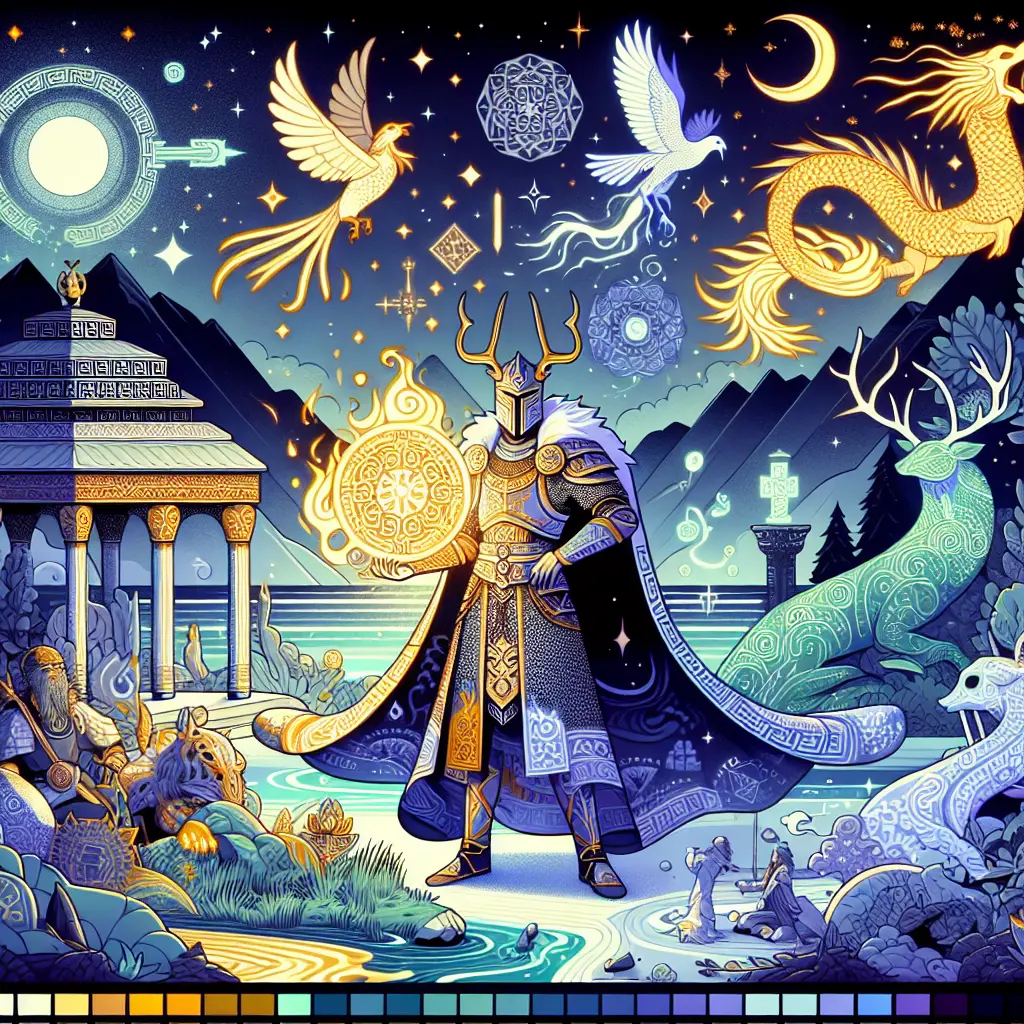
Mythic crossovers and syncretism refer to the blending and merging of myths, deities, and religious traditions from different cultures. This process often occurs when societies interact, leading to the creation of new stories, hybrid gods, or shared rituals. Such crossovers help explain similarities among world mythologies and demonstrate how cultures adapt and reinterpret spiritual beliefs, fostering greater understanding and unity between diverse communities over time.
💡 Key Takeaways
- Define mythic crossovers and syncretism and how cultures merge myths and deities.
- Identify how historical interactions between societies drive blended stories and hybrid gods.
- Recognize common motifs, symbols, and rituals that recur across cultures via syncretism.
- Explore how creators use mythic blending to enrich world-building in franchises and evolving universes.
❓ Frequently Asked Questions
What does 'mythic crossovers' mean?
It refers to blending or merging myths, deities, and religious traditions from different cultures, often creating new stories, hybrid gods, or shared rituals.
What is syncretism?
Syncretism is the process of combining beliefs and practices from multiple religious traditions into a unified system, sometimes creating hybrid figures or merged rituals.
Why do mythic crossovers happen?
They occur when cultures interact—through trade, conquest, migration, or exchange of ideas—leading to similarities, borrowed elements, and new blended myths.
How can crossovers appear in myths or media?
Through deities with merged attributes, shared symbols or powers, or hybrid identities that reflect influences from multiple traditions.