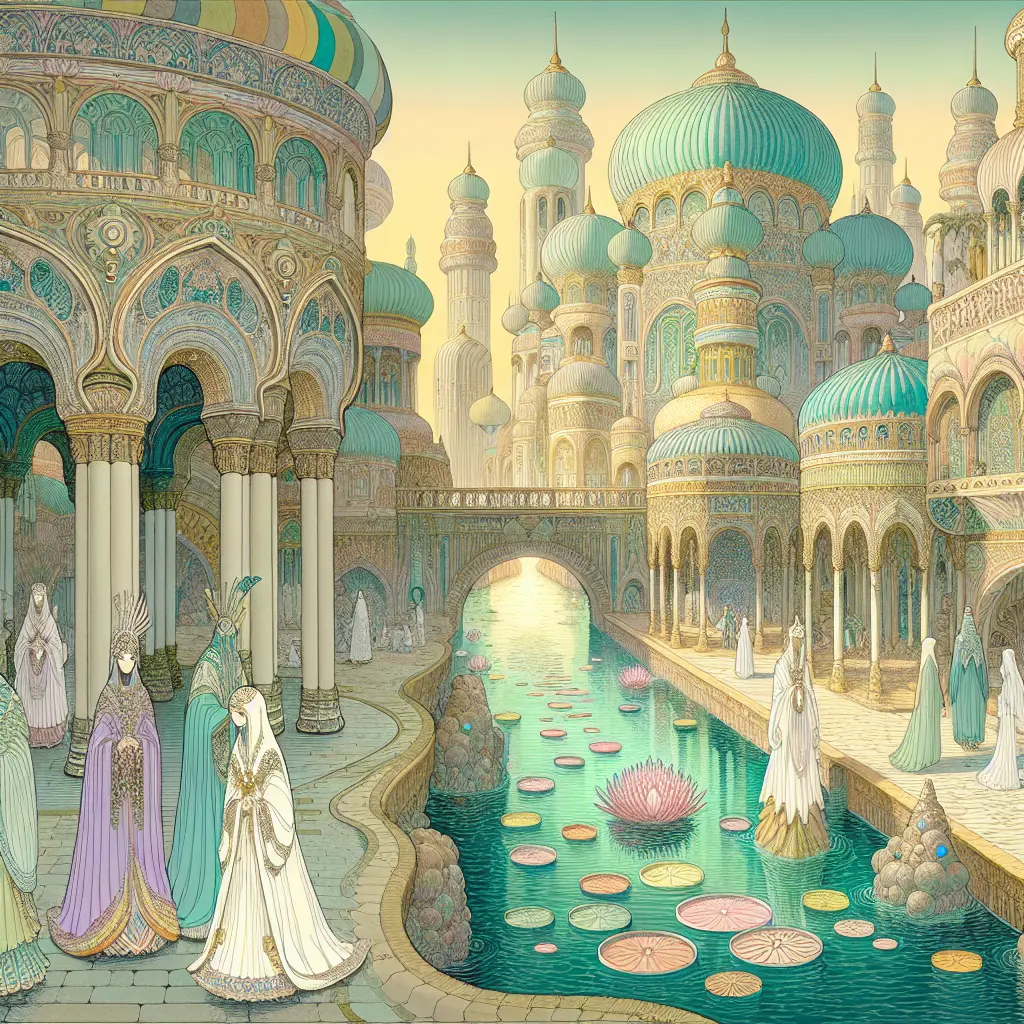
Naboo and Gungan culture represents the harmony and contrasts between the human inhabitants of Naboo and the amphibious Gungan species. Naboo society is known for its elegant architecture, appreciation of the arts, and democratic governance. In contrast, Gungan culture values tradition, communal living, and technological ingenuity adapted to their aquatic environment. Despite initial misunderstandings, both societies ultimately exemplify cooperation, respect for nature, and a shared commitment to peace on their beautiful planet.
Naboo and Gungan Culture
Naboo and Gungan culture represents the harmony and contrasts between the human inhabitants of Naboo and the amphibious Gungan species. Naboo society is known for its elegant architecture, appreciation of the arts, and democratic governance. In contrast, Gungan culture values tradition, communal living, and technological ingenuity adapted to their aquatic environment. Despite initial misunderstandings, both societies ultimately exemplify cooperation, respect for nature, and a shared commitment to peace on their beautiful planet.
💡 Key Takeaways
- Understand how Naboo's architecture and arts reflect a democratic, refined society.
- Learn how Gungan tradition and communal living shape their social structure and decision-making.
- Identify contrasts and similarities between Naboo and Gungan values in daily life.
- Explore diplomacy and cultural exchanges that reveal harmony and tension between Naboo and the Gungans.
❓ Frequently Asked Questions
What are Naboo's cultural hallmarks?
Elegant architecture, appreciation of the arts, and democratic governance.
What values define Gungan culture?
Tradition and communal living, adapted to an amphibious lifestyle.
Where do Gungans typically live?
In underwater cities such as Otoh Gunga, reflecting their aquatic world.
How do Naboo and Gungan governance styles differ?
Naboo emphasizes democratic institutions and civic participation, while Gungans rely on traditional councils and communal leadership.
What is a key cultural contrast between Naboo and Gungans?
Naboo tends toward refinement and arts appreciation; Gungans emphasize tradition, communal bonds, and resilience.