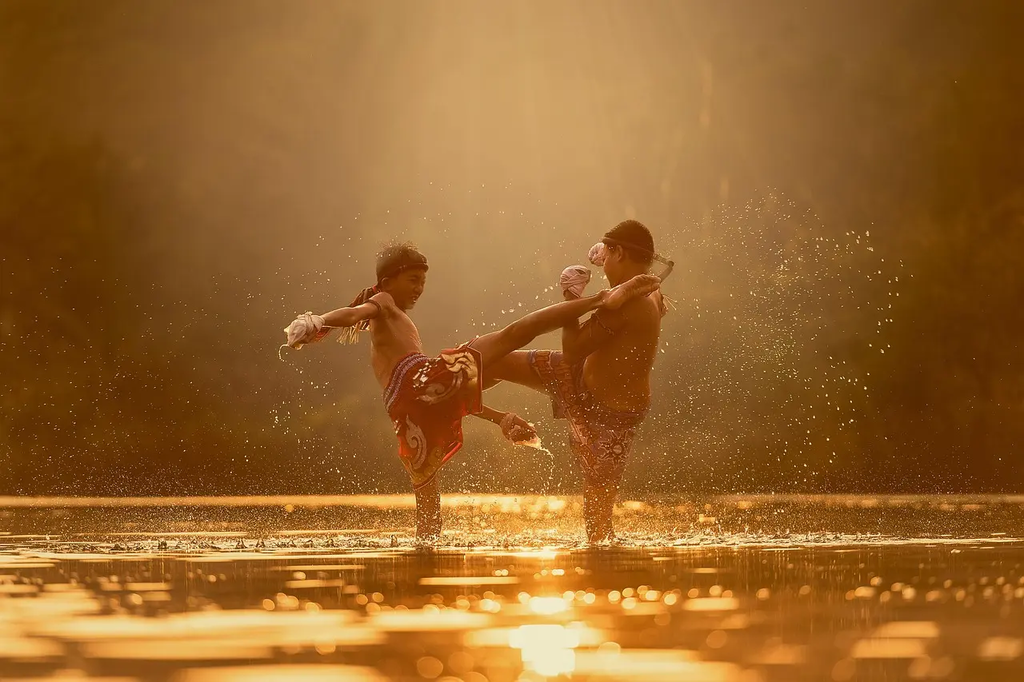
National Boxing Heritage refers to the rich traditions and legacies of boxing in countries like Mexico, the UK, Cuba, and the Philippines. Each nation boasts iconic fighters, unique fighting styles, and passionate fan bases. Mexico is known for its aggressive, relentless approach; the UK for its technical prowess; Cuba for its amateur dominance and slick movement; and the Philippines for producing global stars and dynamic fighters, all contributing significantly to boxing history.
National Boxing Heritage: Mexico, UK, Cuba, Philippines
National Boxing Heritage refers to the rich traditions and legacies of boxing in countries like Mexico, the UK, Cuba, and the Philippines. Each nation boasts iconic fighters, unique fighting styles, and passionate fan bases. Mexico is known for its aggressive, relentless approach; the UK for its technical prowess; Cuba for its amateur dominance and slick movement; and the Philippines for producing global stars and dynamic fighters, all contributing significantly to boxing history.

💡 Key Takeaways
- Compare national boxing styles: Mexico's aggressive pressure, Cuba's technical precision, the Philippines' speed, and the UK's technical craft.
- Identify iconic fighters from each country and explain how their legacies shaped training methods and fan culture.
- Explain how national boxing heritage influences training, gym environments, and in-ring strategy across these nations.
- Discuss how amateur and professional traditions differ within these countries and how international competition preserves their legacies.
❓ Frequently Asked Questions
What is National Boxing Heritage?
National Boxing Heritage refers to the rich traditions, styles, and legacies of boxing in a country, including famous fighters, gyms, fan culture, and how the sport shapes national identity.
What characterizes Mexico's boxing style?
Mexico's boxing style is known for relentless pressure, aggressive punching, and strong body work, producing fighters with high stamina and a tireless work rate.
How has Cuba influenced boxing globally?
Cuba's standout amateur system emphasizes technical skill, defense, and footwork, producing Olympic and world champions who have shaped boxing techniques worldwide.
What defines the United Kingdom's boxing heritage?
The UK is celebrated for technical mastery, smart tactics, solid fundamentals, and ring craft that emphasize defense and strategic pacing.
What stands out about boxing in the Philippines?
The Philippines is known for speed, power, and high-volume punching, with a deep boxing culture that has produced icons like Manny Pacquiao.