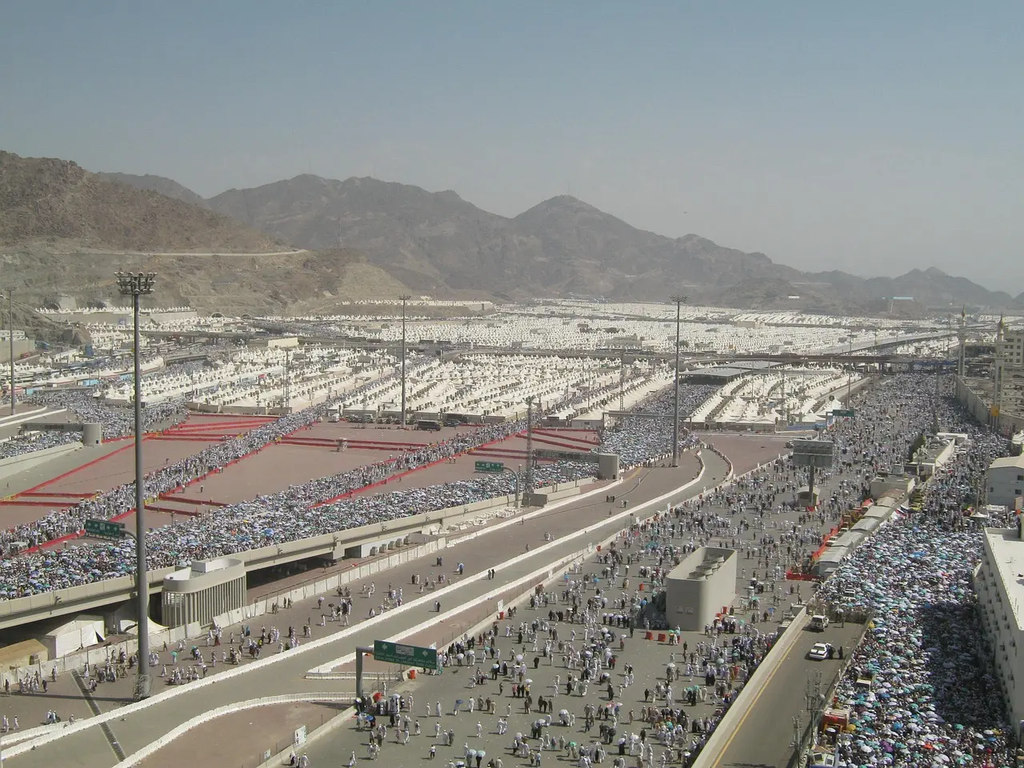
National holidays are designated days of celebration or remembrance recognized by a country’s government. These days often commemorate significant historical events, cultural traditions, or honor notable individuals. Businesses, schools, and government offices typically close, allowing citizens to participate in festivities, ceremonies, or family gatherings. Examples include Independence Day, Constitution Day, or religious observances. National holidays foster unity, patriotism, and cultural identity, providing a shared sense of heritage among the population.
National Holidays+50
National holidays are designated days of celebration or remembrance recognized by a country’s government. These days often commemorate significant historical events, cultural traditions, or honor notable individuals. Businesses, schools, and government offices typically close, allowing citizens to participate in festivities, ceremonies, or family gatherings. Examples include Independence Day, Constitution Day, or religious observances. National holidays foster unity, patriotism, and cultural identity, providing a shared sense of heritage among the population.
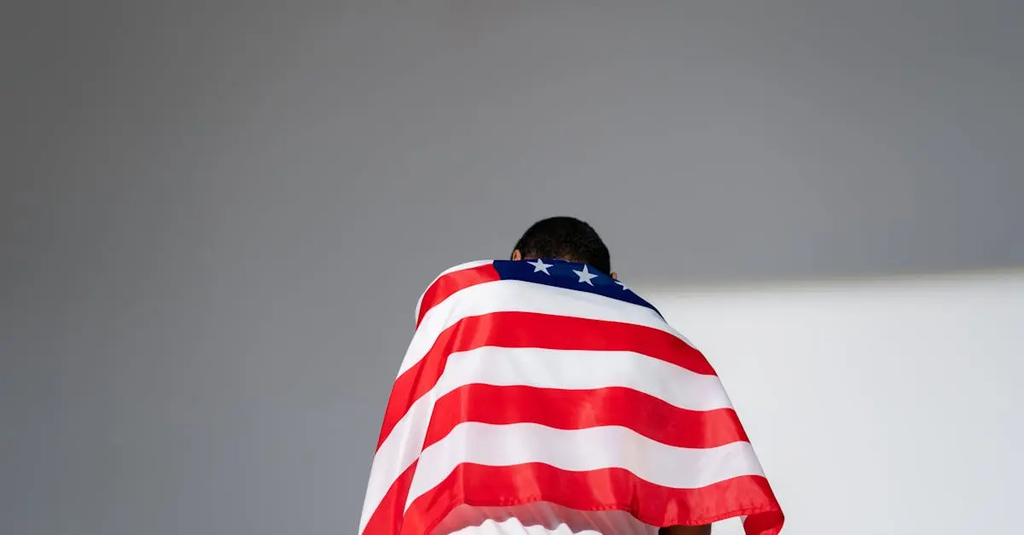
💡 Key Takeaways
- Define what a national holiday is and who designates it.
- Learn why nations choose holidays (historic events, culture, notable individuals) and what they celebrate.
- Understand how national holidays affect daily life (businesses, schools, and government offices closing or altering schedules).
- Identify common holiday types (remembrance, cultural celebrations, independence, civic milestones) and how they vary by country.
❓ Frequently Asked Questions
What is a national holiday?
A government-designated day of celebration or remembrance observed nationwide, often with time off work or school to honor historical events, traditions, or notable individuals.
Why do national holidays differ from one country to another?
They reflect each country’s unique history, culture, and values; governments choose days with local significance, so holidays vary widely.
How are national holidays typically observed?
Public offices and many businesses close, and people participate in ceremonies, parades, family gatherings, or cultural activities.
What is the difference between a national holiday and a religious holiday?
National holidays are designated by the government and may be secular or inclusive, while religious holidays are tied to a specific faith and its calendar.