National trails and long-distance footpaths are designated walking routes that span significant distances, often crossing regions or even entire countries. These paths are typically marked and maintained for public use, offering opportunities for hiking, exploration, and enjoying natural landscapes. They often highlight scenic, historic, or culturally significant areas, providing a way for people to experience the outdoors, connect with nature, and promote physical activity while preserving important environments.
National trails and long-distance footpaths
National trails and long-distance footpaths are designated walking routes that span significant distances, often crossing regions or even entire countries. These paths are typically marked and maintained for public use, offering opportunities for hiking, exploration, and enjoying natural landscapes. They often highlight scenic, historic, or culturally significant areas, providing a way for people to experience the outdoors, connect with nature, and promote physical activity while preserving important environments.
💡 Key Takeaways
- National Trails are designated long-distance routes in the UK that are waymarked, maintained, and open for public use.
- Major UK trails traverse diverse landscapes—from coastlines to uplands—and include well-known routes like the Pennine Way and Pembrokeshire Coast Path.
- They can cross regions or even cross between England, Wales, and Scotland, connecting different parts of the UK.
- Plan a long-distance hike by considering distance, terrain, navigation, weather, and accommodation along the route.
❓ Frequently Asked Questions
What is a National Trail in the UK?
A long-distance walking route designated for public use, typically at least 100 miles, and officially marked and maintained for safe hiking.
How do National Trails differ from other long-distance footpaths?
National Trails have official designation, dedicated maintenance, and standardized signs, whereas some long-distance paths are informal or locally maintained.
How are these trails marked and maintained?
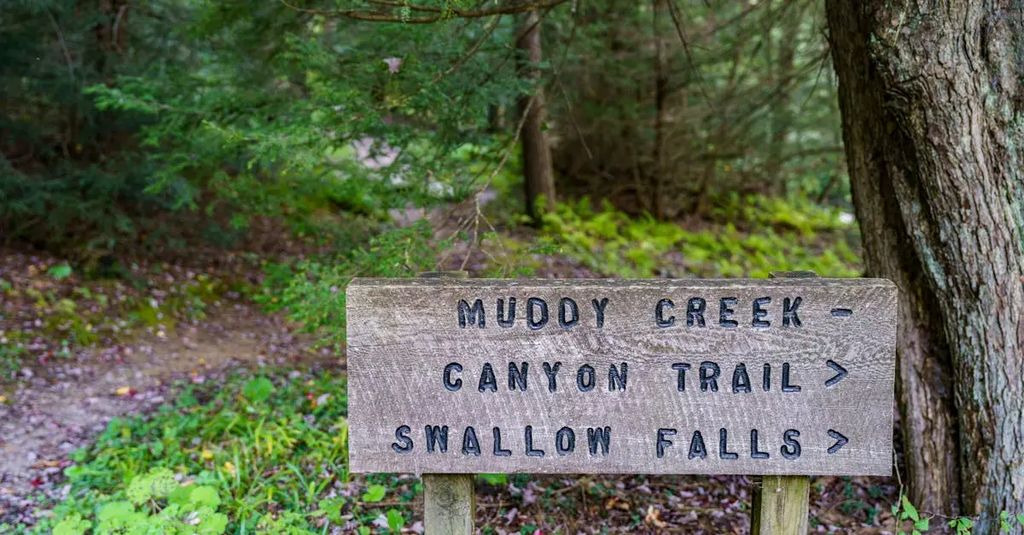
They use waymarkers and signs (often including the National Trails logo). Maintenance is organized by trail managers with support from local authorities and volunteers.
Can I complete a National Trail in stages or must I hike the entire route?
You can hike individual sections or shorter chunks. Plan using local access points, transport options, and nearby accommodations.