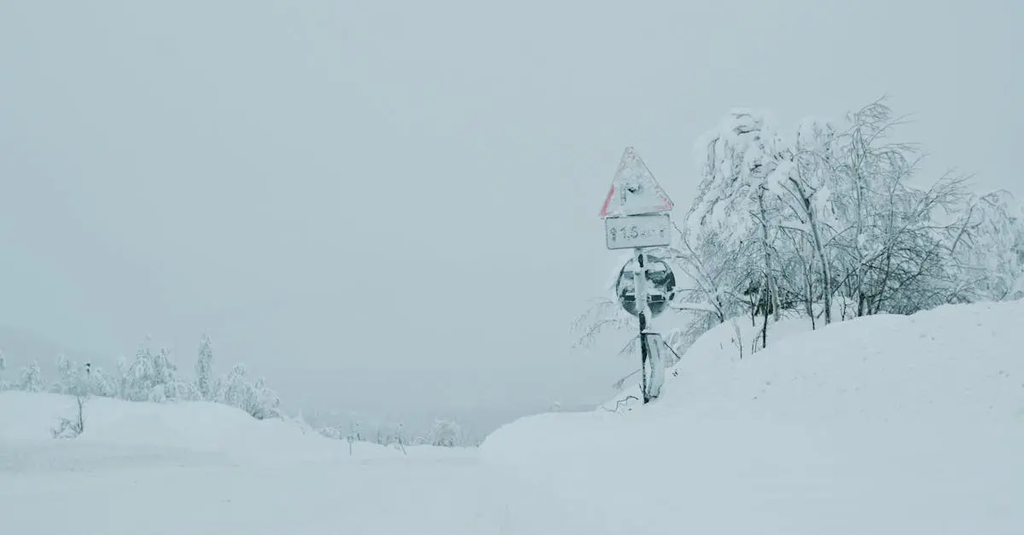
Navigation in whiteout conditions refers to the process of finding one’s way when visibility is severely reduced due to heavy snowfall, fog, or blowing snow. In such situations, the horizon disappears, and distinguishing between the ground and sky becomes nearly impossible. Navigators must rely on instruments like compasses, GPS, or landmarks, and use careful route planning and pacing, as visual cues are unreliable, increasing the risk of disorientation and danger.
Navigation in Whiteout Conditions
Navigation in whiteout conditions refers to the process of finding one’s way when visibility is severely reduced due to heavy snowfall, fog, or blowing snow. In such situations, the horizon disappears, and distinguishing between the ground and sky becomes nearly impossible. Navigators must rely on instruments like compasses, GPS, or landmarks, and use careful route planning and pacing, as visual cues are unreliable, increasing the risk of disorientation and danger.
💡 Key Takeaways
- In whiteout conditions, the horizon disappears and landmarks vanish, so visual navigation is unreliable.
- Rely on instruments and non-visual cues: map, compass, altimeter, GPS backups, and pace counting to maintain bearing and estimate distance.
- Use dead reckoning and route planning: keep a steady bearing, log progress, and set mental/physical waypoints to stay on course.
- Prioritize safety: know when to retreat or seek shelter, stay with teammates, and have an emergency plan and signaling methods.
❓ Frequently Asked Questions
What is a whiteout condition and how does it affect navigation?
A whiteout occurs when heavy snow, fog, or blowing snow reduces visibility to near zero, making the horizon vanish and ground/sky indistinguishable. This disrupts depth perception and recognizable landmarks, making navigation extremely challenging.
Which navigation tools are reliable in whiteouts?
Use a map and compass for dead reckoning, and treat GPS as a backup (signals can fail or be unreliable). A pace count and timing help estimate distance. Avoid relying on sight-based cues alone.
What steps should you take to stay safe while navigating in whiteouts?
Pause to orient with map and compass, reassess the route, and choose a conservative path with safe terrain. Keep the group together, use timing and pacing to gauge distance, and backtrack to a known point or turn back if you’re unsure.
How can you prepare before entering whiteout conditions?
Plan your route in advance, check weather forecasts, and share your plan with someone. Pack navigation gear (map, compass, GPS backup), extra batteries, and an emergency beacon, and practice navigation skills in calm conditions.