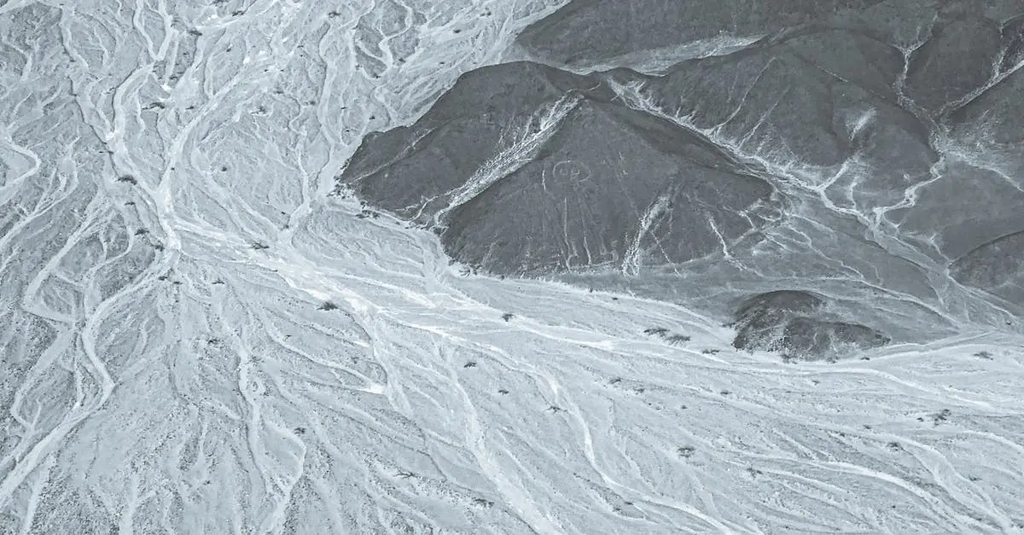
The Nazca Lines Enigma refers to the mystery surrounding massive geoglyphs etched into the Peruvian desert by the ancient Nazca civilization between 500 BCE and 500 CE. These enormous shapes, visible only from the air, depict animals, plants, and geometric patterns. Their purpose remains debated among scholars, with theories ranging from astronomical calendars and religious rituals to markers for water sources, making the Nazca Lines one of archaeology’s most intriguing unsolved puzzles.
Nazca Lines Enigma
The Nazca Lines Enigma refers to the mystery surrounding massive geoglyphs etched into the Peruvian desert by the ancient Nazca civilization between 500 BCE and 500 CE. These enormous shapes, visible only from the air, depict animals, plants, and geometric patterns. Their purpose remains debated among scholars, with theories ranging from astronomical calendars and religious rituals to markers for water sources, making the Nazca Lines one of archaeology’s most intriguing unsolved puzzles.
💡 Key Takeaways
- Identify what the Nazca Lines are and where they are located.
- Recognize the common designs (animals, plants, geometric shapes) and their massive scale.
- Understand why experts disagree about the purpose of the lines and review major theories.
- Learn about the methods used to study and date the lines and why air visibility matters.
❓ Frequently Asked Questions
What are the Nazca Lines?
A group of massive geoglyphs carved into the Nazca Desert in southern Peru, depicting animals, plants, and geometric shapes; best viewed from the air.
When and where were they created, and by whom?
Created by the Nazca culture roughly between 500 BCE and 500 CE in southern Peru; modern discovery began in the 20th century (notably Toribio Mejía Xesspe, 1927) with later study by Maria Reiche.
How were the lines made and why have they lasted so long?
They were formed by removing the dark surface layer of stones to reveal lighter ground beneath; the arid desert environment helps preserve them for centuries.
What are the main theories about their purpose?
Theories include astronomical calendars, religious or ritual purposes, markers for water sources, or ceremonial pathways; no single consensus.
Can you view the Nazca Lines today, and are they protected?
Yes—best viewed from air tours or nearby hilltops; the site is a UNESCO World Heritage Site (since 1994) and protected to prevent damage.