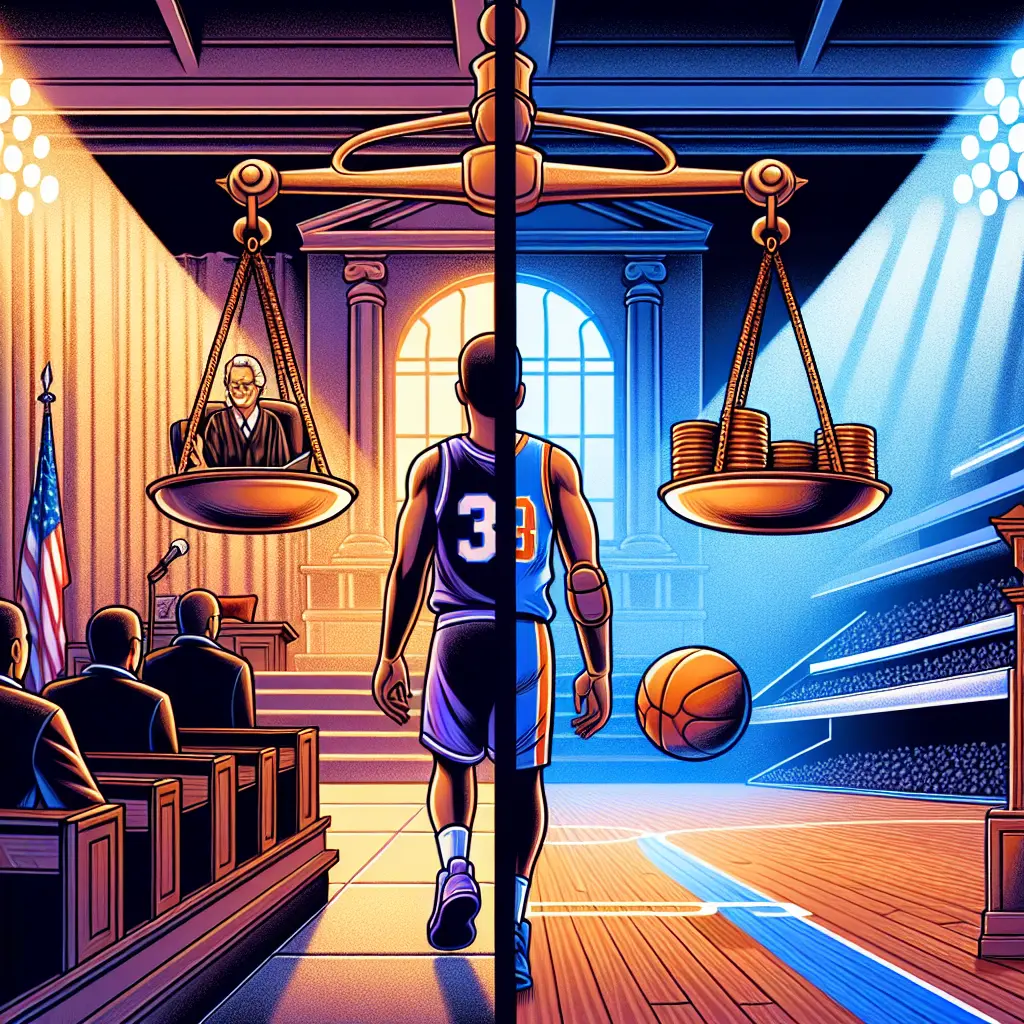
"NCAA amateurism on trial: O'Bannon to Alston" refers to a series of landmark legal cases challenging the NCAA’s rules restricting college athletes from profiting from their name, image, and likeness (NIL) or receiving compensation beyond scholarships. Beginning with Ed O’Bannon’s lawsuit over video game likenesses and culminating in the Supreme Court’s Alston decision, these cases questioned the fairness and legality of amateurism, leading to significant reforms in college sports compensation policies.
NCAA amateurism on trial: O'Bannon to Alston
"NCAA amateurism on trial: O'Bannon to Alston" refers to a series of landmark legal cases challenging the NCAA’s rules restricting college athletes from profiting from their name, image, and likeness (NIL) or receiving compensation beyond scholarships. Beginning with Ed O’Bannon’s lawsuit over video game likenesses and culminating in the Supreme Court’s Alston decision, these cases questioned the fairness and legality of amateurism, leading to significant reforms in college sports compensation policies.
💡 Key Takeaways
- Understand what 'amateurism' meant in NCAA rules and why it was challenged in court.
- Identify the landmark cases—O'Bannon v. NCAA and Alston v. NCAA—and their central claims about NIL and compensation.
- Explain how these lawsuits argued NCAA rules restricted athletes' name, image, and likeness (NIL) rights and earnings under antitrust laws.
- Learn how the rulings accelerated changes toward NIL rights and enhanced compensation beyond traditional scholarships.
- Consider the broader impact on college sports, athlete rights, and the evolving NIL landscape.
❓ Frequently Asked Questions
What is the core issue in the O’Bannon to Alston cases?
They challenge NCAA rules that restrict college athletes from profiting from their name, image, and likeness (NIL) and limit compensation beyond scholarships, arguing these rules violate antitrust laws and fairness principles.
Who is Ed O’Bannon and why is his case significant?
Ed O’Bannon was a college basketball player whose lawsuit against the NCAA contested the use of players’ likeness in video games without compensation, helping spark a broader challenge to amateurism rules.
What does NIL stand for and why is it important in college sports?
NIL stands for Name, Image, and Likeness. It lets athletes earn money from endorsements, social media, autographs, and other ventures while in college, within legal and institutional rules.
What happened in NCAA v. Alston and why does it matter?
The Supreme Court ruled that certain NCAA limits on education-related benefits violate antitrust law, reinforcing the idea that some compensation for student-athletes can be challenged and prompting broader consideration of benefits beyond scholarships.
How have these landmark cases shaped today’s college-athlete landscape?
They helped accelerate NIL rights, licensing, and education-related benefits, prompting reforms in how schools, conferences, and the NCAA regulate and monetize athlete likeness and opportunities.