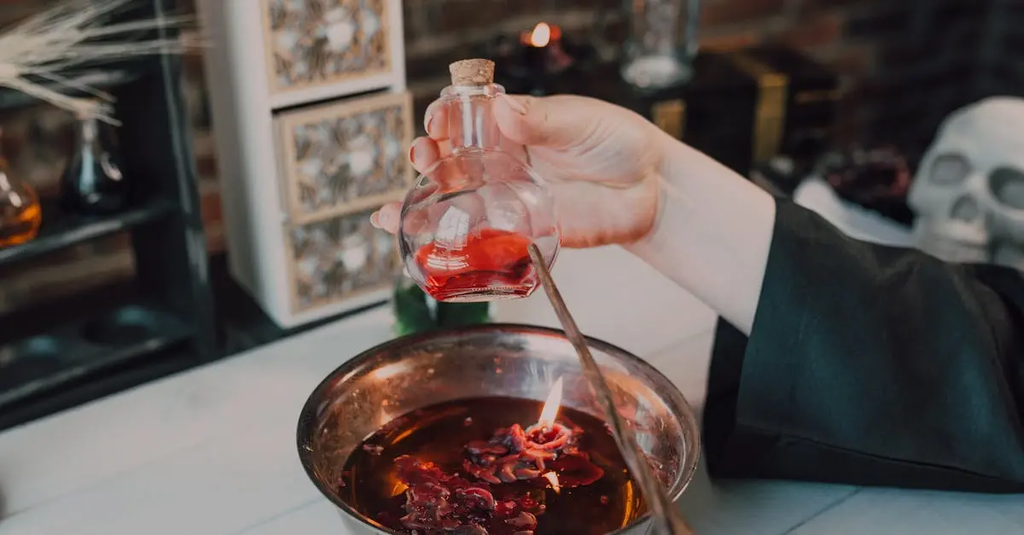
Necromancy and soul magic refer to mystical arts focused on manipulating life, death, and the essence of souls. Necromancy traditionally involves communicating with or raising the dead, often for divination or control. Soul magic, meanwhile, centers on harnessing the power of human or spiritual souls for various magical effects, such as healing, empowerment, or binding spirits. Both are often depicted as dark, mysterious, and morally ambiguous forms of magic in fantasy lore.
Necromancy & Soul Magic
Necromancy and soul magic refer to mystical arts focused on manipulating life, death, and the essence of souls. Necromancy traditionally involves communicating with or raising the dead, often for divination or control. Soul magic, meanwhile, centers on harnessing the power of human or spiritual souls for various magical effects, such as healing, empowerment, or binding spirits. Both are often depicted as dark, mysterious, and morally ambiguous forms of magic in fantasy lore.
💡 Key Takeaways
- Differentiate necromancy from soul magic and explain the core powers each grants.
- Describe common necromantic practices (raising the dead, contacting spirits) and their narrative uses.
- Explain how soul magic draws energy from the soul, including limits and potential risks.
- Discuss ethical, personal, and societal consequences of practicing necromancy in fantasy worlds.
❓ Frequently Asked Questions
What is necromancy?
A magical practice focused on life, death, and spirits—often involving communicating with the dead, summoning or commanding undead, and using death-energy to power spells.
What is soul magic?
A form of magic that channels the power of a soul—human or spiritual—to fuel spells, create protective wards, or empower artifacts, sometimes by binding or transferring soul-energy.
How does necromancy typically work in fantasy worlds?
Practices vary, but common methods include rites or circles to contact spirits, rituals to raise or control undead, and using artifacts or pacts to draw on death-energy.
Are necromancers always evil?
No. Depictions range from morally ambiguous or heroic to villainous. Intent, methods, and consent often shape how a necromancer is portrayed.