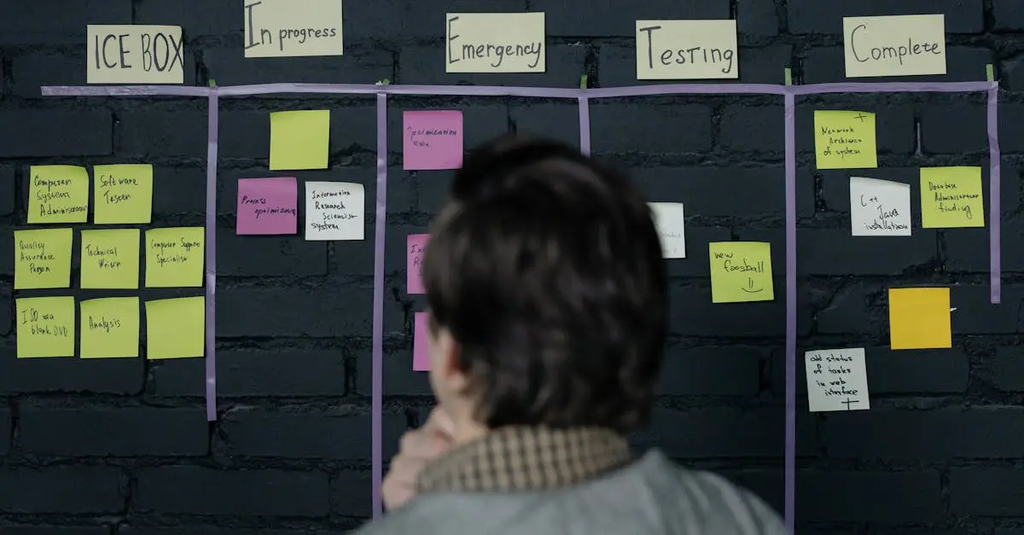
Negotiating complex deals involves managing multifaceted agreements that require careful communication, strategic planning, and problem-solving. It typically includes multiple stakeholders, intricate terms, and significant stakes, demanding thorough preparation and flexibility. Success depends on understanding each party’s interests, building trust, and finding creative solutions to overcome obstacles. Effective negotiators balance assertiveness with collaboration, aiming for mutually beneficial outcomes while navigating legal, financial, and interpersonal challenges.
Negotiating Complex Deals
Negotiating complex deals involves managing multifaceted agreements that require careful communication, strategic planning, and problem-solving. It typically includes multiple stakeholders, intricate terms, and significant stakes, demanding thorough preparation and flexibility. Success depends on understanding each party’s interests, building trust, and finding creative solutions to overcome obstacles. Effective negotiators balance assertiveness with collaboration, aiming for mutually beneficial outcomes while navigating legal, financial, and interpersonal challenges.
💡 Key Takeaways
- Identify stakeholders and align interests to build consensus in complex deals.
- Plan and document terms clearly, including milestones, contingencies, and exit options.
- Communicate effectively to surface needs, manage expectations, and negotiate concessions.
- Develop flexible strategies and contingency plans to handle high-stakes, multi-party negotiations.
❓ Frequently Asked Questions
What is a BATNA and why is it important in complex deals?
BATNA stands for Best Alternative To a Negotiated Agreement. It’s your fallback option if talks fail and it anchors your leverage, guiding concessions and helping you avoid worse terms.
How can you prepare for negotiations with multiple stakeholders?
Map all stakeholders and their interests, set clear objectives, prepare an agenda, identify negotiable points, assemble the right team, and plan how decisions will be reached.
What should you consider when structuring terms in a complex deal?
Clarify risk, reward, and timelines; define price, scope, milestones, warranties, liability, termination, and dispute resolution; and allocate responsibilities with clear, enforceable language.
What communication strategies help in high-stakes deals?
Practice active listening, ask open questions, restate agreements for clarity, minimize jargon, manage emotions, document decisions, and justify terms with objective criteria.