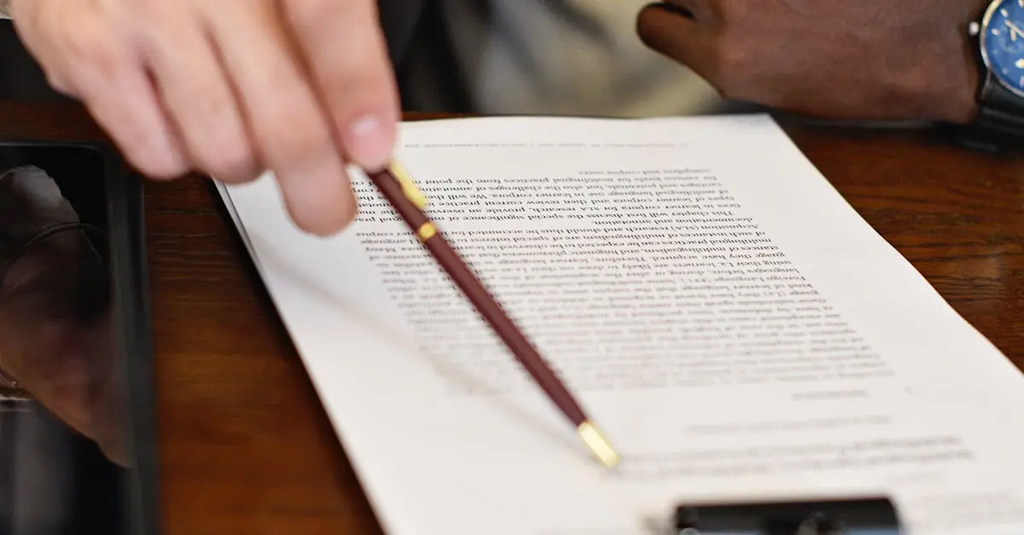
The Negotiation and Award Process in tender and procurement refers to the structured steps organizations follow to select suppliers or contractors. It begins after bids are received, involving evaluation of proposals, clarification of terms, and negotiation to secure the best value. Once terms are agreed upon, a formal contract or award is granted to the chosen bidder, ensuring compliance with organizational requirements, transparency, and fairness throughout the procurement cycle.
Negotiation and Award Process+50
The Negotiation and Award Process in tender and procurement refers to the structured steps organizations follow to select suppliers or contractors. It begins after bids are received, involving evaluation of proposals, clarification of terms, and negotiation to secure the best value. Once terms are agreed upon, a formal contract or award is granted to the chosen bidder, ensuring compliance with organizational requirements, transparency, and fairness throughout the procurement cycle.
💡 Key Takeaways
- Identify the stages of negotiation and how an award decision is typically reached.
- Learn how to prepare for negotiations, including setting objectives, BATNA, and acceptable concessions.
- Understand the evaluation criteria and process used to select an award (scoring, transparency, due diligence).
- Know how to finalize agreements, draft clear terms, and document commitments to avoid disputes.
❓ Frequently Asked Questions
What does negotiation mean in an award process?
Negotiation is the phase where the buyer and supplier discuss terms (price, scope, schedule) after initial proposals to reach a mutually acceptable contract.
What topics are commonly negotiated in an award process?
Common topics include price, payment terms, deliverables, timelines, warranties, service levels, and contract terms.
How is the final award decision made?
The decision is based on a documented evaluation of bids against predefined criteria (e.g., price, quality, capability, risk) and may involve ranking and approvals.
What happens after an award is announced?
The winning bidder signs the contract, implementation begins, and there may be debriefings for unsuccessful bidders; the contract outlines milestones, penalties, and acceptance criteria.