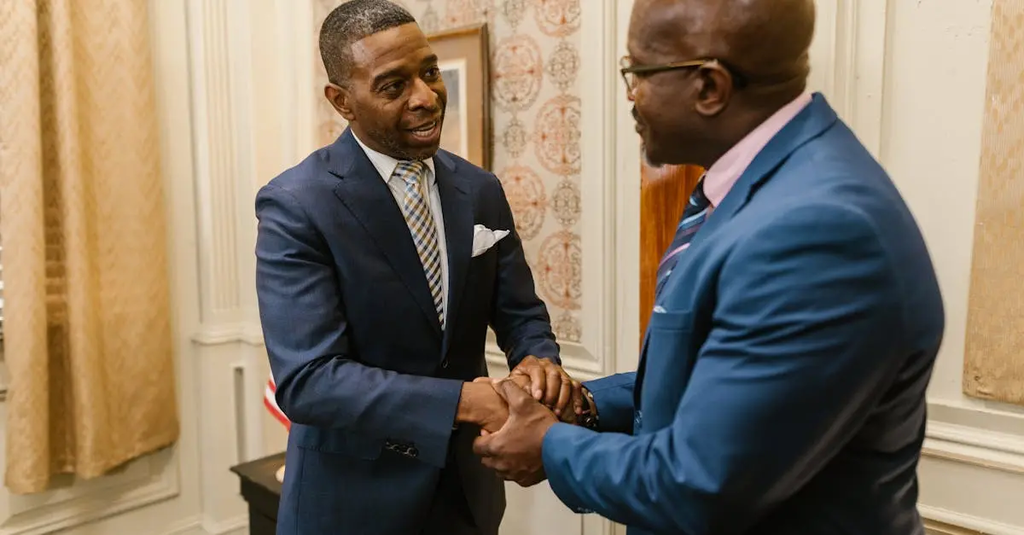
Negotiation role-plays are structured activities where participants simulate real-life negotiation scenarios to practice and develop their negotiation skills. Each participant assumes a specific role, such as buyer, seller, or mediator, and works through a scripted or improvised situation. These exercises help individuals improve communication, persuasion, problem-solving, and conflict resolution abilities, providing a safe environment to experiment with different strategies and receive feedback for continuous improvement in actual negotiation settings.
Negotiation Role-Plays
Negotiation role-plays are structured activities where participants simulate real-life negotiation scenarios to practice and develop their negotiation skills. Each participant assumes a specific role, such as buyer, seller, or mediator, and works through a scripted or improvised situation. These exercises help individuals improve communication, persuasion, problem-solving, and conflict resolution abilities, providing a safe environment to experiment with different strategies and receive feedback for continuous improvement in actual negotiation settings.
💡 Key Takeaways
- Understand how negotiation role-plays function as structured icebreakers to practice real-life negotiation tactics.
- Take on different roles (buyer, seller, mediator) to explore diverse perspectives and objectives.
- Practice core negotiation skills in scripted and improvised scenarios, including active listening, framing offers, and making concessions.
- Build quick rapport and a collaborative tone through icebreaker trivia activities before diving into negotiation.
❓ Frequently Asked Questions
What is the goal of negotiation role-plays?
To practice real world negotiation skills in a structured setting by adopting roles (buyer, seller, mediator) and working toward mutually acceptable outcomes.
How do icebreakers and get-to-know-you trivia help in these activities?
They reduce tension, build trust, and surface participant interests or constraints, making negotiations flow more naturally.
What roles might participants take in these scenarios?
Common roles include buyer, seller, mediator, and observer, each with specific objectives and constraints to simulate different negotiation dynamics.
How should a negotiation role-play be run and followed up with a debrief?
Present a clear scenario with goals and constraints, allow scripted or improvised dialogue within a time limit, then debrief to identify effective tactics, communication, and lessons learned.