Nephrology Fundamentals refers to the essential principles and concepts related to the study of the kidneys and their functions. It covers the anatomy and physiology of the kidneys, mechanisms of urine formation, fluid and electrolyte balance, and common kidney diseases. Understanding nephrology fundamentals is crucial for diagnosing and managing conditions like hypertension, chronic kidney disease, and acute renal failure, ensuring optimal kidney health and overall body homeostasis.
Nephrology Fundamentals
Nephrology Fundamentals refers to the essential principles and concepts related to the study of the kidneys and their functions. It covers the anatomy and physiology of the kidneys, mechanisms of urine formation, fluid and electrolyte balance, and common kidney diseases. Understanding nephrology fundamentals is crucial for diagnosing and managing conditions like hypertension, chronic kidney disease, and acute renal failure, ensuring optimal kidney health and overall body homeostasis.
💡 Key Takeaways
- Understand kidney structure and its role in filtering blood and producing urine.
- Explain urine formation through filtration, reabsorption, and secretion, and how this maintains fluid, electrolyte, and acid-base balance.
- Identify common kidney diseases, risk factors, and basic management concepts.
- Learn to interpret basic kidney health indicators from common tests and clinical signs.
❓ Frequently Asked Questions
What is nephrology?
Nephrology is the medical specialty that studies kidney structure and function and treats kidney diseases and related disorders.
What is the nephron and its main parts?
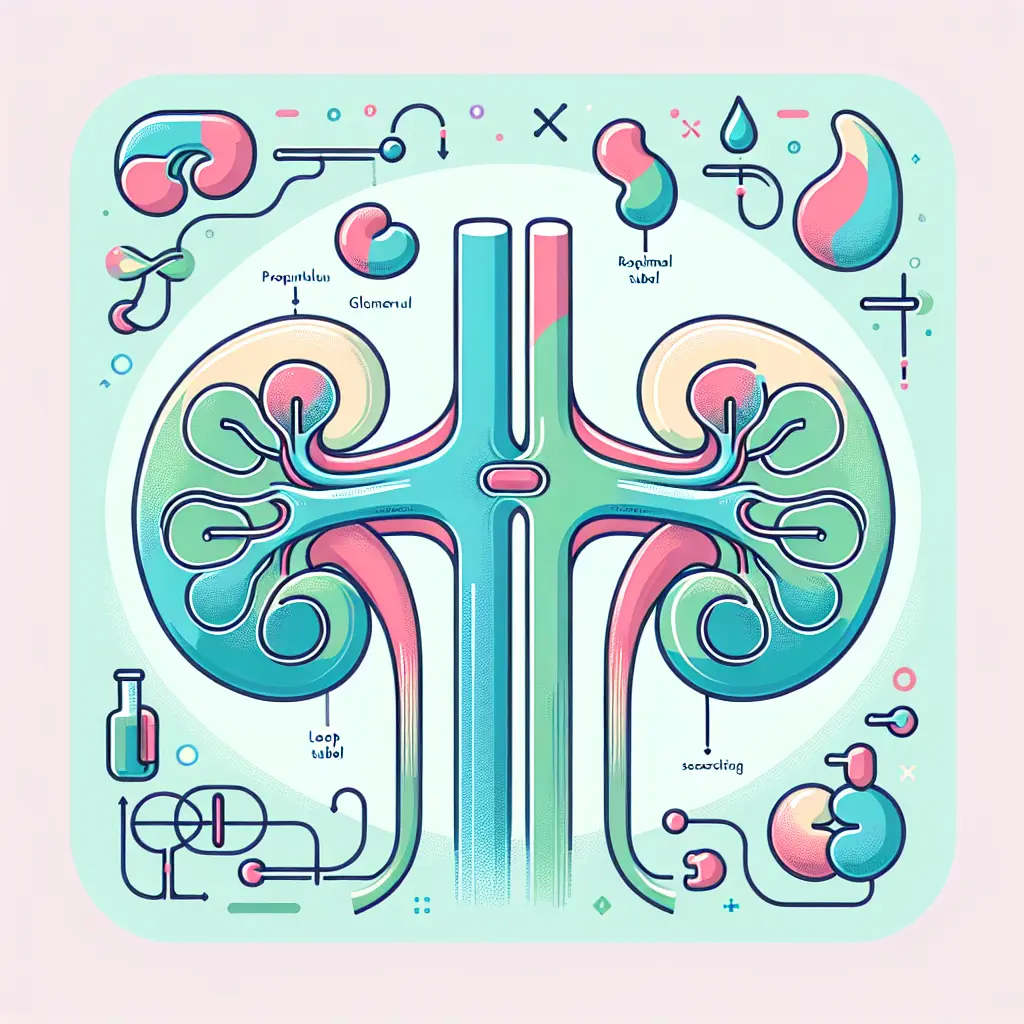
The nephron is the kidney’s functional unit, consisting of the glomerulus (filtration) and the tubular system (proximal tubule, loop of Henle, distal tubule, collecting duct) where filtrate is processed into urine.
How is urine formed?
Urine is formed by filtration at the glomerulus, reabsorption of water and solutes in the tubules, and secretion of waste into the filtrate; the collecting ducts concentrate or dilute urine as needed.
What is GFR and why is it important?
GFR, or glomerular filtration rate, measures how much blood is filtered by the kidneys each minute and is a key indicator of kidney function and disease stage.
What roles do kidneys play in fluid and electrolyte balance?
Kidneys maintain fluid and electrolyte balance by adjusting urine volume and composition (water, sodium, potassium, bicarbonate) to keep the body's internal environment stable.