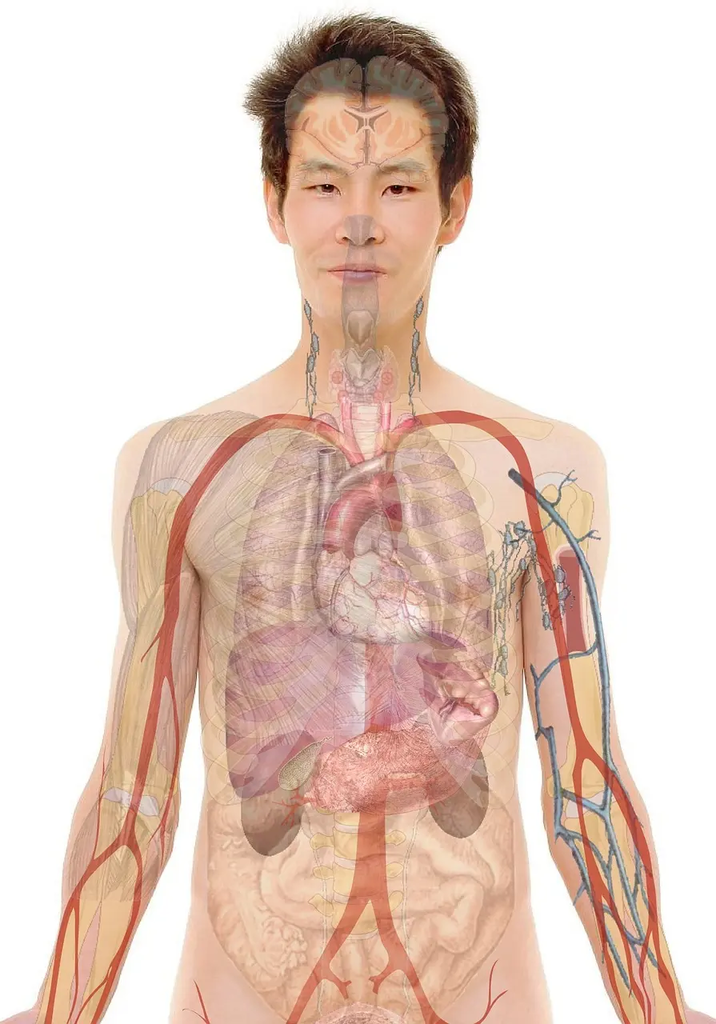
Nephrology research focuses on studying the kidneys, their functions, and related diseases within the human body. This field explores how kidneys filter blood, maintain fluid and electrolyte balance, and remove waste products. Researchers investigate causes, prevention, and treatment of kidney disorders such as chronic kidney disease, kidney stones, and hypertension. Understanding nephrology is essential for developing therapies that improve kidney health and overall bodily function.
Nephrology Research
Nephrology research focuses on studying the kidneys, their functions, and related diseases within the human body. This field explores how kidneys filter blood, maintain fluid and electrolyte balance, and remove waste products. Researchers investigate causes, prevention, and treatment of kidney disorders such as chronic kidney disease, kidney stones, and hypertension. Understanding nephrology is essential for developing therapies that improve kidney health and overall bodily function.

💡 Key Takeaways
- Understand kidney function and how researchers assess it (eGFR, creatinine, proteinuria)
- Identify major nephrology research areas (CKD progression, dialysis, transplantation, glomerular diseases)
- Learn common study designs and endpoints used in kidney research (RCTs, cohorts, biomarkers)
- Recognize key biomarkers and imaging techniques used in nephrology research
❓ Frequently Asked Questions
What is nephrology research?
Nephrology research studies kidney structure and function, disease mechanisms, and new treatments using clinical data, lab experiments, imaging, and trials to improve kidney health.
What is glomerular filtration rate (GFR) and why is it important in nephrology research?
GFR measures how much blood is filtered by the kidneys each minute. It is central for diagnosing and staging kidney disease and for assessing responses to therapies.
Which biomarkers are commonly used in kidney research?
Common biomarkers include serum creatinine, estimated GFR (eGFR), urine albumin-to-creatinine ratio (ACR), and cystatin C; newer markers like NGAL and KIM-1 indicate injury or inflammation.
Why are animal and cellular models used in nephrology research?
They help uncover disease mechanisms and test treatments in controlled settings before human trials.
What ethical considerations guide nephrology research?
Researchers must obtain informed consent, minimize risk, protect data privacy, ensure animal welfare, and follow regulatory approvals.