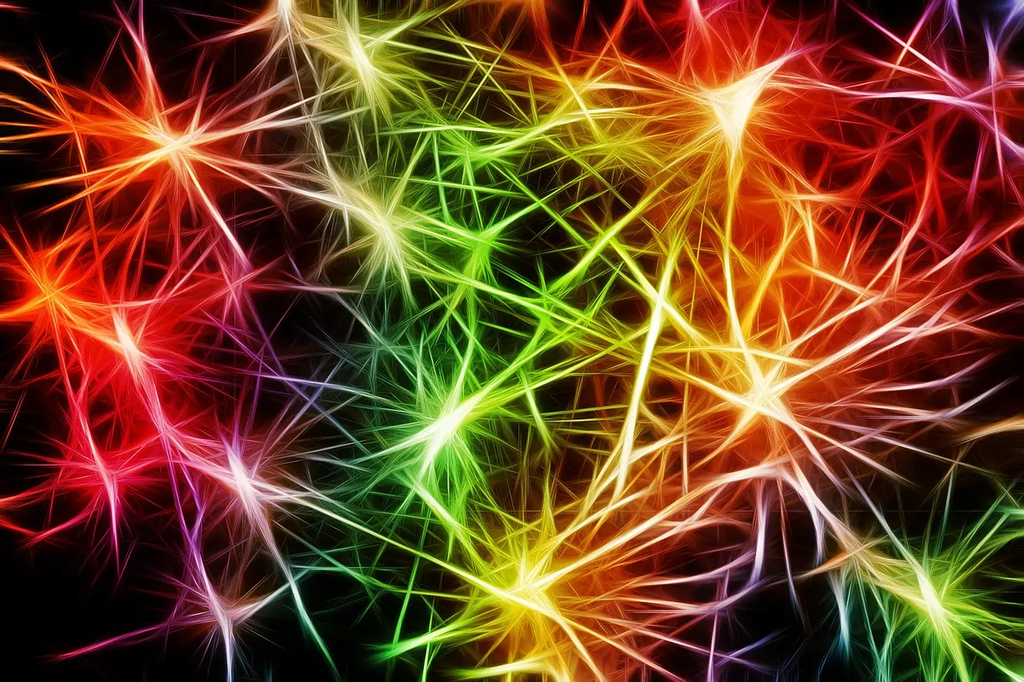
The nervous system is a complex network that controls and coordinates all body activities. It consists of the brain, spinal cord, and nerves. The brain acts as the control center, processing information and sending signals. The spinal cord carries messages between the brain and the rest of the body. Nerves branch out to organs and muscles, enabling sensation, movement, and response to stimuli, ensuring the body functions smoothly and efficiently.
Nervous System Basics+50
The nervous system is a complex network that controls and coordinates all body activities. It consists of the brain, spinal cord, and nerves. The brain acts as the control center, processing information and sending signals. The spinal cord carries messages between the brain and the rest of the body. Nerves branch out to organs and muscles, enabling sensation, movement, and response to stimuli, ensuring the body functions smoothly and efficiently.
💡 Key Takeaways
- Identify the major components of the nervous system (central and peripheral) and their roles.
- Understand how neurons work: structure, action potentials, and synaptic transmission.
- Explain how the brain and spinal cord process information and coordinate bodily responses.
- Distinguish between the somatic and autonomic nervous systems and give examples of their functions.
❓ Frequently Asked Questions
What are the main divisions of the nervous system and their roles?
The nervous system is split into the central nervous system (brain and spinal cord) for processing, and the peripheral nervous system (nerves outside the CNS) to connect the body to the CNS. The PNS includes the somatic (voluntary) and autonomic (involuntary) systems.
What is a neuron and what are its basic parts?
A neuron is a nerve cell that transmits signals. Its main parts are the cell body, dendrites (receive signals), and the axon (sends signals), often covered by a myelin sheath to speed transmission.
What is an action potential?
An action potential is a brief, rapid electrical impulse that travels along a neuron’s axon, triggered when the membrane potential reaches a threshold due to ion changes (e.g., sodium and potassium flow).
What are neurotransmitters and how do they function at synapses?
Neurotransmitters are chemical messengers released at synapses to pass signals to the next neuron or to a muscle/gland. They bind to receptors on the target cell and can either excite or inhibit it.