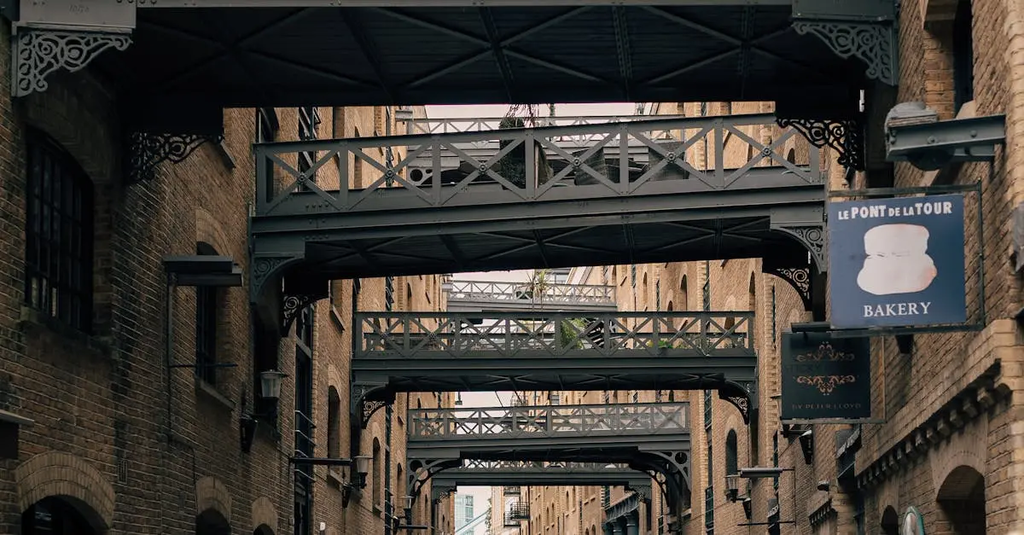
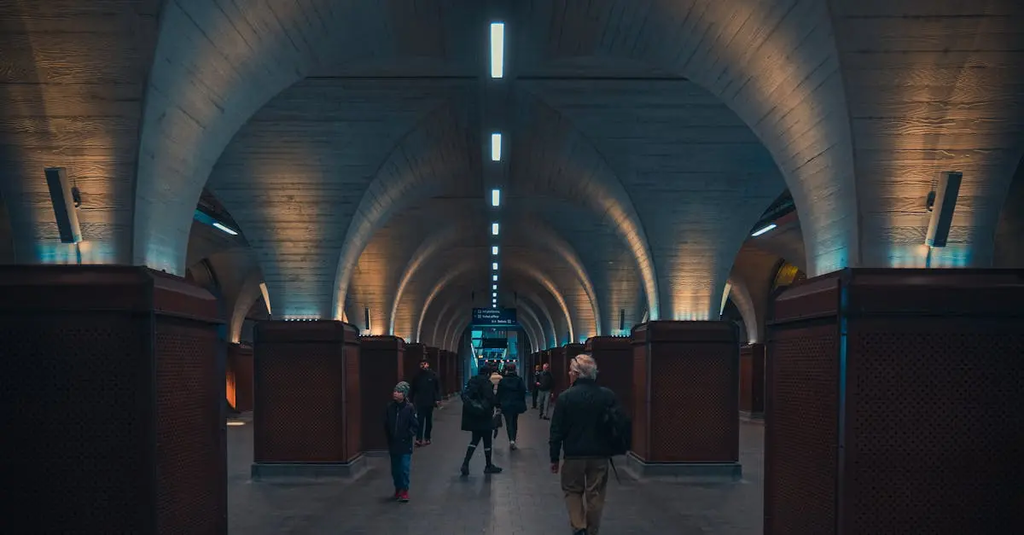
Net-zero urban design in the UK focuses on creating cities that balance carbon emissions with removal, aiming for sustainability in energy, transport, and buildings. The 15-minute city concept complements this by ensuring residents can access work, shops, healthcare, and recreation within a 15-minute walk or cycle from their homes. Together, these approaches promote reduced car dependency, greener infrastructure, improved air quality, and enhanced quality of urban life.
Net-zero urban design and 15-minute cities in the UK
Net-zero urban design in the UK focuses on creating cities that balance carbon emissions with removal, aiming for sustainability in energy, transport, and buildings. The 15-minute city concept complements this by ensuring residents can access work, shops, healthcare, and recreation within a 15-minute walk or cycle from their homes. Together, these approaches promote reduced car dependency, greener infrastructure, improved air quality, and enhanced quality of urban life.
💡 Key Takeaways
- Define net-zero urban design in the UK and how cities balance emissions with removals across energy, transport, and buildings.
- Describe the 15-minute city concept and how it lets residents access work, services, and recreation within a short travel radius in UK contexts.
- Identify UK planning tools and policies that support low-carbon, compact, and connected urban design.
- Discuss challenges and opportunities for delivering net-zero, 15-minute neighbourhoods in the UK, including retrofitting, grid capacity, and equity.
❓ Frequently Asked Questions
What does net-zero urban design mean in the UK?
It means designing cities so that total greenhouse gas emissions are balanced by removals, aiming for net zero across energy use, transport and buildings through efficiency, renewables, low-carbon transport and green infrastructure.
What is a 15-minute city and how does it relate to net-zero?
A 15-minute city aims to have most daily needs reachable within a 15-minute walk or bike ride, reducing car trips and transport emissions while supporting local economies.
What are the main components to achieve net-zero in energy, transport, and buildings?
Energy: efficiency improvements, on-site renewables, and low-carbon grids; Transport: walking, cycling, public transit, and electrification; Buildings: better insulation, heat pumps, district heating, and low-carbon materials.
What challenges might the UK face when applying these ideas?
Retrofits of ageing housing, funding for infrastructure, coordinating planning across regions, and ensuring equitable access to services in different cities.