Networking basics refer to the fundamental concepts and technologies used to connect computers and devices for communication. LAN (Local Area Network) connects devices within a limited area, like a home or office, enabling resource sharing and communication. WAN (Wide Area Network) spans larger geographic areas, connecting multiple LANs, often via public networks or leased lines. Understanding LAN and WAN is essential for building, managing, and troubleshooting modern computer networks.
Networking Basics (LAN/WAN)
Networking basics refer to the fundamental concepts and technologies used to connect computers and devices for communication. LAN (Local Area Network) connects devices within a limited area, like a home or office, enabling resource sharing and communication. WAN (Wide Area Network) spans larger geographic areas, connecting multiple LANs, often via public networks or leased lines. Understanding LAN and WAN is essential for building, managing, and troubleshooting modern computer networks.
💡 Key Takeaways
- Define LANs and how they connect devices in a home or office to share resources.
- Define WANs and how they connect networks over large geographic areas (often via the Internet).
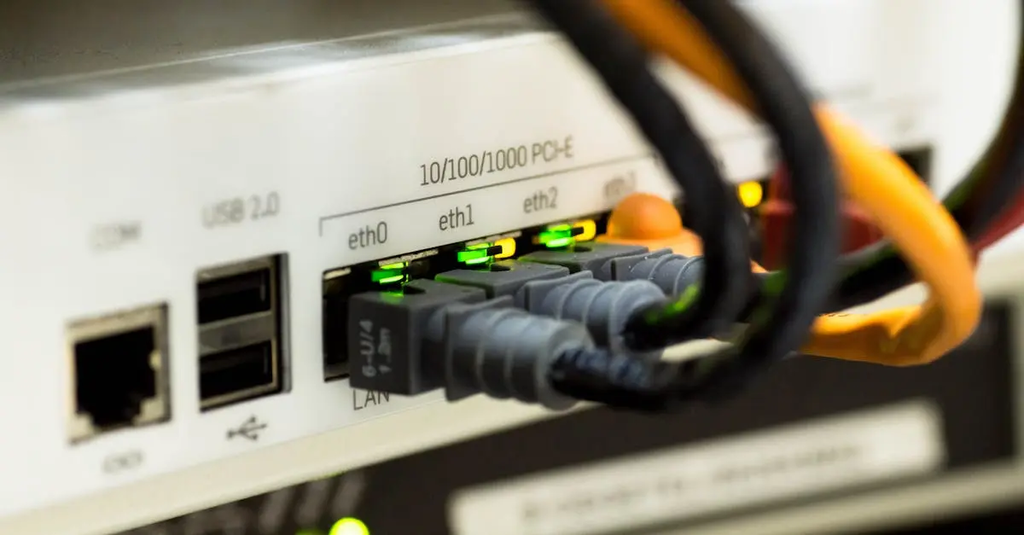
- Identify common networking hardware (routers, switches, cables, wireless access points) and their roles.
- Understand basic data transfer concepts (IP addresses, routing, and TCP/IP) in simple terms.
❓ Frequently Asked Questions
What is a Local Area Network (LAN)?
A LAN is a network that connects devices in a small area (home or office) to share resources like files, printers, and Internet access.
What is a Wide Area Network (WAN) and how does it differ from a LAN?
A WAN covers a large geographic area and links multiple LANs together, often using carrier networks or the Internet. It typically spans longer distances and may have slower, broader connectivity.
Which devices are commonly used to build and manage a LAN?
Key devices include switches (connect devices within a LAN), routers (connect LANs or to the Internet), and wireless access points for Wi-Fi.
What is an IP address and why is it important?
An IP address uniquely identifies a device on a network, enabling data to be routed to the correct destination across LANs and WANs.