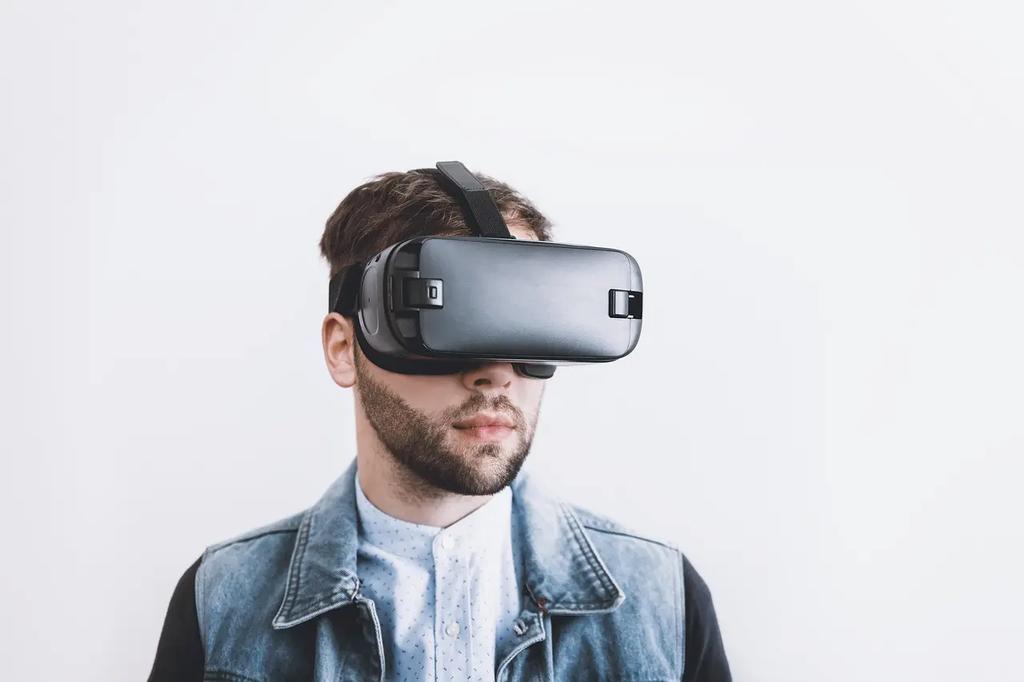
Neural interfaces for XR (Extended Reality) are advanced technologies that enable direct communication between the human brain and XR systems, such as virtual, augmented, or mixed reality. By interpreting neural signals, these interfaces allow users to control digital environments, interact with virtual objects, and receive feedback, all through thought or minimal physical movement. This enhances immersion, accessibility, and the overall user experience, pushing the boundaries of human-computer interaction.
Neural Interfaces for XR
Neural interfaces for XR (Extended Reality) are advanced technologies that enable direct communication between the human brain and XR systems, such as virtual, augmented, or mixed reality. By interpreting neural signals, these interfaces allow users to control digital environments, interact with virtual objects, and receive feedback, all through thought or minimal physical movement. This enhances immersion, accessibility, and the overall user experience, pushing the boundaries of human-computer interaction.
💡 Key Takeaways
- Understand how neural interfaces translate brain signals into controls for virtual, augmented, and mixed reality.
- Compare non-invasive (e.g., EEG) vs invasive (implants) sensing methods and their pros/cons for XR control.
- Explore space and future-tech use cases like hands-free operation, telepresence, and immersive astronaut training in XR.
- Identify challenges and considerations: latency, accuracy, safety, privacy, and ethical implications of neural XR.
❓ Frequently Asked Questions
What is a neural interface for XR?
A system that translates brain signals into commands for XR devices, enabling direct, hands-free control of virtual, augmented, or mixed reality environments.
How do neural interfaces read brain activity?
They use invasive methods (like electrode arrays) and noninvasive methods (such as EEG or near-infrared sensing) to detect neural signals, each with different levels of accuracy, risk, and practicality.
What are the benefits of neural interfaces in XR?
Faster, more natural control; enhanced accessibility for users with mobility limits; and richer, more immersive interactions with digital environments.
What are common challenges and considerations?
Safety and privacy concerns, variability in brain signals, calibration needs, potential latency, cost, and ethical questions about data collection and use.
How could neural interfaces impact space and future tech?
They could enable hands-free control of tools and robotics, improve telepresence and training, and help astronauts interact with complex systems in demanding environments.