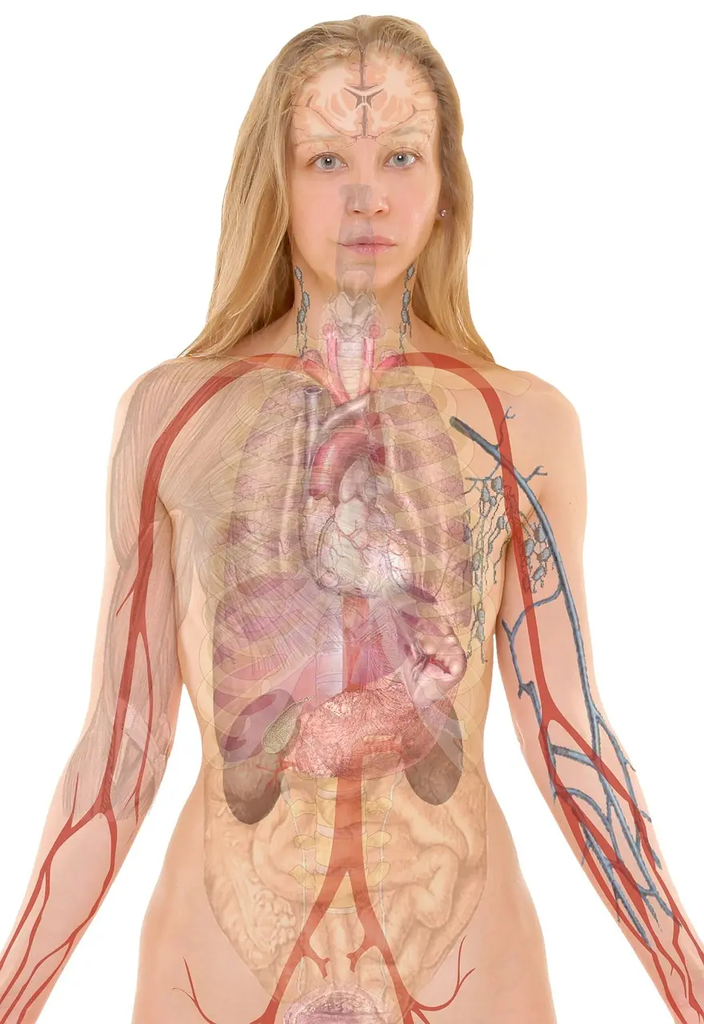
Neurological disorders are medical conditions that affect the brain, spinal cord, and nerves throughout the human body. These disorders can impact movement, communication, thinking, and overall bodily function. Common examples include epilepsy, Parkinson’s disease, multiple sclerosis, and Alzheimer’s disease. Symptoms vary widely, ranging from muscle weakness and paralysis to memory loss and seizures. Neurological disorders can be caused by genetics, injury, infections, or environmental factors, and often require specialized medical care for management and treatment.
Neurological Disorders
Neurological disorders are medical conditions that affect the brain, spinal cord, and nerves throughout the human body. These disorders can impact movement, communication, thinking, and overall bodily function. Common examples include epilepsy, Parkinson’s disease, multiple sclerosis, and Alzheimer’s disease. Symptoms vary widely, ranging from muscle weakness and paralysis to memory loss and seizures. Neurological disorders can be caused by genetics, injury, infections, or environmental factors, and often require specialized medical care for management and treatment.
💡 Key Takeaways
- Identify the main categories of neurological disorders (e.g., stroke, epilepsy, neurodegenerative diseases) with simple examples.
- Recognize common neurological symptoms and red flags that warrant medical evaluation.
- Learn the standard steps in diagnosing neurological conditions (patient history, neurological examination, imaging, and tests).
- Understand general treatment goals and lifestyle factors that support management and brain health.
❓ Frequently Asked Questions
What is a neurological disorder?
A broad category of conditions that affect the brain, spinal cord, or nerves. They include structural problems (like stroke or tumors), degenerative diseases (such as Alzheimer's or Parkinson's), and functional disorders (like epilepsy or migraines). Symptoms vary widely.
What are common warning signs of a neurological problem?
Sudden weakness or numbness, especially on one side; trouble speaking or understanding speech; vision changes; severe or sudden headache; confusion; dizziness or loss of balance; seizures. Seek emergency care if stroke symptoms are suspected.
How are neurological disorders diagnosed?
Diagnosis typically involves medical history and a neurological exam, followed by tests such as MRI or CT scans, EEG, nerve conduction studies, blood tests, lumbar puncture, or genetic testing, depending on the condition.
What are common treatments?
Treatment depends on the disorder and may include medications, surgery, rehabilitation (physical, occupational, speech therapy), lifestyle changes, and ongoing monitoring to manage symptoms and improve quality of life.
What factors can influence risk, and can they be addressed?
Some risks are genetic or age-related, but controllable factors include high blood pressure, diabetes, smoking, obesity, head injuries, and lack of exercise. Managing these can reduce risk for certain neurological conditions.