The New Hollywood of the 1970s marked a transformative era in American cinema when creative control shifted from studio executives to visionary directors. Filmmakers like Martin Scorsese, Francis Ford Coppola, and Steven Spielberg gained unprecedented artistic freedom, resulting in bold, innovative storytelling and experimentation. This period produced iconic films that reflected contemporary social issues, disrupted traditional filmmaking norms, and redefined the director’s role as the primary creative force behind a movie’s success.
New Hollywood of the 1970s: Power Shifts to Directors
The New Hollywood of the 1970s marked a transformative era in American cinema when creative control shifted from studio executives to visionary directors. Filmmakers like Martin Scorsese, Francis Ford Coppola, and Steven Spielberg gained unprecedented artistic freedom, resulting in bold, innovative storytelling and experimentation. This period produced iconic films that reflected contemporary social issues, disrupted traditional filmmaking norms, and redefined the director’s role as the primary creative force behind a movie’s success.
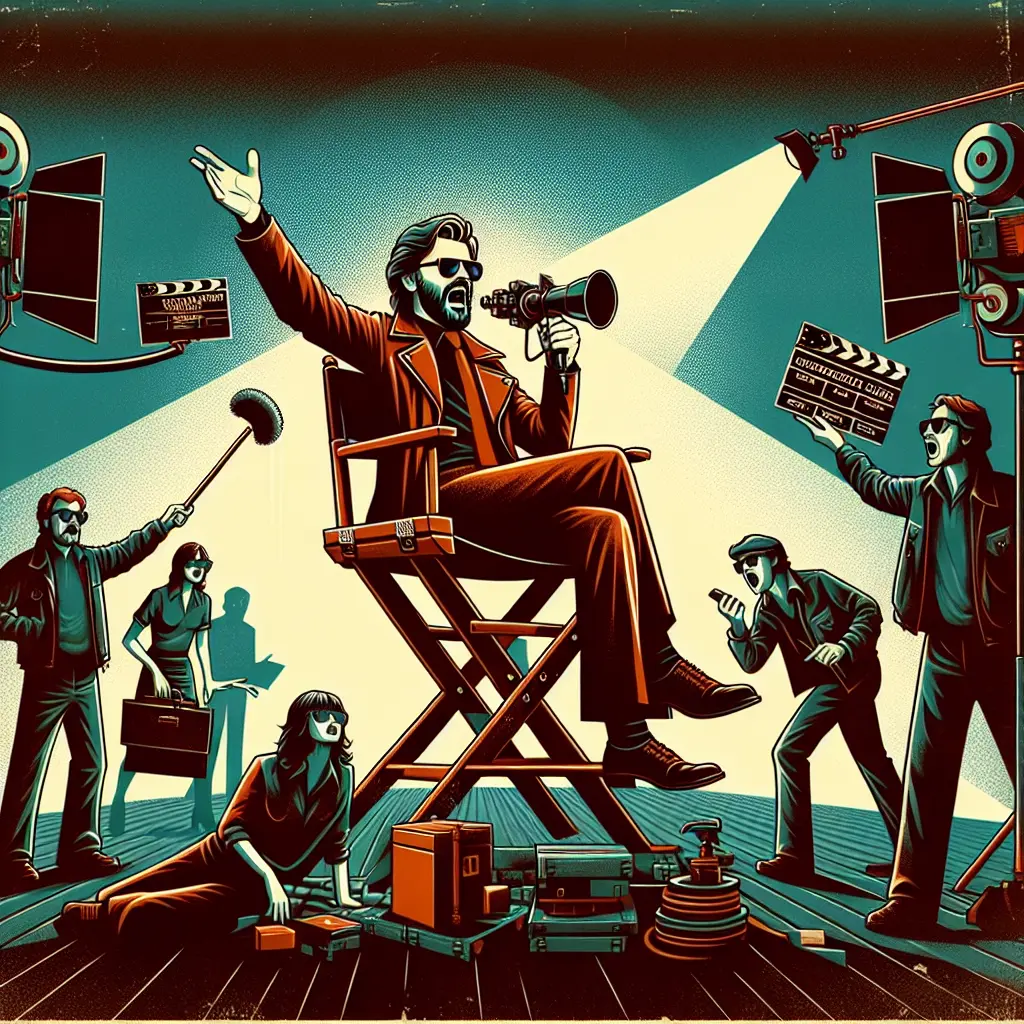
💡 Key Takeaways
- Understand why the 1970s New Hollywood shifted creative control from studios to directors and what that change meant for film production.
- Identify hallmark traits of New Hollywood films (gritty realism, on-location shooting, antiheroes, and experimental storytelling).
- See how directors like Scorsese, Coppola, and Spielberg embodied this shift and influenced production choices and risk-taking.
- Compare New Hollywood with the classic studio era and explain its lasting impact on modern, director-led filmmaking.
❓ Frequently Asked Questions
What does "New Hollywood" refer to?
A period roughly from the late 1960s to the early 1980s when directors gained greater creative control, leading to more personal, experimental films beyond traditional studio formulas.
Why did control shift from studio executives to directors in the 1970s?
Financial pressures, audience demand for fresh voices, the decline of the old studio system, and new independent financing allowed directors to pursue their visions.
Which filmmakers are most associated with New Hollywood?
Notable figures include Martin Scorsese, Francis Ford Coppola, and Steven Spielberg, who produced landmark, director-driven works.
How did New Hollywood change film style and storytelling?
It favored realism, character-driven narratives, anti-heroes, on-location shooting, and innovative techniques reflecting directors' personal visions.
What impact did this era have on the film industry after the 1970s?
It popularized the auteur-driven approach and influenced the rise of high-profile blockbusters, reshaping financing, production practices, and the director–studio relationship.