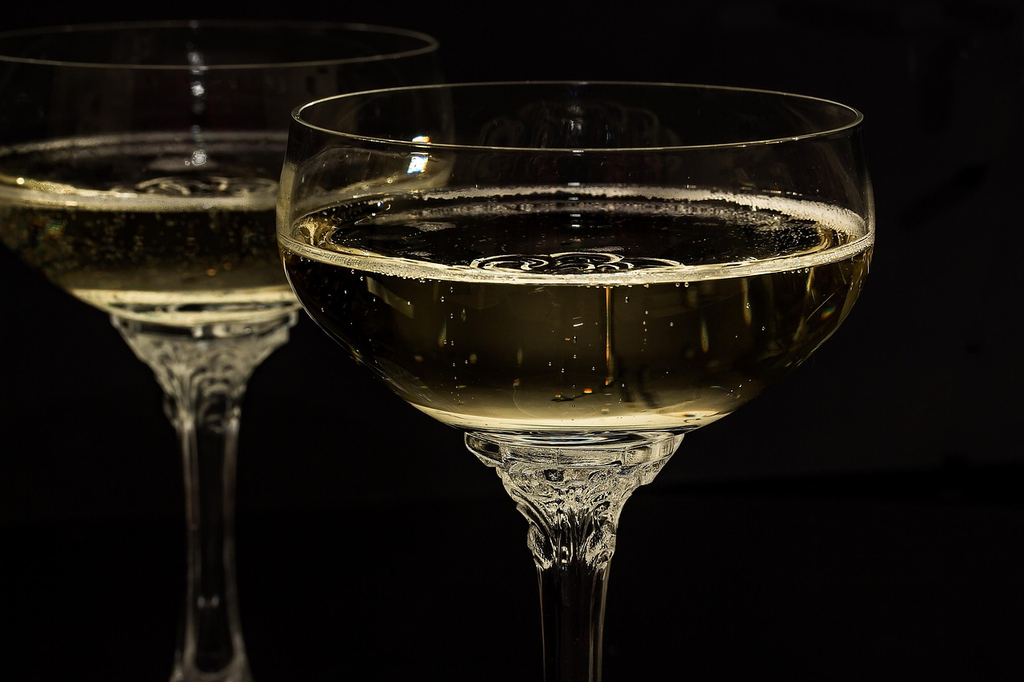
New Year's Eve is widely celebrated with parties and gatherings, where alcohol consumption is a common tradition. People often toast with champagne or other drinks at midnight to welcome the new year. This festive atmosphere encourages social drinking, sometimes leading to excessive consumption. While it can enhance the celebratory mood, it also raises concerns about responsible drinking and safety, making moderation and planning important aspects of New Year's Eve festivities.
New Year's Eve and Alcohol Consumption
New Year's Eve is widely celebrated with parties and gatherings, where alcohol consumption is a common tradition. People often toast with champagne or other drinks at midnight to welcome the new year. This festive atmosphere encourages social drinking, sometimes leading to excessive consumption. While it can enhance the celebratory mood, it also raises concerns about responsible drinking and safety, making moderation and planning important aspects of New Year's Eve festivities.
💡 Key Takeaways
- Understand how alcohol affects safety, coordination, and decision-making in New Year celebrations.
- Learn standard drink sizes and recommended limits to gauge responsible consumption.
- Explore practical strategies for celebrating safely (hydration, pacing, non-alcoholic options, designated driver or rideshare).
- Recognize signs of impairment and know steps to take if someone is overserved or if you should stop drinking.
❓ Frequently Asked Questions
What is a standard drink and how much alcohol does it contain?
A standard drink contains about 14 grams of pure alcohol. Examples: beer (12 oz/355 ml at ~5% ABV), wine (5 oz/150 ml at ~12% ABV), or a shot (1.5 oz/45 ml) of distilled spirits at ~40% ABV.
How does alcohol affect judgment and coordination, especially on New Year's Eve?
Alcohol can impair balance, reaction time, and decision-making, increasing the risk of accidents, injuries, and unsafe choices in crowded celebrations.
What practical steps help you celebrate safely without overdoing it?
Eat before and while drinking, pace yourself, alternate with water or non-alcoholic drinks, set a limit, and arrange a designated driver or rideshare home.
What are safe alternatives or strategies for toasting and celebrating without alcohol?
Try alcohol-free options, mocktails, sparkling water with a splash of juice, and focus on activities and social time. You can still toast with non-alcoholic drinks and plan a safe ride home.