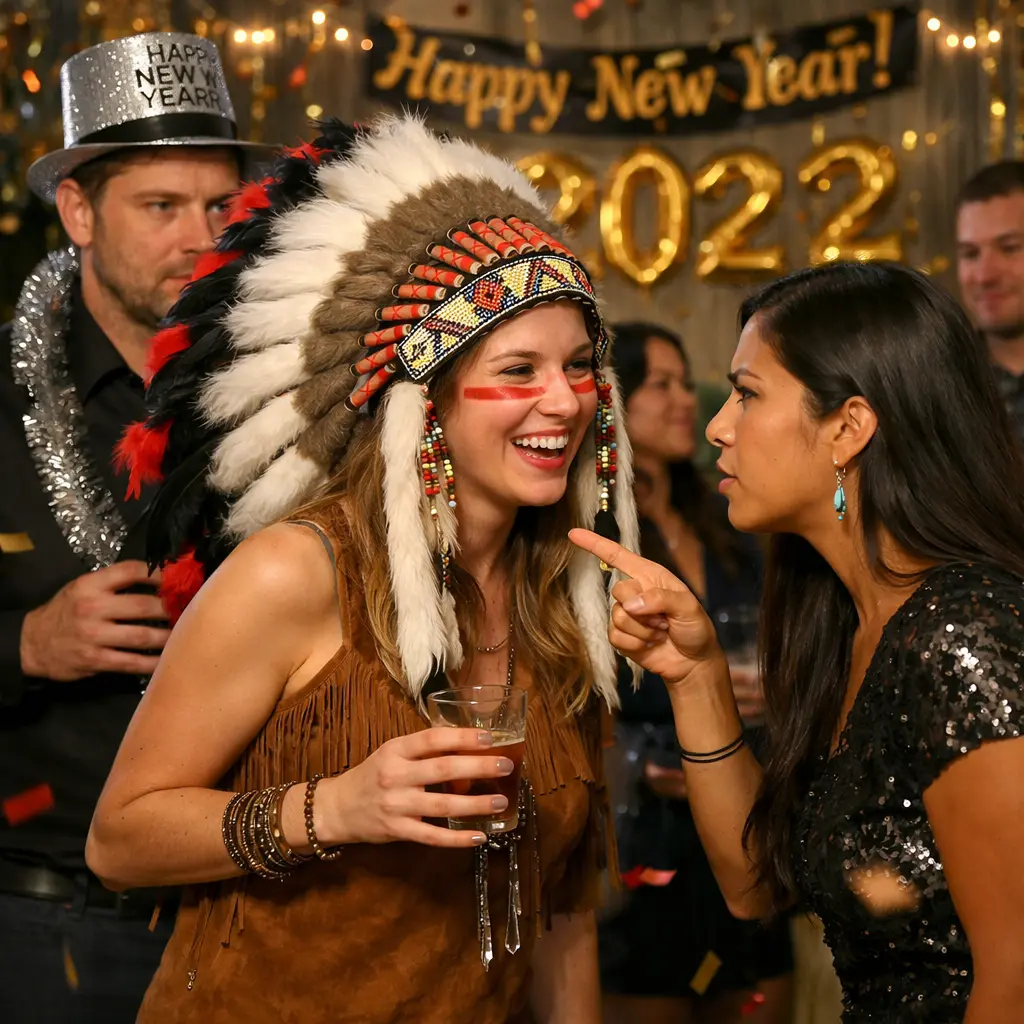
New Year's Eve is celebrated worldwide with diverse traditions reflecting each culture's unique customs. Cultural appropriation occurs when elements of one culture are adopted by another, often without understanding or respecting their original significance. On New Year's Eve, this can happen when people use traditional attire, rituals, or symbols from other cultures solely for entertainment, disregarding their meaning. Such actions can lead to misunderstandings, stereotyping, and disrespect toward the original culture.
New Year's Eve and Cultural Appropriation
New Year's Eve is celebrated worldwide with diverse traditions reflecting each culture's unique customs. Cultural appropriation occurs when elements of one culture are adopted by another, often without understanding or respecting their original significance. On New Year's Eve, this can happen when people use traditional attire, rituals, or symbols from other cultures solely for entertainment, disregarding their meaning. Such actions can lead to misunderstandings, stereotyping, and disrespect toward the original culture.
💡 Key Takeaways
- Define cultural appropriation and how it can show up in New Year's Eve celebrations.
- Differentiate between cultural appreciation and cultural appropriation in festive contexts.
- Identify common examples of borrowed cultural elements in NYE and evaluate their impact.
- Learn respectful, practical guidelines for engaging with diverse traditions during New Year's Eve.
❓ Frequently Asked Questions
What is cultural appropriation in the context of New Year's Eve?
Using elements from another culture (clothing, symbols, rituals) in a way that ignores their meaning or causes harm, often for fashion or party themes rather than respectful understanding.
How can you tell if an item or tradition is appreciation rather than appropriation?
Appreciation involves learning about the culture, giving credit to its origins, avoiding stereotypes, and seeking permission or collaboration; appropriation borrows without context or respect.
What are respectful alternatives for New Year's Eve outfits or decorations?
Choose festive attire or decor that isn’t tied to another culture’s sacred symbols, opt for elements from your own culture, or support artists from the culture with informed choices.
How can you celebrate culturally diverse traditions on New Year’s Eve respectfully?
Attend events hosted by members of the culture, ask respectful questions, and support legitimate cultural organizations or artisans rather than borrowing meaningful items without consent.