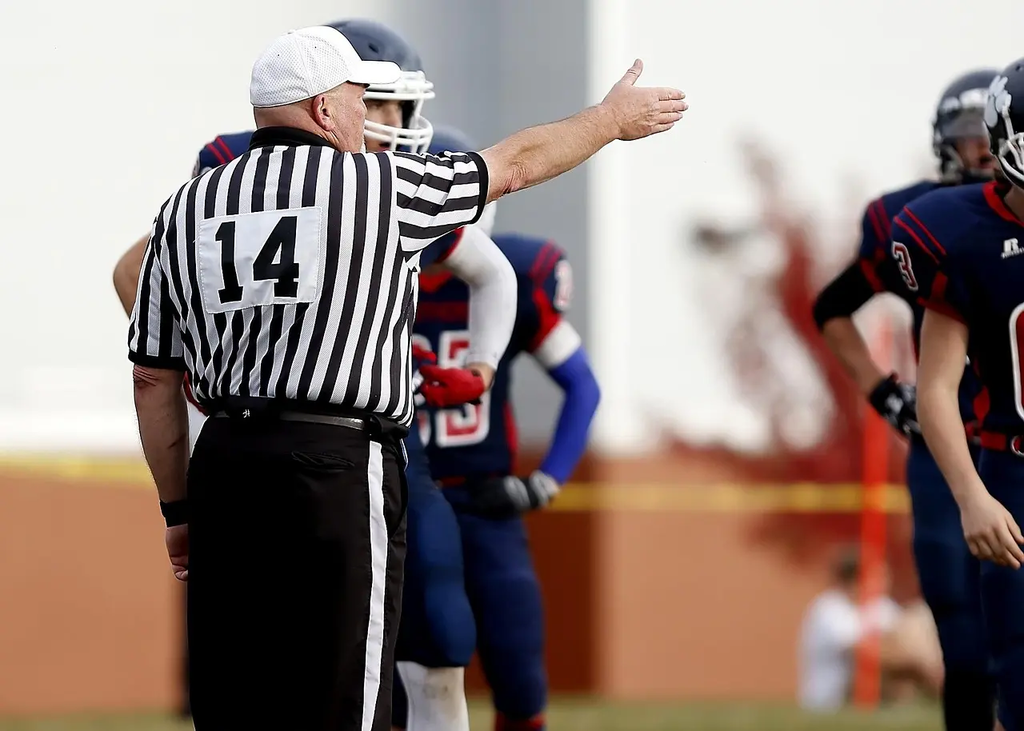
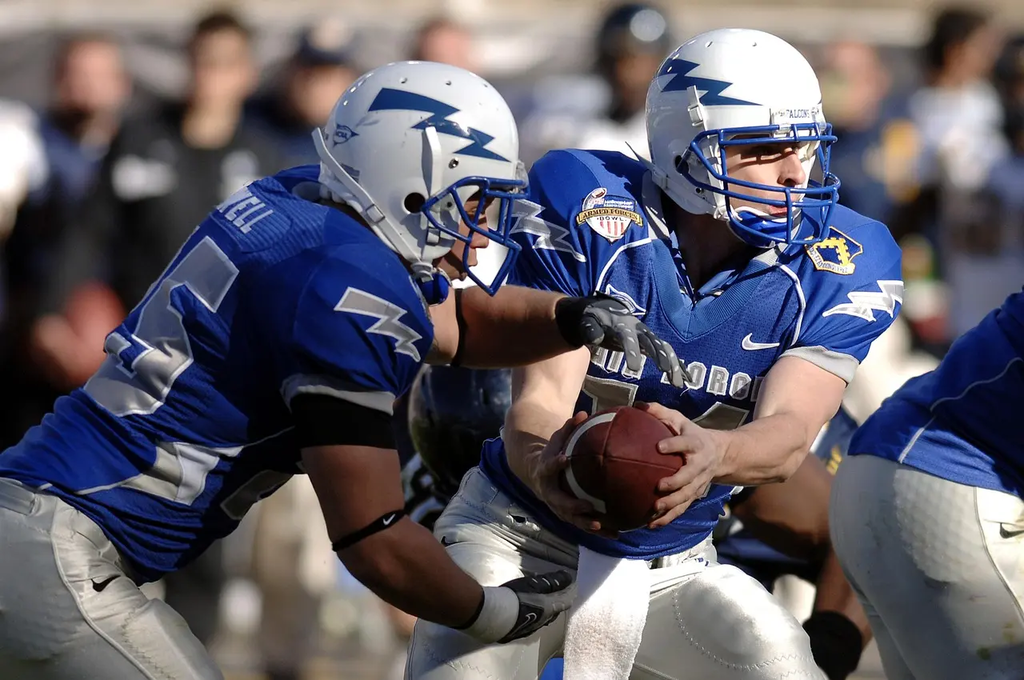
"Nickel, Dime, and Sub-Packages" refer to defensive strategies in American football. The "Nickel" package uses five defensive backs, while the "Dime" package employs six, both designed to counter passing plays. "Sub-packages" is a broader term for any defensive alignment that substitutes extra defensive backs or linebackers for linemen, allowing teams to adapt to specific offensive threats and enhance coverage against multiple wide receivers.
Nickel Dime and Sub-Packages
"Nickel, Dime, and Sub-Packages" refer to defensive strategies in American football. The "Nickel" package uses five defensive backs, while the "Dime" package employs six, both designed to counter passing plays. "Sub-packages" is a broader term for any defensive alignment that substitutes extra defensive backs or linebackers for linemen, allowing teams to adapt to specific offensive threats and enhance coverage against multiple wide receivers.

💡 Key Takeaways
- Identify what 'nickel' and 'dime' defenses are and how many defensive backs they deploy (five for nickel, six for dime).
- Explain why teams use sub-packages to defend against passing plays and how this shifts balance between coverage and run support.
- Describe how the roles and positioning of players shift in nickel/dime packages compared to a base defense (extra defensive backs, different alignments for safeties/ cornerbacks).
- Discuss common game situations for deploying nickel, dime, and other sub-packages and the trade-offs involved (better pass defense, potential vulnerability to the run).
❓ Frequently Asked Questions
What is the nickel package in American football?
A defensive formation with five defensive backs, typically created by substituting an extra defensive back for a linebacker to better defend against the pass.
What is the dime package in American football?
A defensive formation with six defensive backs, used to stop heavy passing attacks by adding more cover players, often by replacing linebackers or linemen.
What are sub-packages in football defense?
Any defensive alignment that substitutes extra defensive backs or players from the base package, such as nickel or dime, to fit the matchup or situation.
When would a team use nickel vs. dime?
Nickel is common against three-receiver sets to improve pass coverage while maintaining run defense; dime is used in obvious passing situations or four-plus receiver sets to maximize pass coverage.