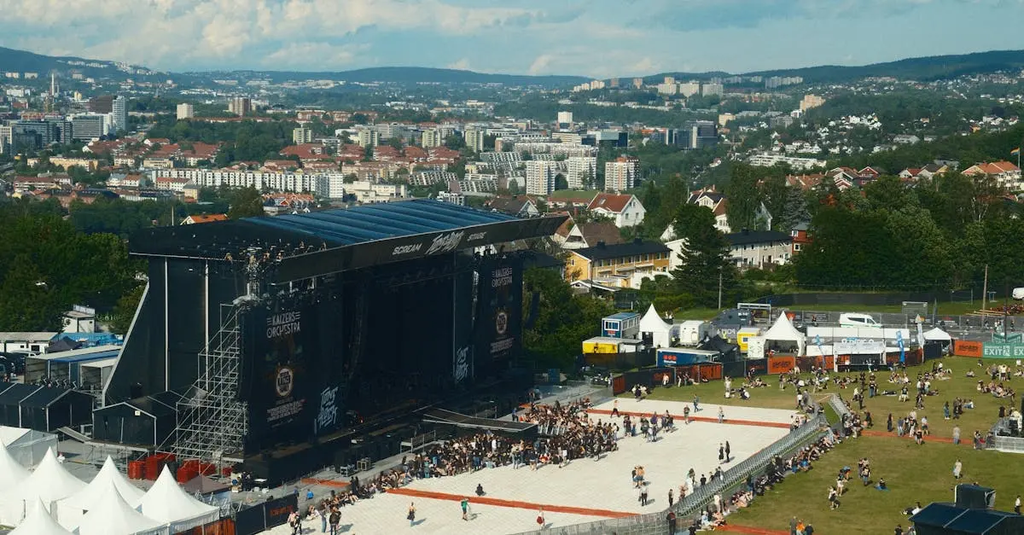
Nightlife photography and lighting involve capturing vibrant, dynamic scenes in low-light environments such as clubs, bars, and evening events. Photographers use specialized lighting techniques, including flash, ambient light, and colored LEDs, to highlight subjects and create dramatic effects. Mastery of exposure, shutter speed, and ISO settings is essential to balance artificial and natural light, ensuring sharp, visually striking images that reflect the energy and atmosphere of nighttime social gatherings.
Nightlife Photography & Lighting
Nightlife photography and lighting involve capturing vibrant, dynamic scenes in low-light environments such as clubs, bars, and evening events. Photographers use specialized lighting techniques, including flash, ambient light, and colored LEDs, to highlight subjects and create dramatic effects. Mastery of exposure, shutter speed, and ISO settings is essential to balance artificial and natural light, ensuring sharp, visually striking images that reflect the energy and atmosphere of nighttime social gatherings.
💡 Key Takeaways
- Balance ambient club lighting with flash to keep subjects well-lit while preserving the dynamic atmosphere.
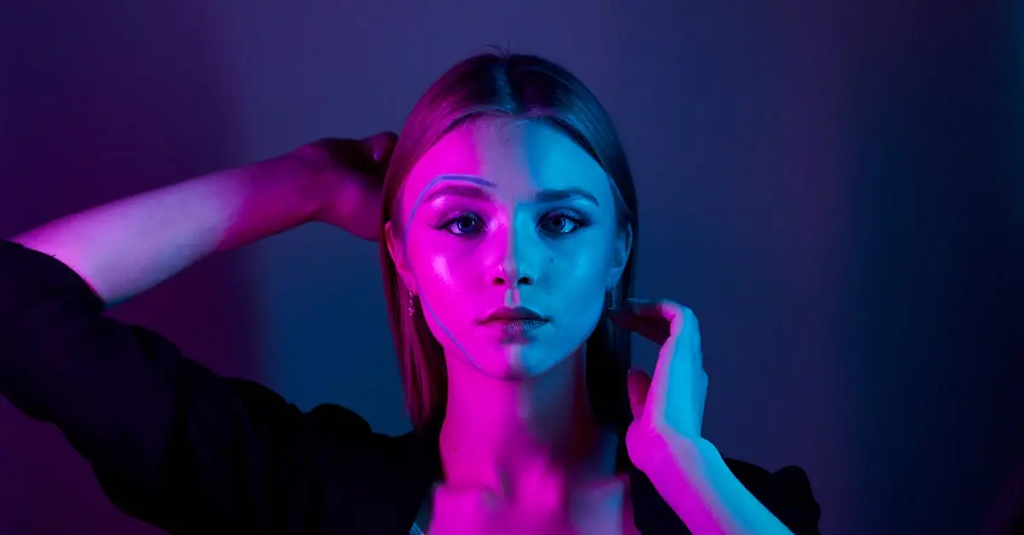
- Use flash options (on-camera, off-camera, bounce) and color gels to shape light and avoid flat portraits.
- Control motion with shutter speed and ISO to freeze or convey action in busy party scenes.
- Master white balance and color management when mixing LED, neon, and tungsten lighting for natural skin tones.
- Navigate ethics and consent when photographing people at hen, stag, and party nights, and respect privacy.
❓ Frequently Asked Questions
What is nightlife photography?
Nightlife photography captures scenes in low-light venues like clubs and bars, focusing on atmosphere, color, and motion using fast lenses and camera settings that preserve energy without washing out colors.
What lighting techniques are commonly used in nightlife photography?
Use ambient light to keep the mood, and add light with flash or off-camera strobes. Colored LEDs and light modifiers (bounce, diffusers) help sculpt subjects and create drama.
How do you expose and keep subjects sharp in low light?
Shoot with a wide aperture (low f-number), a shutter speed that minimizes blur (roughly 1/60–1/200 s), and a higher ISO. Shoot RAW for better post-processing and use fast lenses if possible.
How do you balance flash and ambient light to achieve dramatic effects?
Expose for the ambient mood and set flash to illuminate the subject without overpowering the scene. Use manual flash or TTL, adjust flash power, and consider gels or bounce to match color temperature.