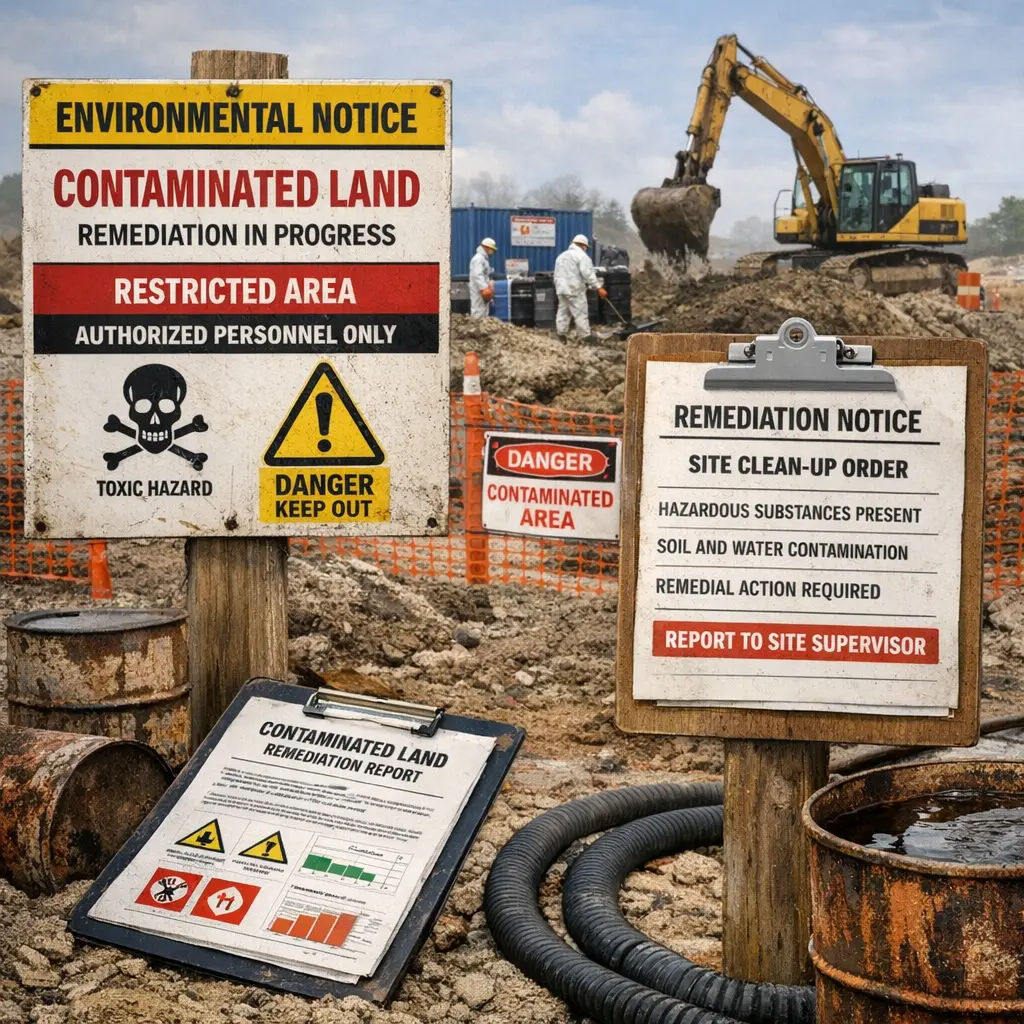
Noise, dust, and vibration statutory controls on sites refer to legal and regulatory requirements that construction and industrial sites must follow to minimize environmental and health impacts. These controls set permissible limits for noise levels, dust emissions, and ground vibrations to protect workers, nearby residents, and the environment. Compliance involves monitoring, implementing mitigation measures, and adhering to local, national, or international standards to avoid legal penalties and ensure safe, responsible site operations.
Noise, dust, and vibration statutory controls on sites
Noise, dust, and vibration statutory controls on sites refer to legal and regulatory requirements that construction and industrial sites must follow to minimize environmental and health impacts. These controls set permissible limits for noise levels, dust emissions, and ground vibrations to protect workers, nearby residents, and the environment. Compliance involves monitoring, implementing mitigation measures, and adhering to local, national, or international standards to avoid legal penalties and ensure safe, responsible site operations.
💡 Key Takeaways
- Understand the statutory requirements for controlling noise, dust, and vibration on worksites and who is responsible for compliance.
- Conduct risk assessments and apply the hierarchy of controls (engineering controls, administrative measures, and PPE) to reduce exposure.
- Implement monitoring and record-keeping methods to demonstrate compliance with noise, dust, and vibration limits and action levels.
- Plan communication, scheduling, and stakeholder engagement to minimize nuisance and ensure timely notifications to workers, nearby residents, and authorities.
❓ Frequently Asked Questions
What do statutory controls on noise, dust, and vibration on sites require?
They set legal limits and mandatory measures to reduce nuisance and health risks from construction activities, covering noise levels, dust emissions, and vibrations to protect workers and nearby people.
How are noise and dust typically measured for compliance?
Noise is usually measured in decibels (dB) using approved monitoring methods, often with A-weighting (dB(A)); dust is assessed by air concentrations or nuisance thresholds. Exact limits and methods depend on local regulations.
What common controls help meet these requirements on a site?
Use well-maintained, quiet equipment; install barriers and enclosures; limit high-noise tasks to daytime hours; apply dust suppression (water sprays, enclosures); keep sites clean and covered; monitor vibrations and adjust activities as needed.
What can happen if a site does not comply with these controls?
Authorities may issue penalties, fines, stop-work orders, or corrective action notices, and non-compliance can lead to reputational harm and increased scrutiny.