Non-destructive editing workflows in visual arts and design involve techniques that preserve the original image or design elements while making changes. This approach uses layers, masks, adjustment layers, and smart objects, allowing artists to experiment, revise, or revert edits without permanently altering the source material. Non-destructive workflows enhance flexibility, encourage creative exploration, and ensure higher quality outcomes by maintaining the integrity of the original work throughout the editing process.
Non-Destructive Editing Workflows
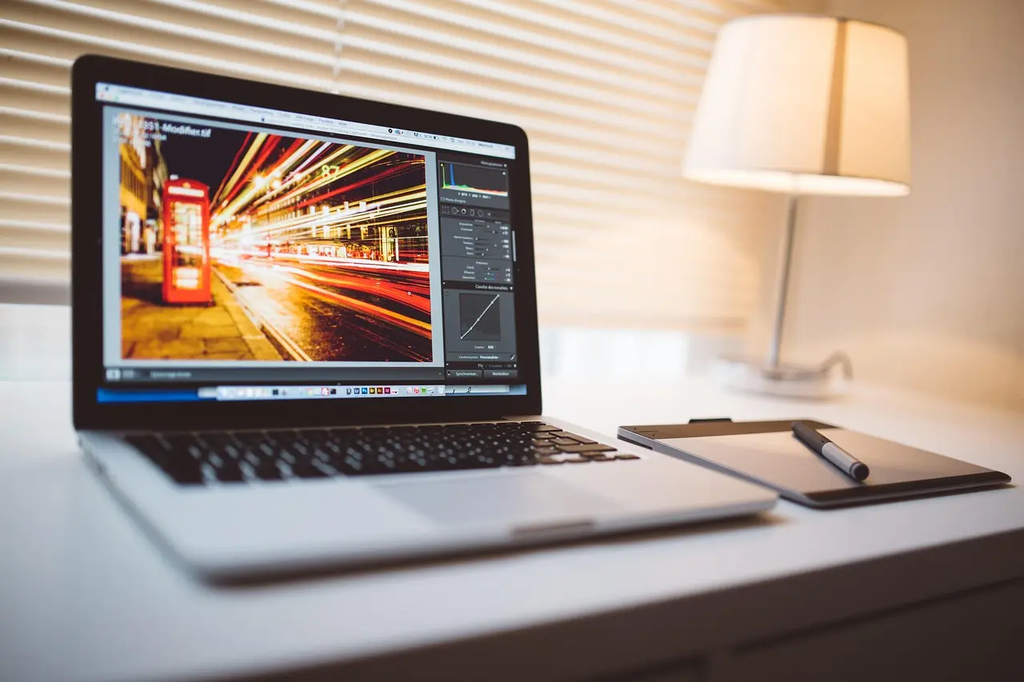
Non-destructive editing workflows in visual arts and design involve techniques that preserve the original image or design elements while making changes. This approach uses layers, masks, adjustment layers, and smart objects, allowing artists to experiment, revise, or revert edits without permanently altering the source material. Non-destructive workflows enhance flexibility, encourage creative exploration, and ensure higher quality outcomes by maintaining the integrity of the original work throughout the editing process.
💡 Key Takeaways
- Understand the concept of non-destructive editing and how it preserves the original media.
- Identify and apply common non-destructive techniques (adjustment layers, smart objects, masks, and non-destructive filters).
- Build a repeatable workflow that lets you tweak edits without losing data or quality across projects.
- Use versioning concepts like history, snapshots, and non-destructive export strategies to manage changes and revert when needed.
❓ Frequently Asked Questions
What is non-destructive editing?
Editing that preserves the original pixel data by using layers, masks, adjustment layers, and smart objects that can be revised or removed later.
How do adjustment layers and masks support non-destructive editing?
Adjustment layers apply changes to layers beneath without permanently changing pixels, and masks control where those edits appear, allowing precise, reversible edits.
What are smart objects and why use them in non-destructive workflows?
Smart objects keep the original image data intact, enabling non-destructive scaling, filtering, and transforms that can be adjusted without quality loss.
What practices help maintain a non-destructive workflow?
Work with RAW files, edit with layers/masks and smart objects, use smart filters, and save as a layered format (e.g., PSD/TIFF) to preserve editability.