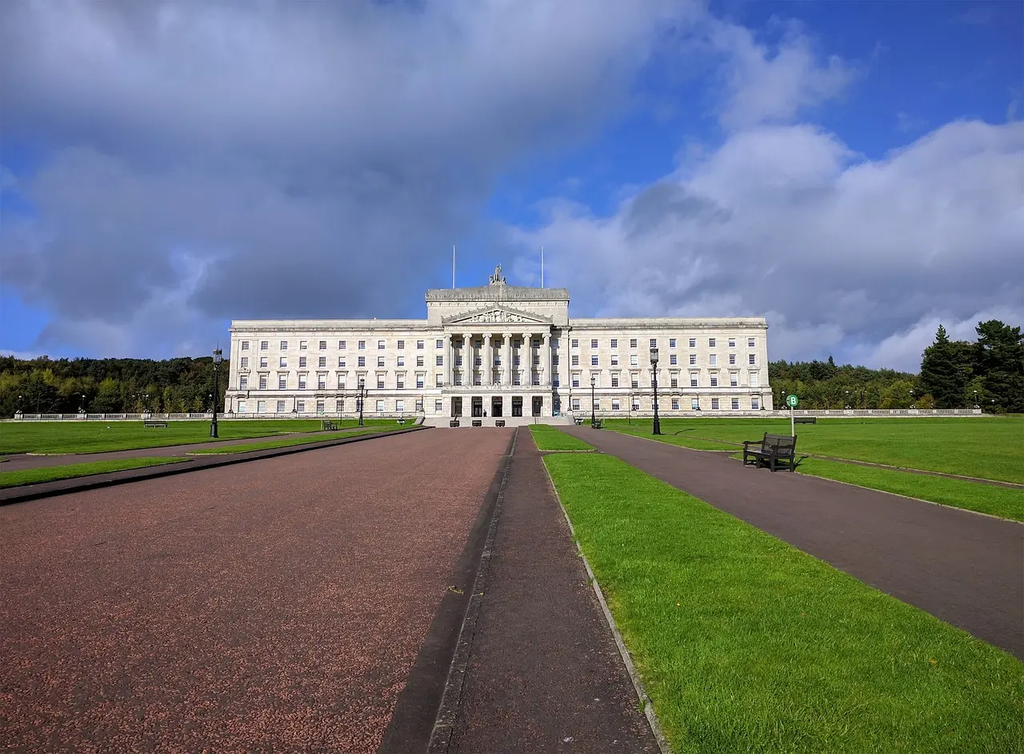
The Northern Ireland Assembly is a devolved legislature established under the Good Friday Agreement to govern Northern Ireland. Power-sharing refers to its unique system where unionist and nationalist parties jointly share executive authority. This arrangement ensures representation from both communities, aiming to maintain peace and political stability after decades of conflict. Key decisions require cross-community support, fostering cooperation and preventing dominance by any single group within the Assembly’s governance structure.
Northern Ireland Assembly and power-sharing
The Northern Ireland Assembly is a devolved legislature established under the Good Friday Agreement to govern Northern Ireland. Power-sharing refers to its unique system where unionist and nationalist parties jointly share executive authority. This arrangement ensures representation from both communities, aiming to maintain peace and political stability after decades of conflict. Key decisions require cross-community support, fostering cooperation and preventing dominance by any single group within the Assembly’s governance structure.
💡 Key Takeaways
- Understand the Northern Ireland Assembly’s role as the devolved legislature for Northern Ireland.
- Learn what power-sharing means in practice: unionist and nationalist parties jointly govern to represent both communities.
- Identify how the Good Friday Agreement underpins power-sharing, including cross-community consent and inclusive governance.
- Recognize how the Assembly’s executive is formed (First Minister and deputy First Minister) and why cross-community support is required for major decisions.
- Name key mechanisms that support cross-community governance, such as the petition of concern and cross-community consent, and note that elections use proportional representation to reflect diverse political support.
❓ Frequently Asked Questions
What is the Northern Ireland Assembly?
The devolved legislature for Northern Ireland, created by the Good Friday Agreement in 1998 to govern devolved matters (e.g., health, education, justice) and composed of 90 Members of the Legislative Assembly (MLAs) elected from 18 constituencies.
What is power-sharing in Northern Ireland?
A governance system where unionist and nationalist parties share executive power to represent both communities. The First Minister and Deputy First Minister come from different traditions, and major decisions often require cross‑community support.
How are MLAs elected?
MLAs are elected by the Single Transferable Vote (STV) system in multi‑member constituencies, with 90 MLAs across 18 constituencies.
How is the Executive formed and what is the role of the First Minister and Deputy First Minister?
The Executive is formed by the largest unionist and nationalist parties; the First Minister and Deputy First Minister must come from different communities and share power. Ministers are appointed with cross‑community consent, and decisions often require broad support.