Nowruz, also known as the Persian New Year, is an ancient festival marking the arrival of spring and the beginning of the new year in the Persian calendar. Celebrated for over 3,000 years, it symbolizes renewal, hope, and the rejuvenation of nature. Observed by millions across Iran and neighboring regions, Nowruz features traditions such as cleaning homes, preparing special foods, and gathering with loved ones to welcome prosperity and happiness for the coming year.
Nowruz & Persian New Year
Nowruz, also known as the Persian New Year, is an ancient festival marking the arrival of spring and the beginning of the new year in the Persian calendar. Celebrated for over 3,000 years, it symbolizes renewal, hope, and the rejuvenation of nature. Observed by millions across Iran and neighboring regions, Nowruz features traditions such as cleaning homes, preparing special foods, and gathering with loved ones to welcome prosperity and happiness for the coming year.
💡 Key Takeaways
- Understand Nowruz as the ancient festival marking the Persian New Year and the arrival of spring, symbolizing renewal, hope, and rebirth.
- Learn the main Nowruz customs, including the haft-seen table, spring cleaning, visiting relatives, and the 13-day celebration ending with Sizdah Be-dar.
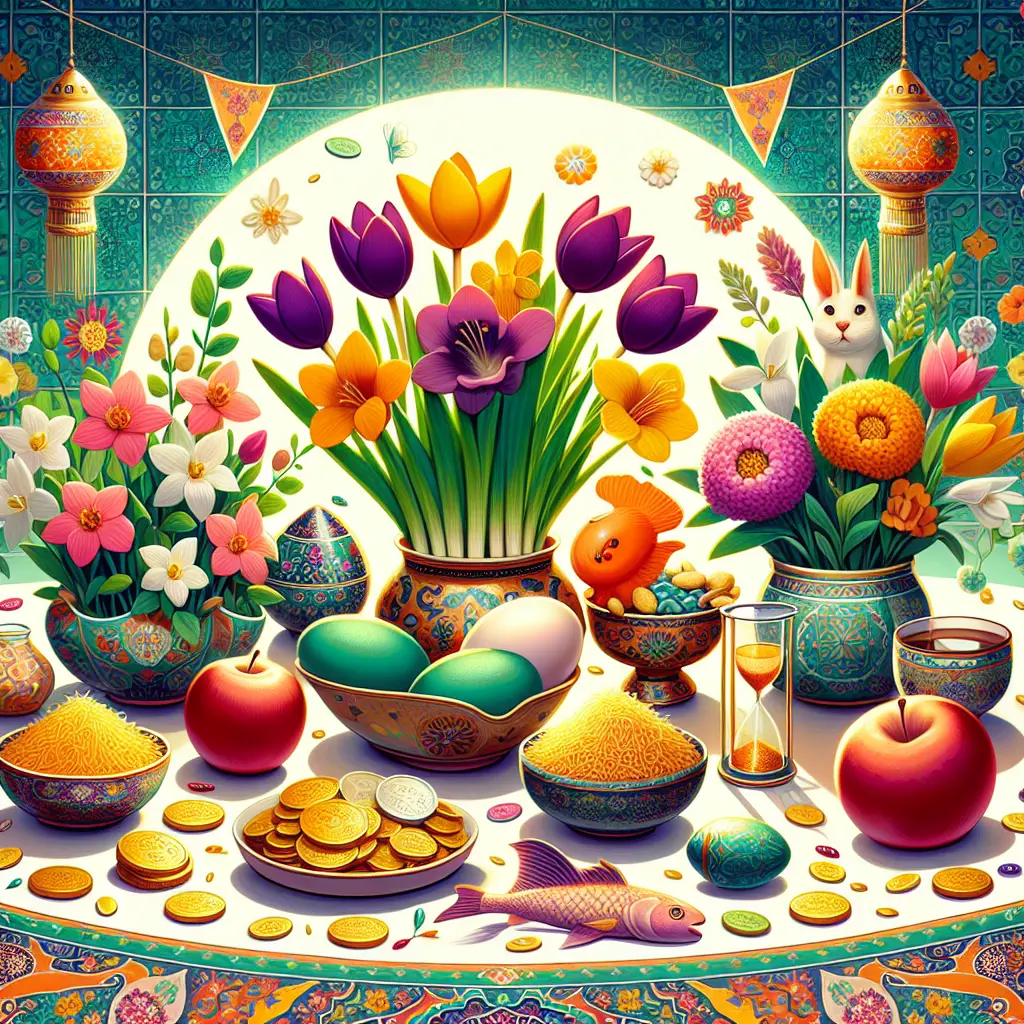
- Recognize the symbolism of the Haft-Seen items (sabzeh, samanu, seer, seeb, somaq, serkeh, and senjed) and what they represent for renewal, health, and prosperity.
- Explore how Nowruz is celebrated across Iran, neighboring regions, and the diaspora, and its basis in the vernal equinox within the Persian solar calendar.
❓ Frequently Asked Questions
What is Nowruz?
Nowruz, the Persian New Year, is an ancient festival marking spring’s arrival and the start of the Persian calendar year, celebrated for over 3,000 years.
When does Nowruz begin and how long is the celebration?
It begins at the vernal (spring) equinox, usually March 20 or 21, and the festive period lasts about 13 days with family gatherings and rituals.
What is Haft-Seen?
Haft-Seen is a traditional Nowruz table with seven items beginning with the Persian letter 'S', symbolizing renewal (e.g., sabzeh, samanu, seer). Variations exist.
Why is Nowruz important?
It symbolizes renewal, hope, and the rejuvenation of nature, marking the new year and fostering family bonds and cultural heritage.
Which regions celebrate Nowruz?
Nowruz is observed across Iran and neighboring regions, including Afghanistan and parts of Central Asia, as well as by Persian-speaking communities worldwide.