Nowruz Haft-Seen is a traditional table setting displayed during the Persian New Year, celebrated at the start of spring. The Haft-Seen table features seven symbolic items, each beginning with the Persian letter “S,” such as sabzeh (sprouts), samanu (sweet pudding), and senjed (dried fruit), representing renewal, health, and prosperity. Families decorate the table with additional items like candles, mirrors, and colored eggs to welcome the new year and celebrate nature’s rebirth.
Nowruz Haft-Seen
Nowruz Haft-Seen is a traditional table setting displayed during the Persian New Year, celebrated at the start of spring. The Haft-Seen table features seven symbolic items, each beginning with the Persian letter “S,” such as sabzeh (sprouts), samanu (sweet pudding), and senjed (dried fruit), representing renewal, health, and prosperity. Families decorate the table with additional items like candles, mirrors, and colored eggs to welcome the new year and celebrate nature’s rebirth.
💡 Key Takeaways
- Explain what Haft-Seen is and how it relates to Nowruz.
- List the seven 'Seen' items (sabzeh, seeb, seer, senjed, somaq, serkeh, sekkeh) and what each symbolizes.
- Describe the significance of Nowruz as the Persian New Year occurring at the vernal equinox.
- Identify common traditions that accompany Haft-Seen during Nowruz, such as spring cleaning and family visits.
❓ Frequently Asked Questions
What is Haft-Seen and how does it relate to Nowruz?
Haft-Seen is a traditional Nowruz table with seven items that begin with the sound 'Se' in Persian. It accompanies the Persian New Year (Nowruz) celebrations during the vernal equinox to symbolize renewal and prosperity.
What are the seven Haft-Seen items and what does each symbolize?
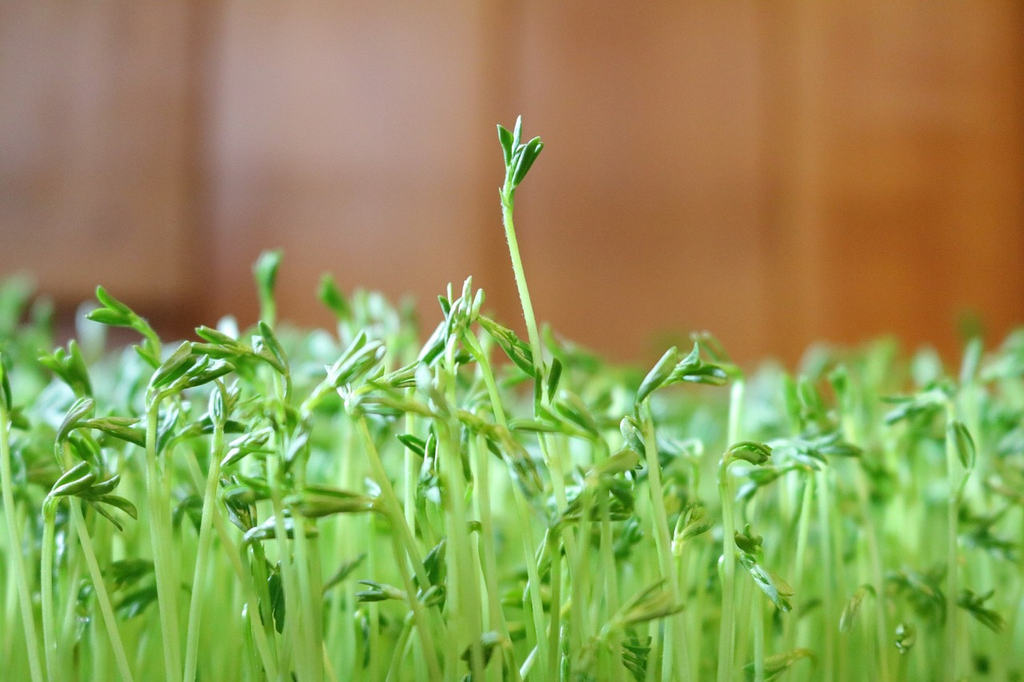
Sabzeh (sprouted greens) – rebirth; Samanu (sweet pudding) – sweetness and wealth; Seer (garlic) – health; Seeb (apple) – beauty; Senjed (dried oleaster fruit) – love; Somaq (sumac) – sunrise/fortune; Serkeh (vinegar) – patience and aging.
Can families add items beyond the seven Haft-Seen items?
Yes. Many households include extras like hyacinth (Sonbol), coins for wealth, painted eggs, or a mirror and candles, but the core Haft-Seen remains seven items.
When is Nowruz celebrated and how long is Haft-Seen displayed?
Nowruz marks the vernal equinox (around March 20–21). The Haft-Seen table is set for Nowruz and is typically displayed for about 13 days, ending with Sizdah Be-dar.