Nowruz, also known as the Persian New Year, is an ancient festival celebrated at the spring equinox, marking the beginning of the new year in the Iranian calendar. Rooted in Zoroastrian traditions, Nowruz symbolizes renewal, hope, and the rejuvenation of nature. Families gather to clean their homes, prepare festive meals, and set up a Haft-Seen table with symbolic items. The celebration fosters unity, joy, and cultural heritage across many countries in Central and Western Asia.
Nowruz (Persian New Year)
Nowruz, also known as the Persian New Year, is an ancient festival celebrated at the spring equinox, marking the beginning of the new year in the Iranian calendar. Rooted in Zoroastrian traditions, Nowruz symbolizes renewal, hope, and the rejuvenation of nature. Families gather to clean their homes, prepare festive meals, and set up a Haft-Seen table with symbolic items. The celebration fosters unity, joy, and cultural heritage across many countries in Central and Western Asia.
💡 Key Takeaways
- Learn that Nowruz occurs at the spring equinox and marks the start of the Iranian new year.
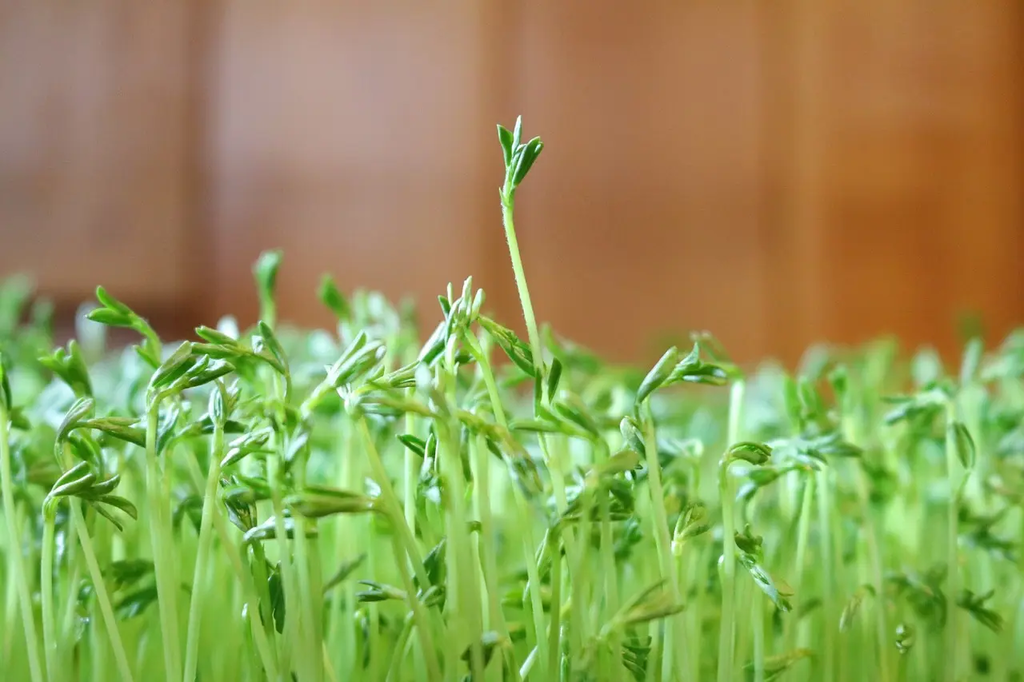
- Explore traditional customs such as spring cleaning (khaneh tekani) and setting up a Haft-Seen table with seven symbolic items like Sabzeh, Samanu, Seer (garlic), Senjed, Somaq, Seeb (apple) and Serkeh.
- Understand the meanings of Haft-Seen items and how they symbolize renewal, health, abundance, and hope for the year ahead.
- Identify related Nowruz celebrations such as Chaharshanbe Suri (fire festival) on the eve of Nowruz and Sizdah Bedar (the 13th day outdoors).
- Note the roots of Nowruz in Zoroastrian traditions and how it is celebrated by Iranian communities and diaspora worldwide.
❓ Frequently Asked Questions
What is Nowruz and when is it celebrated?
Nowruz is the Persian New Year, an ancient festival celebrated at the spring equinox to mark the start of the Iranian calendar year.
What are the origins and symbolism of Nowruz?
Nowruz is rooted in Zoroastrian traditions and symbolizes renewal, hope, and the rejuvenation of nature.
What is the Haft-Seen table and its meaning?
Haft-Seen is a decorative Nowruz display of seven items starting with the Persian letter seen, symbolizing renewal, health, prosperity, and growth.
What are common Nowruz customs beyond decorating the home?
People practice spring cleaning, visit relatives and friends, share special foods, and celebrate the outdoors on Sizdah Bedar (the 13th day) with picnics.