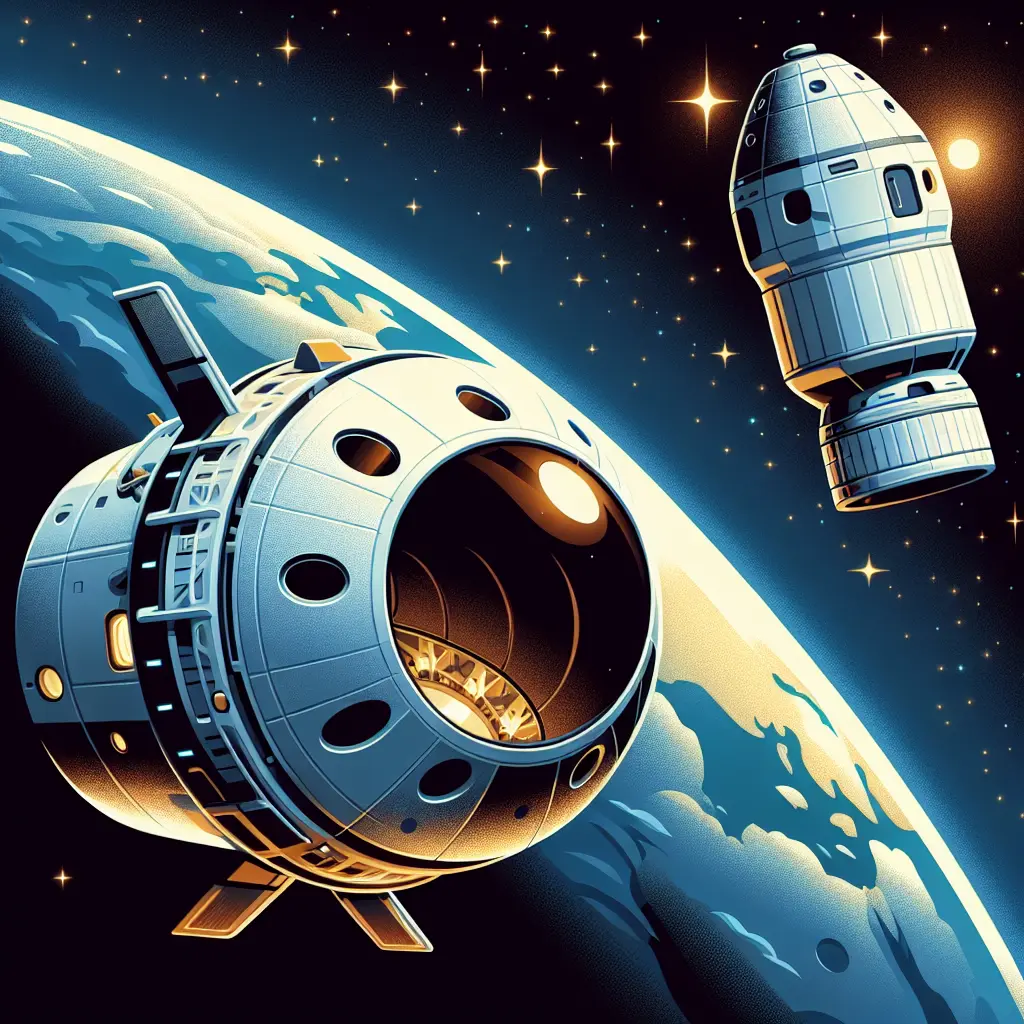
Nuclear thermal and electric propulsion concepts refer to advanced spacecraft propulsion systems that utilize nuclear energy. Nuclear thermal propulsion heats a propellant, such as hydrogen, using a nuclear reactor, then expels it to produce thrust, offering higher efficiency than chemical rockets. Nuclear electric propulsion generates electricity from a nuclear source to power electric thrusters, such as ion engines, enabling continuous, efficient thrust over long durations. Both concepts promise faster, more efficient space travel, especially for deep-space missions.
Nuclear Thermal and Electric Propulsion Concepts
Nuclear thermal and electric propulsion concepts refer to advanced spacecraft propulsion systems that utilize nuclear energy. Nuclear thermal propulsion heats a propellant, such as hydrogen, using a nuclear reactor, then expels it to produce thrust, offering higher efficiency than chemical rockets. Nuclear electric propulsion generates electricity from a nuclear source to power electric thrusters, such as ion engines, enabling continuous, efficient thrust over long durations. Both concepts promise faster, more efficient space travel, especially for deep-space missions.
💡 Key Takeaways
- Explain how a nuclear reactor heats hydrogen (or another propellant) in nuclear thermal propulsion to generate thrust and why it can be more efficient than chemical rockets.
- Differentiate nuclear thermal propulsion from nuclear electric propulsion and summarize how each uses nuclear energy to propel a spacecraft.
- Understand performance metrics like specific impulse and thrust, and identify mission profiles that benefit from nuclear propulsion.
- Discuss safety, regulatory, and practical challenges and considerations for deploying nuclear propulsion in American space exploration programs.
❓ Frequently Asked Questions
What is nuclear thermal propulsion?
A propulsion system that uses a nuclear reactor to heat a propellant (usually hydrogen) which is then expelled through a nozzle to produce thrust, offering higher efficiency than chemical rockets.
What is nuclear electric propulsion?
A propulsion method where a nuclear reactor generates electricity that powers electric thrusters (like ion or Hall-effect thrusters), which accelerate propellant to high speed to produce thrust.
How do NTP and NEP differ in energy conversion and thrust?
NTP uses reactor heat to directly heat the propellant for thrust; NEP uses reactor heat to generate electricity that powers electric thrusters. NTP typically provides higher thrust, while NEP can achieve very high specific impulse with lower thrust.
Why is hydrogen commonly used as the propellant in nuclear thermal propulsion?
Hydrogen has low molecular weight, which yields higher exhaust velocity and efficiency when heated, making it a favorable propellant for NTP.
What are typical mission benefits and challenges of nuclear propulsion for space exploration?
Benefits include higher efficiency and potentially shorter transit times for deep-space missions. Challenges involve safety, regulatory oversight, containment, and the infrastructure required to manage nuclear systems.