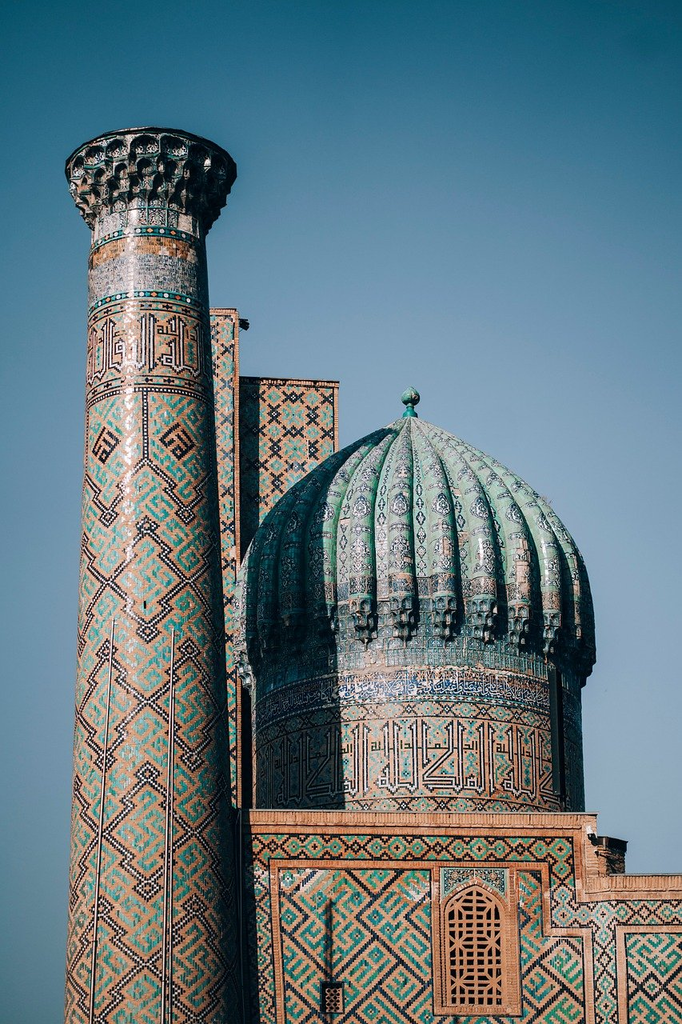
"Obscure Historical Cultures (Guess by Image)" refers to a game or activity where participants are shown images related to lesser-known or rarely discussed civilizations from history. The challenge is to identify these cultures based solely on visual clues such as artifacts, architecture, clothing, or art styles. This activity encourages learning about ancient societies that are not widely recognized, promoting curiosity and expanding knowledge beyond mainstream historical narratives.
Obscure Historical Cultures
"Obscure Historical Cultures (Guess by Image)" refers to a game or activity where participants are shown images related to lesser-known or rarely discussed civilizations from history. The challenge is to identify these cultures based solely on visual clues such as artifacts, architecture, clothing, or art styles. This activity encourages learning about ancient societies that are not widely recognized, promoting curiosity and expanding knowledge beyond mainstream historical narratives.

💡 Key Takeaways
- Identify several obscure historical cultures and where they thrived.
- Describe distinctive customs, daily life, and social structures of these cultures.
- Recognize the kinds of archaeological and textual evidence used to learn about them.
- Distinguish fact from legend and understand how these cultures influenced later civilizations.
❓ Frequently Asked Questions
What does 'obscure historical cultures' mean for this quiz?
Cultures that are lesser-known outside archaeology and history buffs; they’re usually smaller, regionally bounded, or have fewer surviving records compared with major empires.
What clues should you focus on to identify an obscure culture in the quiz?
Geography, time period, distinctive artifacts or architecture, burial practices, and whether the culture had writing or notable trade networks.
How can I tell the era (ancient vs. medieval) when answering questions?
Check the dates or era labels: ancient generally precedes the medieval period; BCE/CE ranges that fall far before medieval times indicate ancient, while roughly 5th–15th centuries point to medieval.
Can you name a few obscure cultures and where they were located?
Nok culture — West Africa (Nigeria), ca. 1500 BCE–500 CE; Vinča culture — Danube region (Southeast Europe), ca. 5700–4500 BCE; Jōmon culture — Japan, ca. 14,000 BCE–300 BCE; Tiwanaku — Andean highlands (Bolivia), ca. 400–1100 CE.