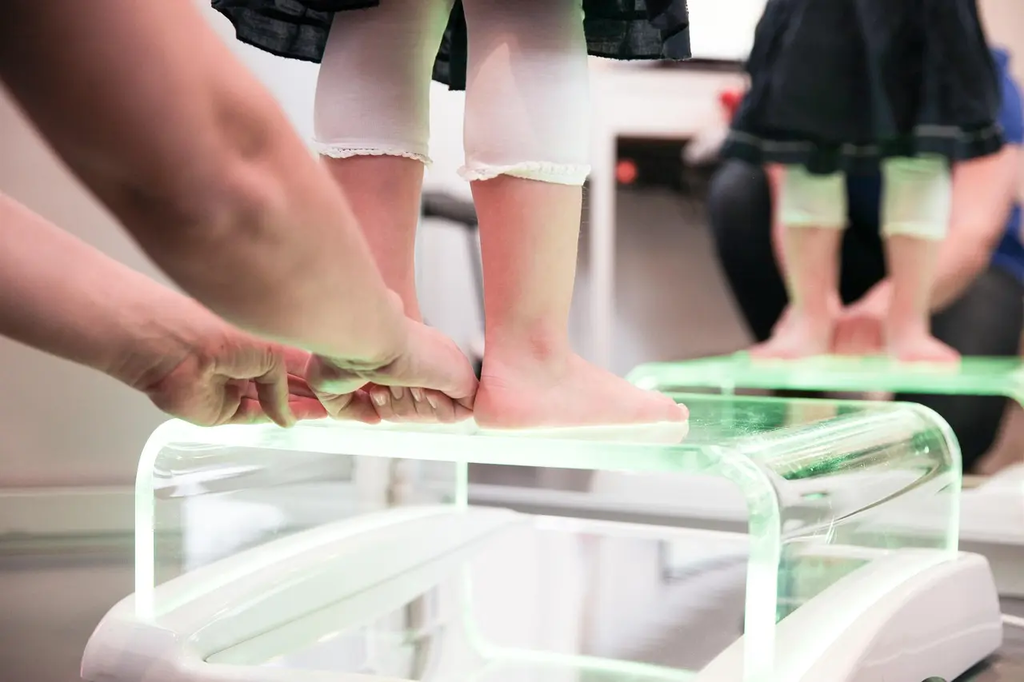
Occupational therapy for sensory and motor needs in children aged 0–10 years focuses on supporting development in areas such as movement, coordination, and sensory processing. Therapists use play-based activities to help children improve fine and gross motor skills, adapt to sensory challenges, and participate more fully in daily routines. This therapy promotes independence, enhances learning, and supports social and emotional growth during critical stages of child development.
Occupational therapy for sensory and motor needs
Occupational therapy for sensory and motor needs in children aged 0–10 years focuses on supporting development in areas such as movement, coordination, and sensory processing. Therapists use play-based activities to help children improve fine and gross motor skills, adapt to sensory challenges, and participate more fully in daily routines. This therapy promotes independence, enhances learning, and supports social and emotional growth during critical stages of child development.
💡 Key Takeaways
- Identify common sensory processing patterns and how they affect daily activities such as dressing, eating, and concentration.
- Explain how occupational therapy supports motor skills development, coordination, and motor planning for everyday tasks.
- Describe common assessment methods used to evaluate sensory and motor needs in children and adults.
- Apply practical OT strategies and activities to improve self-care, learning, and participation at home, school, or work.
❓ Frequently Asked Questions
What is occupational therapy (OT) and how does it relate to sensory and motor needs?
OT helps people participate in daily activities by improving sensory processing and motor skills through meaningful activities, adaptive equipment, and environmental changes. It supports regulation for sensory needs and coordination, strength, and dexterity for motor needs.
How can OT help with sensory processing and regulation?
OTs assess how sensations affect behavior and use strategies like sensory diets, graded exposure, and calming or alerting activities to improve regulation and participation.
Which motor skills are typically targeted by occupational therapy?
Fine motor skills (grasp, handwriting), gross motor skills (balance, coordination), motor planning (sequencing movements), and performance of everyday tasks.
Who can benefit from OT for sensory and motor needs?
Children with autism or developmental delays, sensory processing challenges, and adults recovering from injury or with conditions affecting coordination or sensation.
What common strategies or tools might an OT use for sensory and motor goals?
Sensory activities, deep pressure or proprioceptive input, fine- and gross-motor exercises, adaptive equipment, and environmental or routine modifications.