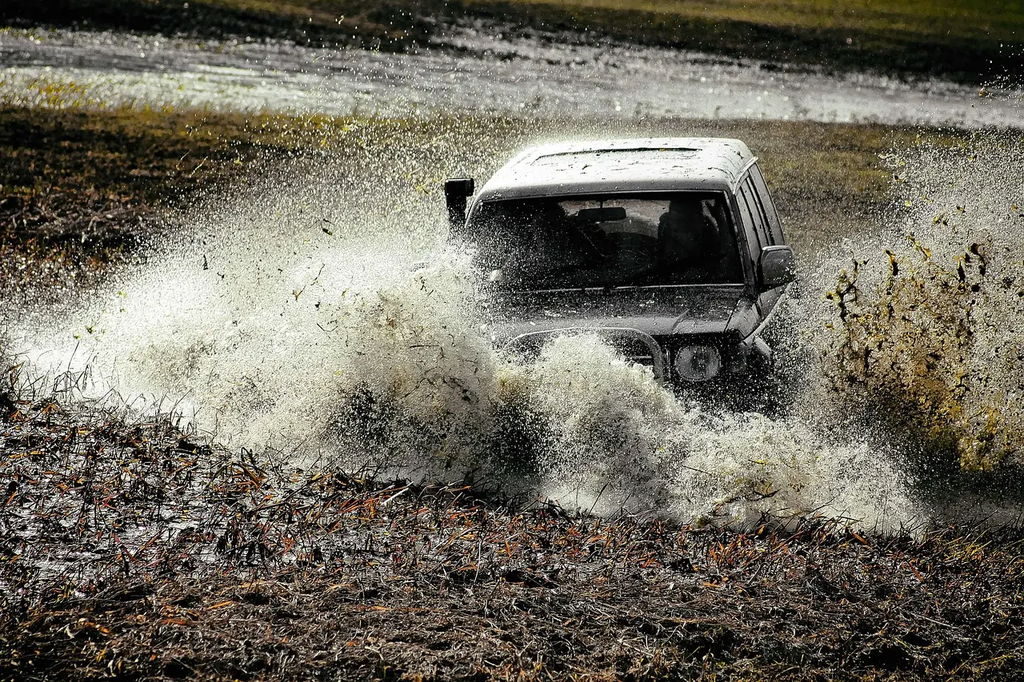
Off-road driving basics involve understanding how to navigate unpaved terrains such as dirt, mud, sand, or rocky trails using specialized vehicles. Key skills include selecting the right gear, maintaining steady speeds, and adjusting tire pressure for better traction. Drivers must learn to read the terrain, avoid obstacles, and use techniques like low-range gearing and controlled acceleration. Safety, vehicle maintenance, and respecting environmental guidelines are essential components of responsible off-road driving.
Off-Road Driving Basics
Off-road driving basics involve understanding how to navigate unpaved terrains such as dirt, mud, sand, or rocky trails using specialized vehicles. Key skills include selecting the right gear, maintaining steady speeds, and adjusting tire pressure for better traction. Drivers must learn to read the terrain, avoid obstacles, and use techniques like low-range gearing and controlled acceleration. Safety, vehicle maintenance, and respecting environmental guidelines are essential components of responsible off-road driving.
💡 Key Takeaways
- Identify terrain types (dirt, mud, sand, rocks) and how they affect traction.
- Select gear, throttle, and braking to maintain steady momentum and control.
- Adjust tire pressure for better grip on different surfaces.
- Read the terrain ahead to choose a safe line and anticipate obstacles.
❓ Frequently Asked Questions
Why should tire pressure be adjusted for off-road driving?
Lowering tire pressure increases the contact patch for better traction on soft surfaces like dirt or sand; avoid going too low to prevent bead damage, and re-inflate on hard surfaces.
How does gear selection help when off-road driving?
Use low-range gears to gain maximum torque and control at slow speeds, helping you crawl over obstacles without spinning the tires.
Why is terrain reading important before proceeding?
Observing ruts, rocks, moisture, and slopes helps you choose the safest line with the best grip and avoids hazards.
What is the benefit of keeping a steady throttle and speed?
A steady throttle reduces wheel spin and bouncing, helps tires grip, and maintains vehicle control over uneven surfaces.