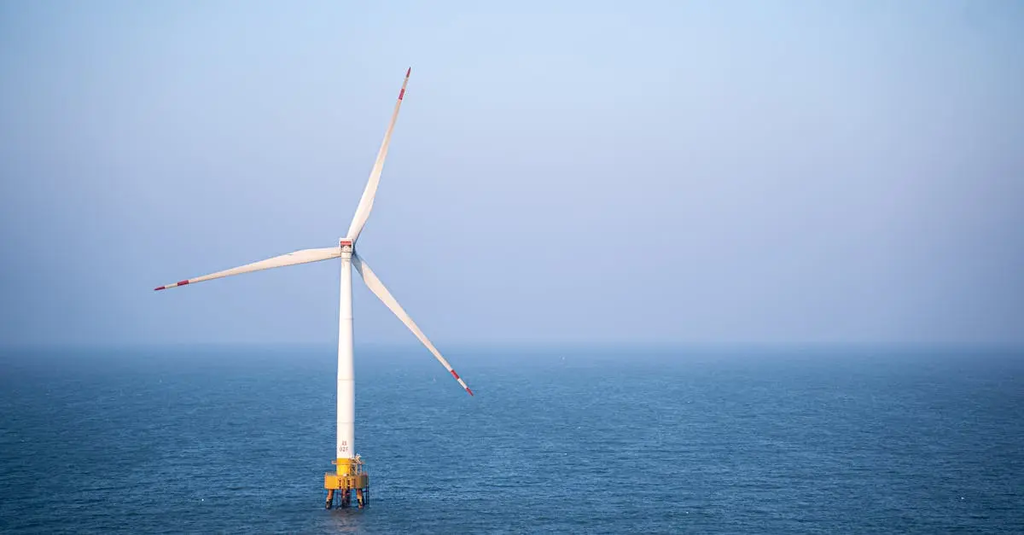
Offshore wind and marine energy refer to renewable energy sources harnessed from the ocean. Offshore wind utilizes turbines placed in bodies of water to capture wind energy, while marine energy involves generating power from ocean tides, waves, and currents. Both technologies offer significant potential for clean electricity production, reduce reliance on fossil fuels, and help combat climate change by tapping into abundant and sustainable energy resources found in marine environments.
Offshore Wind and Marine Energy
Offshore wind and marine energy refer to renewable energy sources harnessed from the ocean. Offshore wind utilizes turbines placed in bodies of water to capture wind energy, while marine energy involves generating power from ocean tides, waves, and currents. Both technologies offer significant potential for clean electricity production, reduce reliance on fossil fuels, and help combat climate change by tapping into abundant and sustainable energy resources found in marine environments.
💡 Key Takeaways
- Identify what offshore wind and marine energy are and what ocean resources they harness.
- Describe how offshore wind turbines capture wind energy and how tidal, wave, and current technologies convert ocean motion into electricity.
- Understand the environmental, economic, and grid-related benefits and challenges of deploying offshore wind and marine-energy projects.
- Explore current trends and future opportunities, including floating offshore wind and scalable marine-energy farms.
❓ Frequently Asked Questions
What is offshore wind energy?
Offshore wind energy uses turbines placed in the sea or ocean to capture wind and generate electricity. Benefits include stronger winds and less land use; challenges include higher costs and maintenance, plus potential effects on marine life.
What is marine energy and what sources does it include?
Marine energy is power generated from ocean tides, waves, and currents. It includes tidal stream turbines, wave energy converters, and devices that tap ocean currents.
How do offshore wind and marine energy support sustainability?
They provide clean electricity with little to no emissions during operation, helping diversify the energy mix and reduce fossil fuel use, though lifecycle impacts depend on manufacturing and end-of-life considerations.
What are common challenges to deploying offshore wind and marine energy?
High upfront costs, permitting and siting hurdles, environmental and wildlife considerations, maintenance in harsh marine conditions, and ensuring reliable grid connections.